ICC Deputy Chairman Imran Khwaja Asked to Convince Pakistan to Face India at T20 WC
ICC Deputy Chairman Imran Khwaja has been tasked with convincing Pakistan to play India at T20 WC 2026 amid boycott threats and diplomatic tensions.

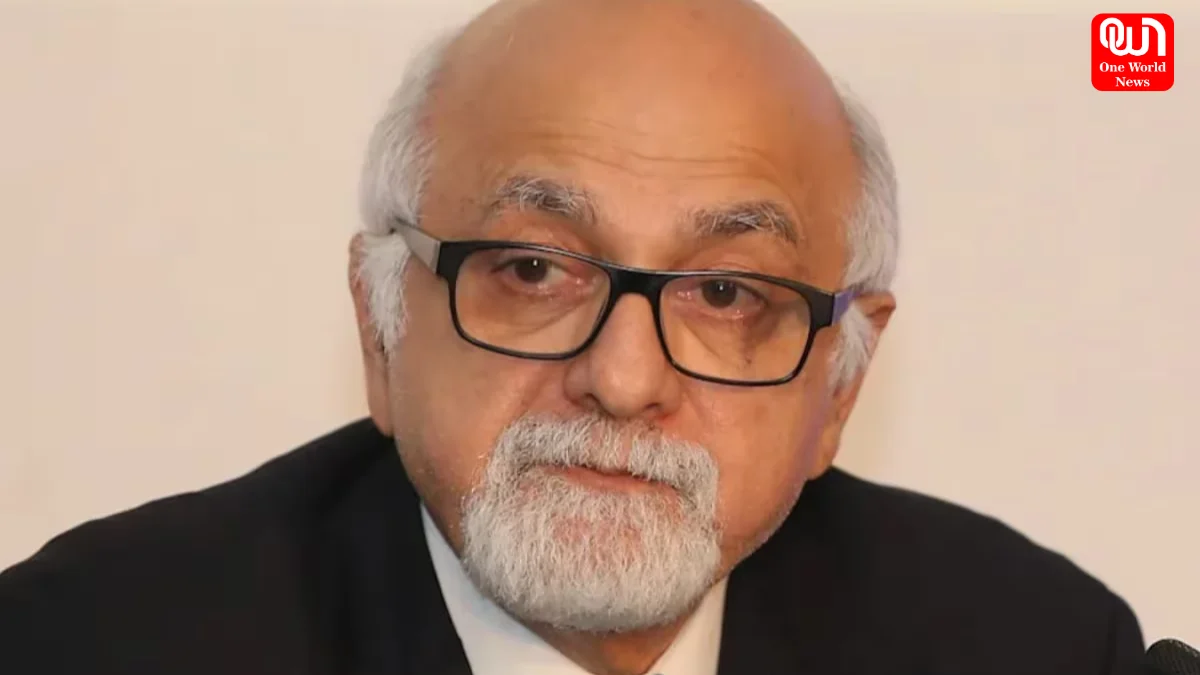
ICC Deputy Chairman Imran Khwaja Asked to Convince Pakistan to Play India at T20 World Cup Amid Standoff
In a dramatic development ahead of the ICC Men’s T20 World Cup 2026, the International Cricket Council (ICC) has reportedly asked ICC Deputy Chairman Imran Khwaja to step into back-channel talks to persuade the Pakistan Cricket Board (PCB) to play its highly anticipated group-stage match against India. The move comes as the tournament braces for one of the most politically charged moments in recent cricket history.
Read more: Sitharaman Cites Elon Musk Post, Slams Opposition on India’s GDP Role
A Historic Rivalry at Stake
India and Pakistan share one of the most intense and storied rivalries in international cricket. Matches between the two sides draw massive global audiences, generate significant commercial revenue, and are often described as fixtures that transcend sport. However, political tensions between the neighboring countries have repeatedly disrupted bilateral series and now threaten to impact the T20 World Cup as well.
Earlier this year, the Government of Pakistan announced that while it would allow its national team to participate in the T20 World Cup, it would boycott the scheduled February 15 group match against India — a marquee fixture traditionally guaranteed to attract huge fan and broadcaster interest. The Pakistan cricket team is currently slated to play its World Cup matches in neutral venues, including Sri Lanka.
Imran Khwaja’s Role as Peacemaker
Amid the growing controversy, reports indicate that the ICC has quietly assigned Imran Khwaja, its Deputy Chairman, to conduct discreet negotiations with the Pakistan Cricket Board. Khwaja, a seasoned cricket administrator from Singapore, is understood to be leading back-channel talks to convince the PCB to reconsider the boycott decision and honour the scheduled clash with India.
Khwaja’s task is delicate. He must balance diplomatic sensitivities, political directives, and the fundamental expectations of a global sporting event where every team is supposed to compete according to the published schedule. Sources suggest that the ICC hopes his efforts will help defuse the standoff and preserve one of the sport’s biggest fixtures.
Why the Boycott Decision Matters
Pakistan’s stated intention to boycott the India match has raised concerns across the cricketing world. According to reports, the PCB has not yet formally communicated its position to the ICC in writing, making the controversy more complex. Officials worry that selective participation could undermine the spirit of the tournament and even trigger legal challenges from stakeholders such as broadcasters, who depend on marquee matchups for significant revenue.
Should Pakistan follow through with the boycott, it would likely forfeit the points from the game and face other sporting and financial penalties. Beyond the immediate consequences, the situation has broader implications for cricket’s global ecosystem, where maintaining neutrality and strict adherence to tournament rules is critical.
Geopolitics and Cricket: A Continued Challenge
The controversy surrounding the potential India-Pakistan clash at the T20 World Cup is not occurring in isolation. It follows a series of geopolitical tensions that have spilled over into sports, including Bangladesh’s earlier refusal to play matches in India due to security concerns and subsequent replacement by Scotland in the World Cup schedule.
Cricket administrators have long grappled with the delicate intersection of sport and politics. While the ICC strives to operate as a neutral global body, member nations sometimes take positions that reflect broader diplomatic pressures. In this case, Pakistan’s stance is reportedly tied to political sensitivities following last year’s border conflict with India, further complicating efforts to keep international cricket celebrations free of external disputes.
ICC’s Position and Future Options
The ICC has publicly reaffirmed its commitment to a successful World Cup and has urged all member boards, including the PCB, to respect the tournament schedule. As a last resort, legal options and dispute mechanisms exist within the ICC’s governance structure, but officials hope that negotiations led by Imran Khwaja can find a mutually acceptable resolution before tensions escalate further.
With broadcasters and fans alike watching closely, the outcome of these negotiations could set a precedent for how cricket handles similar standoffs in the future. If Pakistan ultimately agrees to face India, it would preserve the traditional blockbuster match and potentially ease tensions within the game. If not, the T20 World Cup could proceed under unprecedented conditions, leaving administrators, players, and supporters to navigate a new chapter in cricket diplomacy.
Read more: US Trade Deal: India Gains Edge With 18% Tariff Over Pakistan, China, Bangladesh
What Fans and the Cricket World Are Watching
Fans around the world are following the saga with bated breath. Unlike most other matches in the tournament, an India-Pakistan game carries emotional weight far beyond points tables and rankings. Its potential cancellation would be one of the most remarkable moments in cricket history, underlining how political realities can sometimes overshadow even the most cherished sporting traditions.
As ICC Deputy Chairman Imran Khwaja continues his efforts, the cricket community remains hopeful that reason and negotiation will prevail. With just days left before the scheduled date of the match, all eyes are fixed on how this diplomatic innings will unfold.
We’re now on WhatsApp. Click to join.
Like this post?
Register at One World News to never miss out on videos, celeb interviews, and best reads.