Rotten Meat, Expired Milk: Food Safety Shocker As Taj, Radisson, Lalit Among Bengaluru’s 5-Star Hotels Raided
Bengaluru hotel hygiene under scrutiny as food safety teams inspect 26 hotels, find expired food and violations, with FSSAI action likely.

Rotten Meat, Expired Milk and Fungal Vegetables Found: Bengaluru Hotel Hygiene Under Scanner as Taj, Radisson and Lalit Face Food Safety Inspection
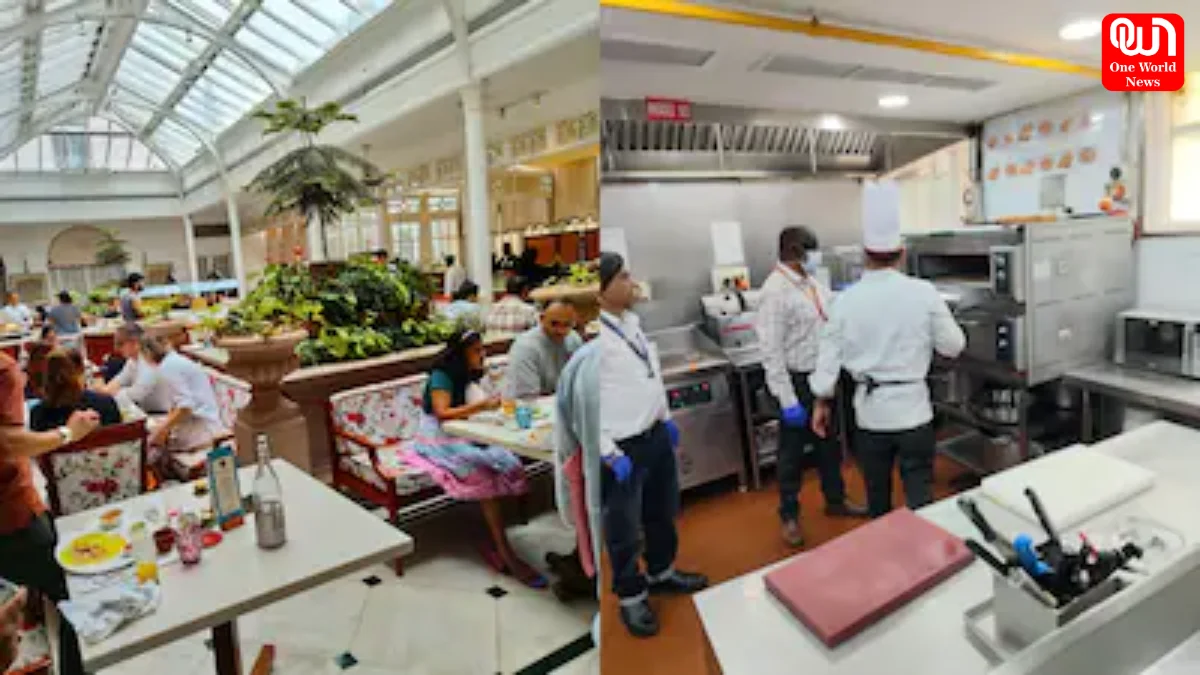
A major food safety inspection drive in Bengaluru has raised concerns about hygiene standards at some of the city’s premium hospitality establishments. On August 7, 2026, food safety officials inspected 26 three-star and five-star hotels across Bengaluru as part of a special enforcement drive.
According to reports from the Karnataka Health and Family Welfare Department, 30 inspection teams collected 35 food samples for laboratory testing. Officials also identified several violations, including expired food products, poor storage practices, fungal growth on vegetables, improper labelling and inadequate separation of vegetarian and non-vegetarian food.
The inspections have put Bengaluru hotel hygiene under renewed public attention, particularly because the drive covered high-end properties where customers generally expect stringent food-quality controls.
What Did Food Safety Officials Find?
The inspection reportedly uncovered a range of food-handling and storage problems. Officials found expired dairy products, bakery items, meat and vegetables stored at hotel premises. Some meat products were also reportedly found without labels complying with required food-safety standards.
Fungal growth on vegetables was another concern highlighted during the inspections. In addition, officials noted unhygienic conditions in some kitchens and food-storage areas, along with inadequate segregation between vegetarian and non-vegetarian food items.
Food samples collected for laboratory analysis included chicken, mutton, fish, milk, cheese, edible oil, tea powder, chilli powder, turmeric powder, sauces, spices and other food products. The laboratory results will help determine whether further enforcement action is necessary.
read more: Who Is Squadron Leader Bhawana Kanth? IAF’s First Woman Fighter Pilot To Become A ‘Top Gun’
Taj, Radisson and Lalit Among Hotels Under Scanner
The inspection drive involved several prominent luxury hotels in Bengaluru, bringing major hospitality names into the spotlight. Reports circulating around the inspection have specifically mentioned properties including Taj Yeshwantpur, Radisson Blu and The Lalit Ashok, among other star-rated establishments.
However, it is important to distinguish between being inspected and being found guilty of every alleged violation. The official reports confirm that inspections took place across 26 hotels and that violations were identified, but further action against individual establishments can depend on the evidence collected and laboratory test results.
This distinction is important because a hotel inspection is designed to identify possible non-compliance and initiate corrective or legal procedures where required.
Why Expired Food and Poor Storage Are Serious Concerns
Expired food can become a significant food-safety concern, particularly when perishable products such as milk, meat and vegetables are involved. Poor temperature control, cross-contamination and improper storage can increase the risk of foodborne illness.
In a large hotel kitchen, food moves through several stages—from procurement and refrigeration to preparation, cooking and serving. Each stage requires appropriate controls. Proper labelling and stock rotation are therefore essential for preventing expired products from entering food preparation.
The Bengaluru inspection also highlighted the importance of keeping vegetarian and non-vegetarian ingredients appropriately separated. Such practices are central to maintaining hygienic food-handling systems.
FSSAI Rules and Possible Action
The Food Safety and Standards Authority of India (FSSAI) establishes standards and regulatory requirements covering food businesses in India. The current enforcement drive is being carried out under the Food Safety and Standards Act, 2006, and associated regulations.
Officials have issued notices to the concerned Food Business Operators following the violations. Adjudication proceedings are expected under the law, while additional action will depend on laboratory findings and the nature of the violations detected.
The development demonstrates that FSSAI compliance is not limited to small restaurants or street-food businesses. Large hotels and hospitality chains are also subject to inspections and enforcement.
Karnataka Steps Up Food Safety Monitoring
The latest inspections come amid growing public concern about food quality and hygiene in Karnataka. The state Health and Family Welfare Department constituted special teams following complaints regarding poor food quality, unhygienic practices and alleged substandard food at various establishments.
The government had also undertaken enforcement activity previously, including inspections under initiatives focused on food safety and consumer protection.
For Bengaluru residents and visitors, the latest food violations serve as a reminder that attractive interiors, premium pricing and five-star branding do not replace the need for strong kitchen hygiene and food-safety systems.
read more: NEET Paper Leak Was ‘Multi-State Criminal Conspiracy’, 3 NTA Experts Among Accused: CBI Chargesheet
What Happens Next?
The immediate focus will now be on the laboratory analysis of the 35 collected samples and the regulatory proceedings initiated against establishments where violations were identified. Authorities have stated that further legal action will depend on the inspection findings, test results and applicable provisions of the Food Safety and Standards Act.
The Bengaluru crackdown highlights an important message for the hospitality industry: food safety must remain a priority at every level, regardless of whether an establishment is a small eatery or a luxury hotel. Regular inspections, proper storage, accurate labelling, hygienic kitchens and strict stock-rotation procedures are essential for protecting consumers and maintaining confidence in Bengaluru’s hospitality sector.
We’re now on WhatsApp. Click to join.
Like this post?
Register at One World News to never miss out on videos, celeb interviews, and best reads.