AAP Faces Its Toughest Test After Raghav Chadha Split: Inside Delhi Durbar Power Struggles
AAP Faces Its Toughest Test After Raghav Chadha Split as Delhi politics shifts. Inside crisis, defections, and future of Kejriwal’s party.

AAP Faces Its Toughest Test After Raghav Chadha Split — Inside Delhi Durbar, Power Shifts, Political Crisis & What Lies Ahead
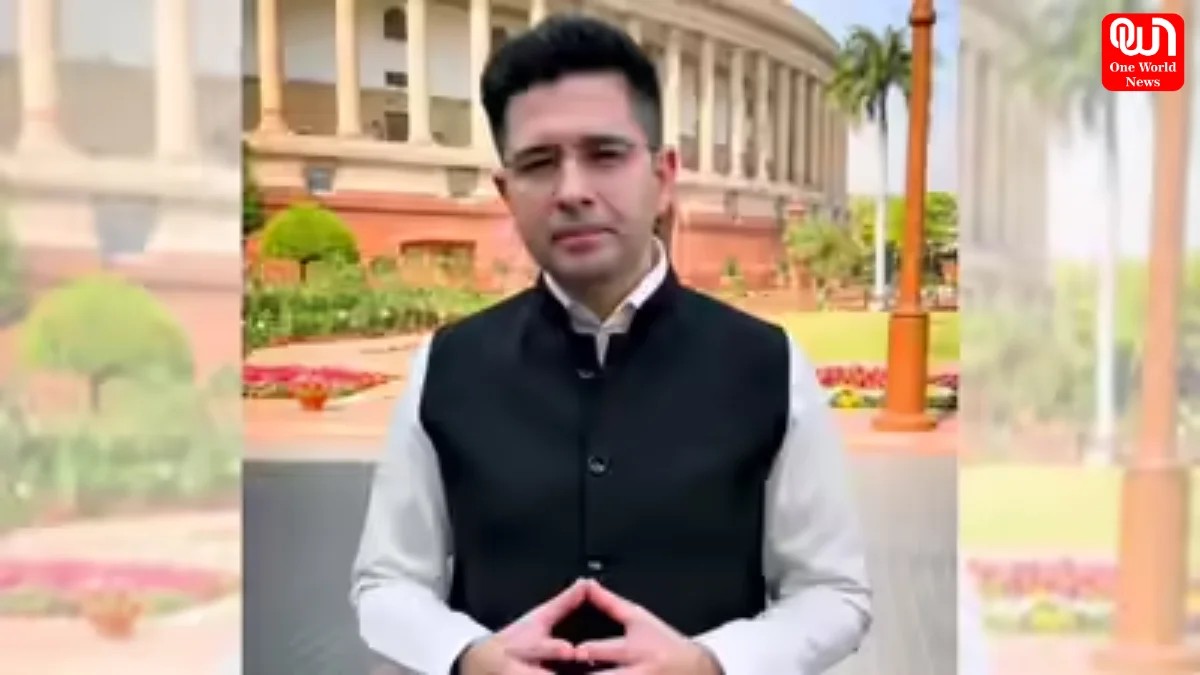
The corridors of Delhi’s political power—often referred to as the “Delhi Durbar”—are once again buzzing with uncertainty. The dramatic exit of Raghav Chadha from the Aam Aadmi Party (AAP) has triggered one of the most serious internal crises the party has faced since its inception.
What makes this moment particularly critical is not just the departure of a prominent face, but the scale and timing of the split. Chadha’s exit, along with multiple Rajya Sabha MPs, has shaken the party’s parliamentary strength and exposed deep fractures within its leadership.
A Split That Was Brewing for Months
The seeds of this political rupture were sown long before the final break. Reports suggest that tensions between Chadha and the AAP leadership had been simmering for months. His absence during key political moments and perceived ideological differences hinted that all was not well.
When Chadha finally announced his departure—criticizing the party for drifting away from its founding principles—it confirmed what insiders had long suspected: this was not a sudden rebellion, but a calculated exit rooted in deeper disagreements.
The Numbers Game: A Blow to AAP
Politics is ultimately about numbers, and this split has dealt a severe numerical blow to AAP. The party’s strength in the Rajya Sabha has dropped drastically, while the ruling alliance has gained ground.
But the impact goes beyond Parliament. The exit of multiple leaders signals a broader crisis of confidence within the party. It raises uncomfortable questions:
- Is AAP losing its core leadership base?
- Has internal dissent reached a tipping point?
- Can the party maintain unity ahead of future elections?
These are no longer theoretical concerns—they are immediate political realities.
Read more: Had Didi Given Money…’: Accused Shows No Remorse After Raping, Murdering IRS Officer Daughter
Arvind Kejriwal Under Pressure
At the center of this storm is Arvind Kejriwal, the face of AAP and its chief strategist. Already weakened by electoral setbacks in Delhi, Kejriwal now faces perhaps his toughest leadership test yet.
The timing couldn’t be worse. With crucial elections looming in states like Punjab, Gujarat, and Goa, the party’s internal instability threatens to derail its expansion plans.
Critics argue that repeated high-profile exits point to deeper structural issues within AAP—particularly around leadership style and decision-making. Supporters, however, see this as a temporary phase and believe the party can rebuild.
BJP’s Gain, AAP’s Pain
The political beneficiary of this crisis appears to be the Bharatiya Janata Party (BJP), which has not only gained numbers in Parliament but also a strategic advantage in narrative-building.
AAP leaders have accused the BJP of orchestrating defections through political pressure, while the BJP has dismissed these claims as baseless.
Regardless of the accusations, the optics are clear: a divided opposition strengthens the ruling party’s position, both inside Parliament and in public perception.
A Pattern of Exits?
Chadha’s departure is not an isolated incident. Over the years, AAP has seen several founding members and senior leaders exit the party. This recurring trend has fueled a growing narrative—that the party struggles to retain its top talent.
For a party that once positioned itself as a fresh alternative to traditional politics, this raises a critical question: can it sustain its original promise of transparency and internal democracy?
The Road Ahead: Survival or Reinvention?
AAP now stands at a crossroads. The current crisis could either weaken the party irreversibly or force it to reinvent itself.
To navigate this moment, the party will need to:
- Rebuild internal trust and leadership cohesion
- Strengthen its grassroots connect in Delhi
- Reframe its political narrative amid growing criticism
Most importantly, it must convince voters that it remains a credible alternative in India’s evolving political landscape.
Read more: Political Roundup: West Bengal Elections Witness Record Voter Turnout Amid Intense TMC vs BJP Battle
Conclusion
The exit of Raghav Chadha has done more than just reduce AAP’s numbers—it has exposed the fault lines within the party’s structure and leadership.
As Delhi’s political theatre unfolds, one thing is clear: AAP faces its toughest test yet. Whether it emerges stronger or weaker will depend on how effectively it addresses the crisis within its own ranks.
In the high-stakes world of Delhi Durbar, survival is never guaranteed—and reinvention is often the only way forward.
We’re now on WhatsApp. Click to join.
Like this post?
Register at One World News to never miss out on videos, celeb interviews, and best reads.