Japan Dolls Festival: Celebrating Girls, Heritage, and Hope
Japan Dolls Festival, celebrated on March 3, honors girls’ happiness and health through traditional dolls, rituals, and cultural heritage.

Japan Dolls Festival: History, Traditions, and Meaning Behind Hinamatsuri Celebrations
The Japan Dolls Festival, also known as Hinamatsuri, is celebrated every year on March 3, marking a special day dedicated to the happiness, health, and well-being of young girls. Rooted deeply in Japanese tradition, the festival combines cultural symbolism, family rituals, and centuries-old beliefs that continue to shape its modern celebrations.
Unlike loud or public festivals, the Japan Dolls Festival is a quiet, graceful observance that takes place primarily in homes, reflecting Japan’s emphasis on family, tradition, and seasonal harmony.
Origins of the Japan Dolls Festival
The origins of the Japan Dolls Festival can be traced back over a thousand years to Japan’s Heian period. During this time, people believed that misfortune and evil spirits could be transferred to objects. Paper dolls were used in purification rituals, symbolically absorbing illness or bad luck before being discarded into rivers.
Over time, these purification practices evolved into the display of ornamental dolls, giving rise to the tradition of Hinamatsuri. What began as a spiritual ritual gradually became a cultural celebration centered on girls and their future.
The Meaning Behind the Dolls
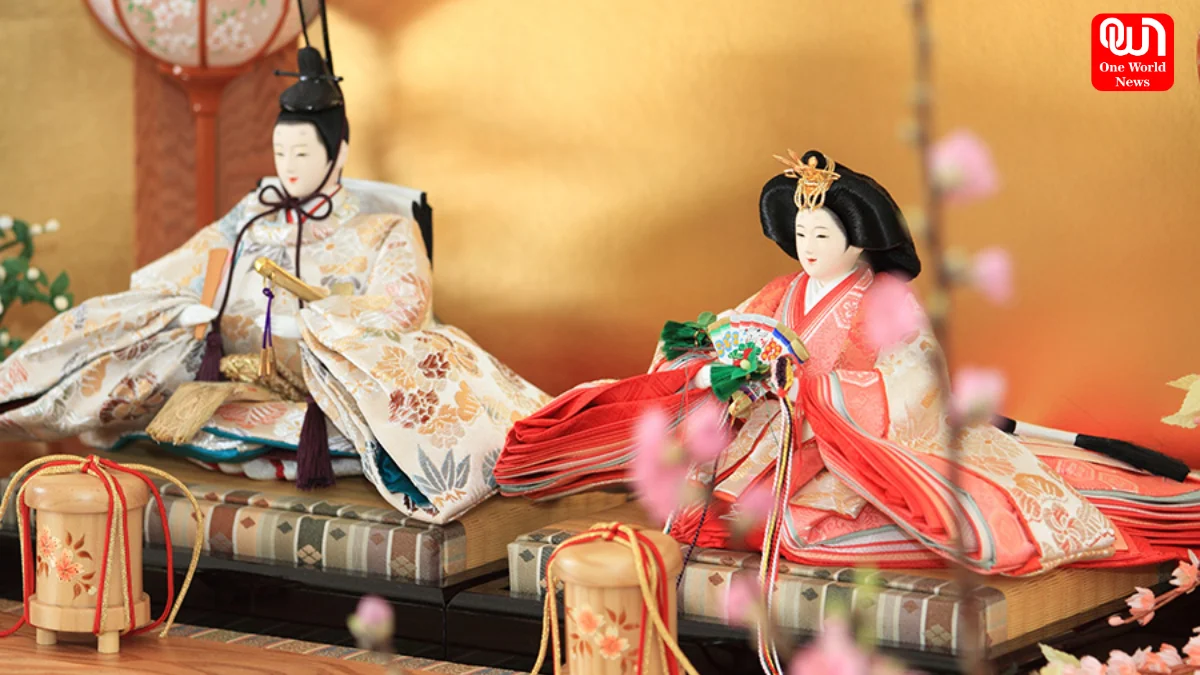
At the heart of the Japan Dolls Festival is the hina doll display, which represents the imperial court of ancient Japan. These dolls are typically arranged on a red, tiered platform, with the emperor and empress placed at the top, followed by attendants, musicians, and guards.
Read more: Janhvi Kapoor Birthday 2026: A Star Who Found Her Own Path
Each doll is dressed in elaborate traditional clothing, reflecting historical court attire. Beyond their beauty, the dolls carry symbolic meaning. Families believe the dolls protect girls by absorbing misfortune and bringing blessings of health, happiness, and successful marriages.
Because of this symbolism, the dolls are handled with great care and respect.
Family Traditions and Customs
In households with daughters, the Japan Dolls Festival is marked by careful preparation. Families set up the hina dolls weeks in advance and gather on March 3 to celebrate together. Special foods are prepared, including colorful rice crackers, sweet rice wine, and chirashi sushi.
Girls often dress in traditional kimono for the occasion, reinforcing their connection to Japanese heritage. Parents and grandparents use the day to pass down stories, values, and cultural knowledge, making the festival an intergenerational experience.
Cultural Significance in Modern Japan
While Japan has modernized rapidly, the Japan Dolls Festival remains an important cultural event. Even families without elaborate doll sets may acknowledge the day through simple decorations, sweets, or school activities.
The festival emphasizes values such as care, protection, and hope for the next generation. It also highlights the seasonal transition toward spring, aligning with Japan’s broader tradition of celebrating nature’s cycles.
In schools and communities, Hinamatsuri is often used as a way to teach children about cultural identity and history.
Why the Dolls Are Put Away Quickly
One unique tradition associated with the Japan Dolls Festival is the belief that hina dolls should be put away immediately after March 3. According to folklore, leaving the dolls out too long may delay a girl’s future marriage.
While most modern families view this as a symbolic superstition rather than a literal belief, the practice reinforces the importance of timing, order, and respect within Japanese culture.
Global Awareness of the Festival
As interest in Japanese culture has grown worldwide, the Japan Dolls Festival has gained international recognition. Museums, cultural centers, and Japanese communities abroad often host exhibitions and educational events to showcase hina dolls and explain their significance.
These efforts help preserve the tradition while introducing it to new audiences, ensuring that the festival remains relevant beyond Japan’s borders.
More Than a Celebration for Girls
Although the Japan Dolls Festival is often called Girls’ Day, its deeper meaning extends beyond gender. It represents parental love, cultural continuity, and the desire to protect children from harm.
Read more: Bigg Boss OTT Canceled: Here’s Why the Hindi Version May Not Return
The festival serves as a reminder of the importance of tradition in shaping identity and values in an ever-changing world.
Looking Ahead
In modern Japan, the Japan Dolls Festival continues to evolve while maintaining its core traditions. Whether celebrated with an elaborate doll display or a simple family meal, the festival remains a meaningful expression of hope and care.
By honoring both history and family bonds, the Japan Dolls Festival stands as a beautiful example of how cultural traditions endure — quietly, gracefully, and with lasting significance.
We’re now on WhatsApp. Click to join.
Like this post?
Register at One World News to never miss out on videos, celeb interviews, and best reads.