One Constitution Bill, Written Guarantee For 50% Seat Hike: How Govt Plans To Unlock Women’s Quota
Constitution Amendment Bills propose a 50% seat hike to unlock women reservation in Parliament, Lok Sabha seats and state assemblies.

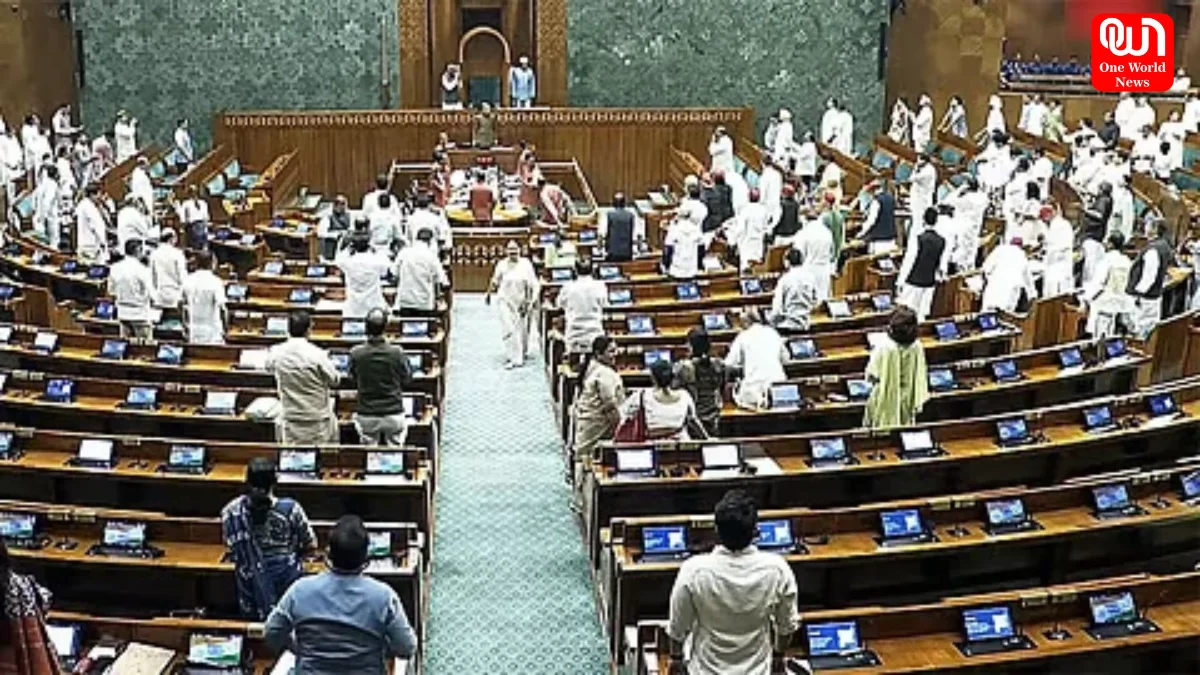
One Constitution Amendment Bill, Written Guarantee For 50% Seat Hike: How Govt Plans To Unlock Women’s Quota, Expand Lok Sabha Seats and Reshape Parliament Through Delimitation Commission, Census Data, State Assemblies and Union Territories
India’s political landscape could be heading towards a major transformation as the Central Government prepares a fresh constitutional proposal to accelerate women’s representation in Parliament and state legislatures. The latest move involves a new Constitution Amendment Bill that promises a 50% increase in legislative seats across states and Union Territories, creating a pathway for implementing the long-awaited women’s reservation.
The Union Cabinet has cleared the Constitution (One Hundred and Thirty-Second Amendment) Bill, 2026, ahead of a special Parliament session beginning November 30. The proposal comes after an earlier legislative attempt failed to secure the required two-thirds majority in the Lok Sabha in April 2026.
This time, the government is attempting to address concerns about regional representation by providing a written guarantee of a uniform 50% increase in seats. The proposal aims to connect delimitation with the implementation of 33% reservation for women.
What Is the New Constitution Amendment Bill?
The proposed constitutional amendment is designed to make women’s reservation operational sooner rather than waiting for a lengthy census and delimitation process.
Under the existing Nari Shakti Vandan Adhiniyam, passed in 2023, one-third of seats in the Lok Sabha and state legislative assemblies are reserved for women. However, its implementation is linked to a future Census and the subsequent delimitation exercise.
The new proposal seeks to change this timeline by connecting the reservation mechanism with an expanded legislative structure.
The government plans to increase the maximum strength of the Lok Sabha to 850 members, including 815 representatives from states and 35 from Union Territories.
Similarly, the maximum strength of state legislative assemblies is proposed to increase from 500 to 650 members.
The objective is to create additional seats while ensuring that women receive their constitutionally intended share of representation.
Why Is the Government Promising a 50% Increase in Seats?
One of the biggest concerns surrounding delimitation has been its potential impact on the political balance between different states.
Several political parties, particularly those representing southern states, have raised concerns that population-based delimitation could change their relative representation in Parliament.
To address these objections, the government has proposed a uniform 50% increase in the number of seats allocated to every state and Union Territory.
This means the existing inter-state proportion of Lok Sabha representation is intended to remain protected while the total number of seats increases.
The written provision is significant because it attempts to offer reassurance that states will not lose their relative political importance simply because of the expansion.
The proposal also aims to make the implementation of women’s reservation more acceptable across India’s diverse political and geographical regions.
How Will the Delimitation Commission Work?
The Delimitation Commission will play a central role in implementing the proposed changes.
Delimitation refers to the process of redrawing electoral constituency boundaries and adjusting legislative representation. It helps ensure that constituencies are organised according to population figures and constitutional requirements.
Under the proposed framework, the government intends to establish a Delimitation Commission to undertake the exercise.
Its responsibilities will include:
-
Reviewing and reorganising Lok Sabha constituencies.
-
Redrawing boundaries of state assembly constituencies.
-
Allocating additional seats to states and Union Territories.
-
Identifying constituencies reserved for women.
-
Ensuring representation for women belonging to Scheduled Castes and Scheduled Tribes.
The Commission will also determine how seats reserved for women will rotate between constituencies.
This makes the Delimitation Commission an important institution in translating the constitutional promise of women’s reservation into actual electoral representation.
What Role Will Census Data Play?
Census data remains an important component of India’s delimitation process.
Under the latest proposal, constituency boundaries will be determined using the latest published Census figures available when the proposed legislation commences. Reports indicate that the exercise is expected to use the 2011 Census figures for constituency demarcation.
However, the proposal also seeks to protect the existing inter-state distribution of Lok Sabha seats by providing for a 50% increase across states and Union Territories.
The proposed constitutional changes would also extend the freeze on the allocation of Lok Sabha seats between states until the relevant figures of the first Census conducted after 2051 are published.
This distinction is important because the allocation of seats between states and the drawing of individual constituency boundaries are two separate aspects of delimitation.
How Will Women Reservation Benefit State Assemblies and Union Territories?
The proposed changes are not limited to the Lok Sabha.
Women reservation is also expected to cover state assemblies and eligible Union Territory legislatures, including Delhi, Puducherry and Jammu and Kashmir.
With a proposed 50% increase in legislative seats, more opportunities could become available for women to contest elections and participate in decision-making.
The 33% reservation will include seats for women from Scheduled Castes and Scheduled Tribes within the constitutional framework.
If implemented successfully, the changes could encourage greater participation of women in policymaking, governance, education, employment and social development.
It could also strengthen women’s political leadership at the grassroots and national levels.
What Is Expected During the Upcoming Parliament Session?
The upcoming Parliament session will be crucial for the government’s legislative plans.
The Lok Sabha is scheduled to meet on November 30, while the Rajya Sabha is scheduled to meet on December 2.
The government will need to secure the constitutionally required special majority for the amendment. Constitutional amendments affecting specified federal provisions may also require ratification by at least half of the state legislatures.
The earlier Constitution (131st Amendment) Bill failed in April 2026 after receiving 298 votes in favour and 230 against, falling short of the required two-thirds majority.
The revised proposal attempts to address some of the concerns raised during that debate. However, its final passage will depend on parliamentary support and the subsequent constitutional process.
Conclusion
The new Constitution Amendment Bill represents an important development in India’s debate over women’s political representation and electoral reforms.
Read more: DMK Support for Delimitation Bill: MK Stalin’s Key Demands Accepted by Union Government
By proposing a 50% increase in legislative seats, protecting the existing inter-state representation ratio and establishing a fresh delimitation framework, the government is attempting to find a way forward for implementing women’s reservation.
However, the proposal is not yet law. Its success will depend on parliamentary approval, constitutional ratification where required and the completion of the delimitation process.
If passed and implemented, the changes could reshape India’s legislative structure and create more opportunities for women to participate in the country’s democratic institutions.
We’re now on WhatsApp. Click to join.
Like this post?
Register at One World News to never miss out on videos, celeb interviews, and best reads