
Fresh Trouble For Bisleri: FSSAI Seeks Prosecution After Coliform Bacteria Found In Bengal Water Sample
FSSAI seeks prosecution against Bisleri International after coliform bacteria are found in a West Bengal plant's packaged drinking water sample.

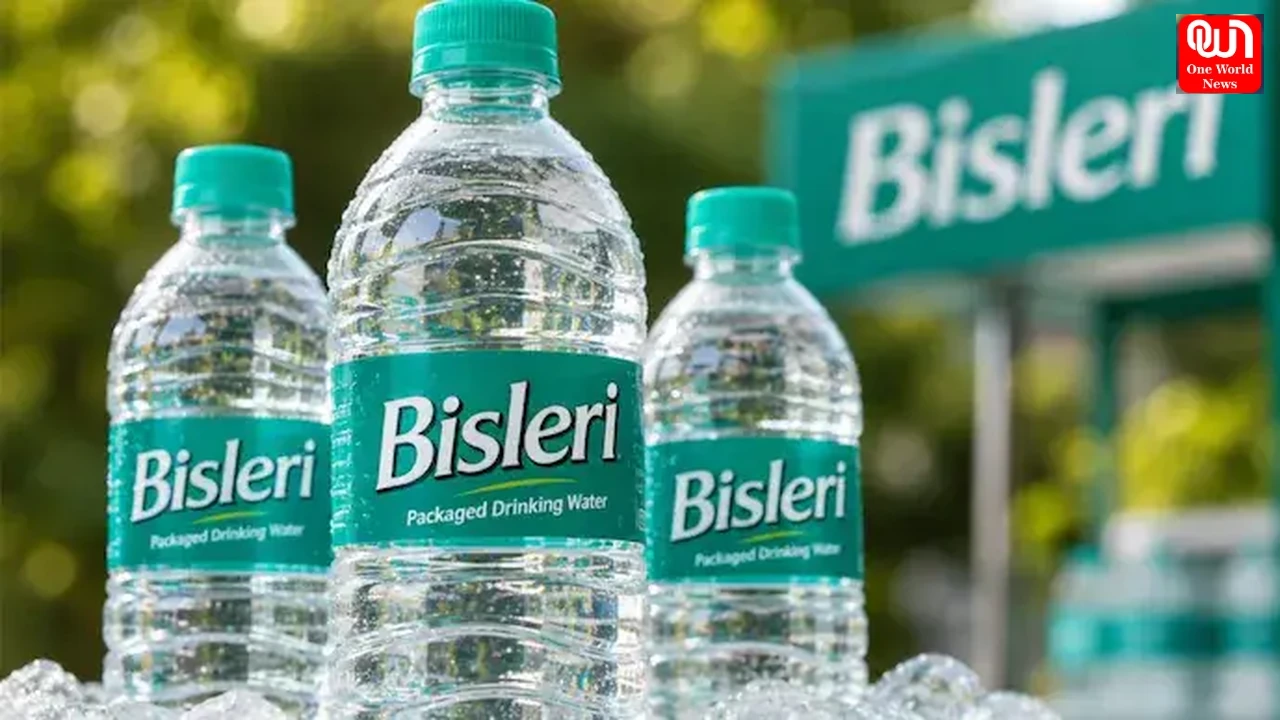
Fresh Trouble For Bisleri International as FSSAI Seeks Food Safety Prosecution After Coliform Bacteria Detection at West Bengal Plant, Raising Serious Water Safety Concerns
India’s packaged drinking water industry is facing renewed attention after the Food Safety and Standards Authority of India (FSSAI) sanctioned prosecution against Bisleri International following the detection of coliform bacteria in a water sample collected from its West Bengal manufacturing facility. The latest development has raised concerns about packaged drinking water quality, manufacturing standards and consumer safety.
According to reports published on November 28, 2026, the sample was collected from Bisleri’s manufacturing plant in Telipara village, located in Jalpaiguri district of West Bengal. Laboratory investigations confirmed the presence of coliform bacteria, leading the food regulator to initiate legal proceedings against the company under food safety regulations.
The development represents another significant regulatory challenge for Bisleri International, one of India’s most recognised bottled water brands.
Coliform Bacteria Detected In West Bengal Plant Sample
The primary laboratory and referral food laboratory both confirmed the presence of coliform bacteria in the packaged drinking water sample collected from the West Bengal plant.
Coliform bacteria are microorganisms commonly used as indicators of possible contamination in water. Their presence can point towards problems in water treatment, sanitation, storage or distribution systems. Contamination may occur through sewage leakage, damaged pipelines or inadequate hygiene controls during manufacturing.
For consumers, such findings are particularly concerning because packaged drinking water is generally purchased with the expectation that it meets established quality and safety requirements.
Under FSSAI’s microbiological standards for packaged drinking water, coliform bacteria must be absent in the prescribed 250 ml testing sample. Therefore, the detection of these microorganisms can indicate non-compliance with mandatory water safety requirements.
FSSAI Prohibits Sales Of A Specific Water Batch
Following the laboratory findings, the food regulator prohibited the sale of a specific batch of Bisleri packaged drinking water identified by batch number PB 201.
The restriction was imposed on August 12, 2026, after the initial testing raised concerns about the product’s safety. Subsequent confirmation from the referral laboratory strengthened the regulatory case.
FSSAI has now granted sanction for prosecution against Bisleri International for the alleged violation of food safety requirements under the Food Safety and Standards Act, 2006.
It is important to note that the regulatory action relates to the identified batch and does not establish that every Bisleri product or bottle available in the market is contaminated.
Second Prosecution Case Raises Questions About Water Safety
The West Bengal development comes shortly after another prosecution action involving a Bisleri manufacturing facility in Goa.
In the earlier case, a packaged drinking water sample reportedly failed to meet the prescribed bromate limits. According to the regulator, further examination by a referral food laboratory also detected polynuclear aromatic hydrocarbons (PAHs), and the sample was declared unsafe.
Read more; Black Roses And Gold Drama: Madhuri Dixit Just Gave Eveningwear A New Mood
These developments have brought Bisleri International under increased regulatory scrutiny.
However, the company has maintained that its packaged drinking water is safe for consumption. In its response to the earlier Goa case, Bisleri said that the matter concerned a specific production batch and highlighted differences between government laboratory findings and independent testing results.
In the West Bengal case, Bisleri said the affected batch had been recalled as instructed, acknowledged the government laboratory findings and stated that independent tests had produced different results. The company also indicated that it would cooperate with the regulator.
Why Coliform Bacteria Detection Is A Serious Concern
Water safety is an essential public health requirement. Coliform bacteria are important indicators because their presence can suggest contamination somewhere in the production or handling process.
Consumers generally cannot identify microbiological contamination through the appearance, smell or taste of water. A bottle may look completely normal while laboratory testing reveals a potential safety issue.
This is why regular testing, hygienic manufacturing facilities, properly maintained filtration systems and secure packaging procedures are essential for every packaged drinking water manufacturer.
The latest findings also highlight the importance of independent laboratory testing and effective quality monitoring throughout the production chain.
FSSAI Strengthens Monitoring Of Packaged Drinking Water
The food regulator has reportedly expanded surveillance of packaged drinking water and mineral water brands across India. Authorities are collecting samples from different manufacturers and increasing inspections to identify possible quality violations.
The objective is to ensure that companies follow established food safety standards and that consumers receive products meeting prescribed requirements.
The regulator’s actions also highlight the importance of monitoring smaller manufacturers and businesses using packaging or branding that resembles established water brands.
What Should Consumers Keep In Mind?
Consumers should purchase packaged drinking water from reliable retailers and check the manufacturing date, batch number, seal integrity and product labelling before buying a bottle.
They should avoid purchasing damaged, leaking or tampered bottles and follow official advisories concerning specific affected batches.
The latest FSSAI action should not create unnecessary panic about all bottled water products. Instead, it reinforces the importance of transparency, accountability and consistent quality testing.
Read more: Not Your Average Pantsuit: Kriti Sanon Gives Black-And-White Dressing A Gold Rush
Conclusion: A Wake-Up Call For The Packaged Drinking Water Industry
The latest prosecution proceedings against Bisleri International underline the growing importance of strict regulatory oversight in India’s packaged drinking water sector.
With coliform bacteria confirmed in a sample from its West Bengal plant and an earlier Goa case also attracting regulatory action, the company faces serious questions about quality compliance.
For the industry, the message is clear: water safety cannot be compromised. Manufacturers must maintain rigorous quality controls, while the food regulator must continue monitoring products to protect public health and consumer confidence.
We’re now on WhatsApp. Click to join.
Like this post?
Register at One World News to never miss out on videos, celeb interviews, and best reads