
‘Safety A Priority’: Bisleri International Says It Will Continue To Cooperate With FSSAI After Packaged Drinking Water Sample Flagged Unsafe Over Bromate Levels
Bisleri International responds to FSSAI action after unsafe water sample flagged bromate levels, raising concerns over food safety standards in India.

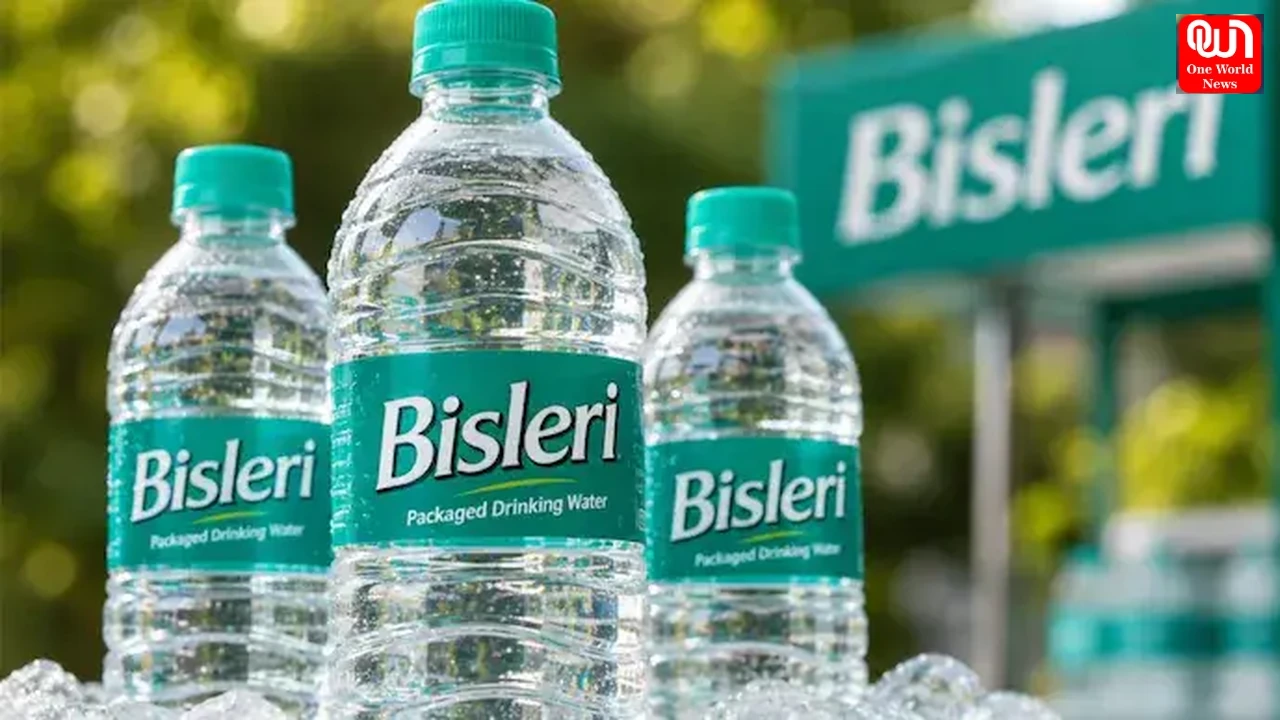
Safety A Priority’: Bisleri International To Cooperate With FSSAI After Water Sample Flagged Unsafe
Bisleri International has responded to concerns surrounding the safety of its packaged drinking water after the Food Safety and Standards Authority of India (FSSAI) sanctioned prosecution against the company over a water sample declared unsafe during laboratory testing. The company has reiterated that drinking water safety remains a priority and assured consumers that it will continue cooperating with the regulatory authority to address the matter through the appropriate process.
The development has brought renewed attention to food safety standards in India’s packaged drinking water industry, particularly regarding chemical contamination and the quality checks followed by major bottled water manufacturers.
The regulatory action follows laboratory findings that identified concerns involving bromate levels and polynuclear aromatic hydrocarbons (PAHs) in a sample collected from Bisleri’s manufacturing facility in Goa.
Why Has FSSAI Taken Regulatory Action Against Bisleri International?
According to the FSSAI, a regulatory sample of packaged drinking water was collected from the premises of Bisleri International Pvt. Ltd. for laboratory examination.
The initial laboratory analysis found that the sample did not comply with the prescribed bromate limits. Consequently, it was declared unsafe under the Food Safety and Standards Act, 2006.
Following the company’s appeal against the initial findings, the sample was forwarded to a referral food laboratory for further examination. The second laboratory also declared the sample unsafe after detecting polynuclear aromatic hydrocarbons (PAHs).
Based on these findings, FSSAI sanctioned prosecution against Bisleri International for violations related to unsafe food.
The action has raised questions about water quality monitoring, manufacturing practices and the importance of maintaining strict food safety standards across the packaged drinking water sector.
Industry News – Business Standard+2
Bisleri Says Drinking Water Safety Remains Its Priority
Responding to the regulatory development, Bisleri International maintained that its products remain safe for consumption and highlighted the quality control measures followed during manufacturing.
The company stated that it follows stringent quality checks, including more than 90 tests across its 10-step manufacturing process.
Bisleri also clarified that the matter relates to a particular batch manufactured in September 2025 at its Goa manufacturing facility.
In its statement, the company emphasised that it would continue to cooperate with FSSAI and address the concerns through the appropriate regulatory process.
The company’s response comes amid growing consumer attention towards packaged drinking water quality and the reliability of laboratory testing procedures.
What Happened During The Testing Of Bisleri’s Water Sample?
Bisleri provided additional details about the testing process and explained that the matter dates back to September 30, 2025.
According to the company, FSSAI collected six samples from its Goa manufacturing facility. Initial laboratory testing found that five samples complied with the applicable standards.
However, the sixth sample recorded bromate levels of 12 micrograms per litre, compared with the prescribed maximum limit of 10 micrograms per litre.
Following the initial findings, Bisleri filed an appeal on November 22, 2025. The sample was subsequently sent to a referral laboratory for additional testing.
Bisleri stated that the referral laboratory found bromate levels within the prescribed limit but separately identified PAHs in the sample.
The company said these differing findings raised questions that required clarification. It also arranged independent testing of the same sample at an FSSAI-approved laboratory, which reportedly found bromate levels within the permissible limit.
Bisleri further stated that it submitted the independent laboratory results to FSSAI’s Western Regional Office on February 2, 2026. The company claimed that it had received no further communication following that submission and believed the matter had been closed.
The Tribune+2
Understanding Bromate Levels And Their Impact On Water Safety
Bromate is a chemical compound that can form as a by-product during certain water disinfection processes, particularly when ozone treatment is used.
Its presence in drinking water is closely monitored because excessive exposure can create potential health concerns. This is why food safety authorities prescribe specific limits for bromate in packaged drinking water.
In the present case, the initial finding of 12 micrograms per litre exceeded the prescribed limit of 10 micrograms per litre.
Apart from bromate, the referral laboratory reportedly detected polynuclear aromatic hydrocarbons (PAHs). Certain PAHs are recognised as potentially harmful substances, with some associated with carcinogenic risks.
The findings highlight why packaged drinking water manufacturers must follow established testing procedures and maintain consistent quality control throughout production.
Growing Regulatory Scrutiny Of The Packaged Drinking Water Industry
The development involving Bisleri International comes at a time when food safety authorities are increasing their scrutiny of food and beverage manufacturers.
Packaged drinking water is an essential consumer product, with millions of people depending on bottled water for daily consumption, particularly while travelling and in areas where access to safe drinking water remains a concern.
Regulatory monitoring plays an important role in ensuring that manufacturers follow prescribed food safety standards. Regular sampling, laboratory examinations and manufacturing inspections help identify possible quality concerns before they create wider public health risks.
The FSSAI’s action also highlights the importance of accountability among established brands operating in India’s packaged drinking water market.
For manufacturers, maintaining quality is not limited to meeting production targets. It also requires transparent testing procedures, accurate reporting and timely corrective action whenever a sample fails to meet regulatory requirements.
What Does The FSSAI Action Mean For Bisleri?
The sanction for prosecution represents a significant regulatory development for Bisleri International. However, it is important to understand that sanctioning prosecution does not mean the company has been convicted.
The matter will proceed through the appropriate legal and regulatory process, where the findings and the company’s submissions can be examined.
Bisleri has maintained its position regarding the independent test results and reiterated its commitment to cooperating with the authorities.
The development is also likely to encourage consumers to pay closer attention to packaged drinking water quality and the safety standards followed by manufacturers.
Conclusion
The Bisleri-FSSAI development has once again highlighted the importance of food safety and strict quality monitoring in India’s packaged drinking water industry.
Read more: Manipur Liquor Tragedy: 16 Dead, Over 370 Hospitalised After Consuming Suspected Spurious Alcohol
While Bisleri International has defended its quality control procedures and disputed aspects of the laboratory findings, FSSAI has maintained its position that the sample was unsafe and sanctioned prosecution.
Going forward, the regulatory process will be important in establishing the findings and addressing the differences between the laboratory results. For consumers, the incident reinforces the importance of reliable testing, transparent manufacturing practices and strong water safety regulations.
Ultimately, maintaining consumer confidence requires continuous cooperation between manufacturers and regulatory authorities, with public health and food safety standards remaining the highest priorities.
We’re now on WhatsApp. Click to join.
Like this post?
Register at One World News to never miss out on videos, celeb interviews, and best reads.