EPFO New Rules 2026: Members Can Withdraw Up to 90% of PF Savings; Waiting Period Reduced to 2 Months
EPFO new rules allow 90% PF withdrawal, cut the unemployment waiting period to 2 months and introduce new retirement payout options.

EPFO new rules allow 90% PF withdrawal, cut the unemployment waiting period to 2 months and introduce new retirement payout options.
In a major relief for salaried employees across India, the Employees’ Provident Fund Organisation (EPFO) has approved significant changes to its provident fund withdrawal rules. The latest announcement, made on November 19, 2026, brings greater financial flexibility to millions of EPF subscribers. Under the revised framework, eligible members may be able to withdraw up to 90% of their Provident Fund savings, while the waiting period for final PF withdrawal after unemployment has been reduced from 12 months to just 2 months.
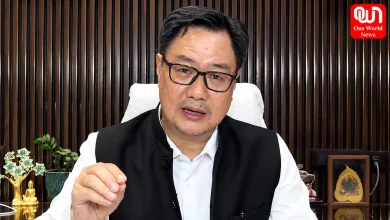
The decisions were taken during the 240th meeting of the Central Board of Trustees (CBT), chaired by Union Labour and Employment Minister Mansukh Mandaviya. Along with easier withdrawals, the board also approved a Systematic Withdrawal Plan (SWP), allowing retiring employees to receive their PF savings in regular instalments.
These developments could significantly influence Personal Finance decisions and Retirement Planning for working professionals.
1. EPFO Approves Withdrawal of Up to 90% of PF Savings
One of the biggest announcements concerns the minimum balance that EPF members must maintain in their accounts. Previously, members were required to retain at least 25% of their provident fund contributions as a minimum balance.
Under the newly approved changes, this requirement has been reduced to 10%. Consequently, eligible members can withdraw up to 90% of their accumulated PF balance instead of the earlier 75% limit.
This decision provides employees with greater access to their savings during financial emergencies, medical expenses, education requirements and other important financial commitments.
However, retaining 10% of the balance is intended to protect long-term retirement savings. Members should carefully consider their future financial requirements before making large withdrawals.
2. EPF Withdrawal Waiting Period Reduced From 12 Months to 2 Months
Another important development is the reduction in the waiting period for final EPF withdrawal after unemployment.
Previously, changes introduced in October 2025 extended the waiting period for complete PF settlement after job loss from two months to 12 months. This created difficulties for employees who needed immediate access to their accumulated savings after losing their jobs.
Now, the EPFO board has approved restoring the two-month waiting period.
This means eligible employees who remain unemployed for two months can apply for final settlement of their provident fund savings, subject to applicable rules and formal notification.
The decision is expected to provide financial support to employees dealing with job losses, career transitions and unexpected employment disruptions.
It is important to note that the minimum waiting period for final pension withdrawal under the Employees’ Pension Scheme remains 36 months.
3. EPF UPI Withdrawal: What Members Should Know
Digital services are becoming increasingly important in India’s financial ecosystem. EPF UPI withdrawal has also attracted attention among subscribers looking for faster and more convenient access to their provident fund savings.
However, the latest November 2026 announcements primarily concern withdrawal limits, minimum balance requirements and retirement payouts. The approval of these changes should not be confused with a separate confirmation that PF withdrawals through UPI have become operational.
EPFO has been working towards improving its digital infrastructure through centralised systems and automated claim processing.
Members should continue using official EPFO services and verified digital channels to check their balances, submit claims and monitor withdrawal applications.
4. New Systematic Withdrawal Plan for Retired Employees
The introduction of a Systematic Withdrawal Plan is another significant development for retirement planning.
Under this facility, retiring EPF members will be able to receive their accumulated provident fund savings in instalments rather than withdrawing the entire amount at once.
The proposed arrangement includes periodic payouts such as:
- Monthly withdrawals.
- Quarterly withdrawals.
- Half-yearly withdrawals.
The remaining PF balance will continue generating interest according to applicable EPF rates, helping members maintain a source of income after retirement.
This voluntary facility is designed to provide retirees with greater control over their retirement corpus while reducing the need to reinvest a large lump-sum amount elsewhere.
The necessary amendments to the Employees’ Provident Fund Scheme will be notified after the required approvals.
5. How Will the New EPFO Rules Benefit Employees?
The revised rules could benefit employees in several ways:
Better Financial Flexibility: Members will have access to a larger portion of their eligible PF savings when facing financial difficulties.
Faster Access After Job Loss: Reducing the waiting period to two months can help unemployed employees manage household expenses while searching for new employment.
Improved Retirement Income: The SWP facility will provide an option to receive retirement savings periodically.
Better Financial Management: Employees can balance immediate financial needs with long-term retirement security.
Simplified Digital Services: EPFO’s ongoing digital transformation aims to improve claim processing and reduce unnecessary delays.
6. What Should EPF Members Do Next?
Employees should regularly check their EPF passbooks, verify their Universal Account Number (UAN), update their KYC details and ensure that their bank account information is accurate.
They should also understand the difference between partial withdrawal, final PF settlement and pension withdrawal before submitting an application.
Although the Central Board of Trustees has approved these important changes, the required amendments and official notifications will determine their implementation.
Therefore, subscribers should follow announcements from the EPFO and the Labour Ministry before making financial decisions based on the revised provisions.
Read more: Islam May Become the World’s Largest Religion by 2035, Says New Pew Research Study
Conclusion
The latest EPFO new rules mark an important development for salaried employees and retirees in India. Increasing the potential PF withdrawal limit to 90%, reducing the unemployment-related waiting period from 12 months to 2 months and introducing a Systematic Withdrawal Plan could make provident fund savings more accessible and flexible.
For millions of Employees’ Provident Fund subscribers, these changes offer additional financial support during employment transitions and retirement. However, maintaining a healthy retirement corpus remains essential. Employees should use their Provident Fund savings wisely and balance immediate financial requirements with their long-term financial security.
We’re now on WhatsApp. Click to join.
Like this post?
Register at One World News to never miss out on videos, celeb interviews, and best reads.