Rahul Gandhi Calls India a ‘Side Player’ as Pakistan Negotiates US-Iran Peace Talks: Questions Raised Over India Foreign Policy, Narendra Modi and BJP Criticism
Rahul Gandhi questions India foreign policy as Pakistan mediates US-Iran negotiations, sparking BJP criticism over India's global diplomatic role.

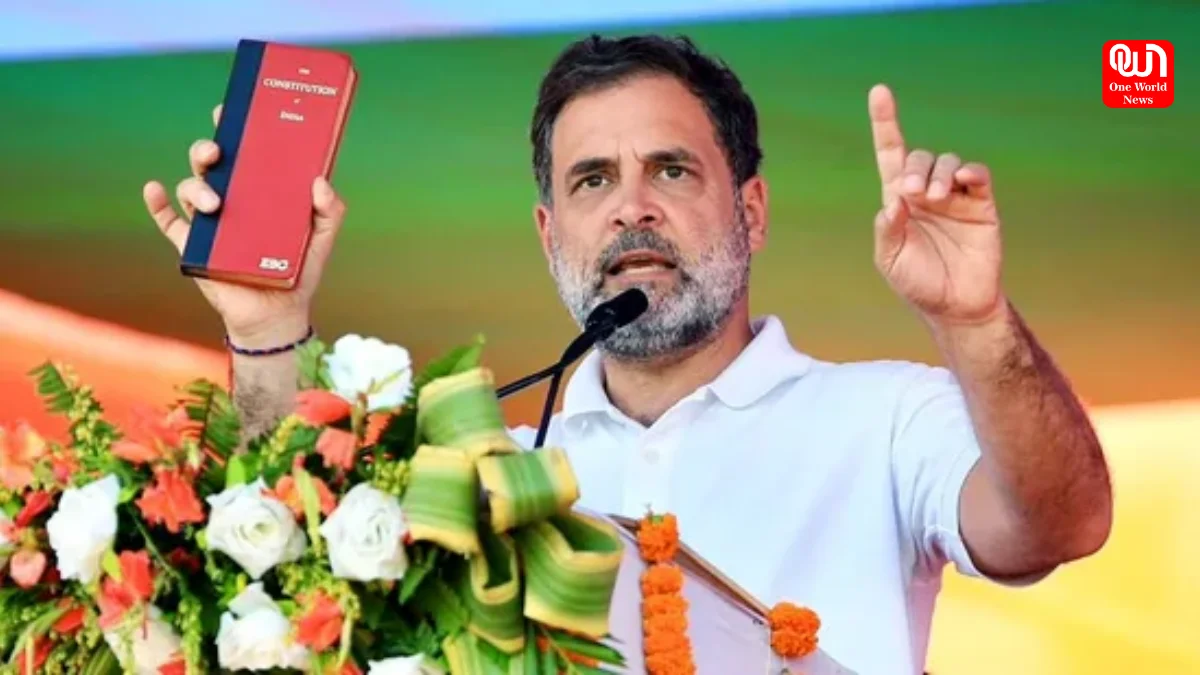
‘Just A Side Player’: Rahul Gandhi Says India Is ‘Looking’ As Pakistan Negotiates US-Iran War, Raises Questions Over Modi Government’s Foreign Policy
India’s position in international diplomacy has become a fresh subject of political debate after Congress leader and Leader of the Opposition Rahul Gandhi described the country as a “side player” in global affairs. Speaking during an interaction with students at the University of Chicago in the United States, Gandhi questioned why Pakistan was involved in negotiations between Washington and Tehran while India appeared to be watching developments from the sidelines.
His remarks have triggered a political confrontation between the Congress and the Bharatiya Janata Party (BJP), bringing India’s diplomatic strategy, international relationships and the government’s approach to global conflicts into focus.
Rahul Gandhi Questions India’s Role in US-Iran Negotiations
During his interaction at the University of Chicago, Rahul Gandhi expressed surprise over Pakistan’s involvement in diplomatic efforts concerning the United States and Iran. He argued that India, considering its geographical importance, economic strength and established relationships with major international powers, should have a more influential position in such discussions.
According to Gandhi, India has historically maintained relationships with countries including the United States, Iran and Russia. However, he believes the country is not using these diplomatic connections effectively to influence important global developments.
He suggested that India should actively participate in international conversations instead of remaining a spectator when major geopolitical decisions are being discussed.
The Congress leader’s comments have brought renewed attention to the US Iran negotiations and Pakistan’s emerging diplomatic role during the conflict.
India Foreign Policy: Gandhi Recalls the Legacy of the Non-Aligned Movement
While discussing India’s position in global affairs, Gandhi referred to the country’s historical leadership in the Non-Aligned Movement (NAM).
Established during the Cold War, the movement represented countries that wanted to maintain an independent position rather than become politically aligned with either the United States-led Western bloc or the Soviet Union.
India, under its first Prime Minister Jawaharlal Nehru, played an important role in shaping this approach to international relations.
Gandhi argued that India once possessed a strong independent voice in global diplomacy. He believes the country should recover that confidence and develop an international strategy based on its national interests.
He also highlighted the importance of understanding changing geopolitical relationships and recognising India’s position in an increasingly multipolar world.
Narendra Modi’s Foreign Policy Faces Rahul Gandhi’s Criticism
Gandhi also questioned the foreign policy approach of Prime Minister Narendra Modi, particularly the importance given to personal relationships between political leaders.
Referring to international relationships involving leaders such as US President Donald Trump and Russian President Vladimir Putin, Gandhi argued that personal friendships should not become the foundation of a country’s diplomatic strategy.
According to him, international relations are influenced by economic systems, strategic interests, security priorities and broader geopolitical considerations.
He maintained that India needs a clear understanding of global power structures and should make diplomatic decisions according to its own national priorities.
These comments have added another dimension to the ongoing political debate between the Congress and the BJP over India’s international standing.
Pakistan Terrorism Remains a Major Obstacle to India-Pakistan Talks
Apart from discussing international diplomacy, Rahul Gandhi also addressed the sensitive relationship between India and Pakistan.
During the University of Chicago interaction, a participant identifying himself as a Pakistani national asked whether the two neighbouring countries could move beyond mutual accusations and work together for their common interests.
Read more: Islam May Become the World’s Largest Religion by 2035, Says New Pew Research Study
Responding to the question, Gandhi said there was room for dialogue but emphasised that Pakistan’s support and encouragement of terrorism in India remained a significant obstacle.
He made it clear that India could not accept a situation in which innocent people continued to lose their lives while diplomatic conversations proceeded without addressing security concerns.
Gandhi suggested that meaningful discussions between the two countries could potentially begin if Pakistan stopped supporting terrorism.
His response underlined that despite his criticism of India’s diplomatic position, he maintained a firm stance on cross-border terrorism and national security.
BJP Criticism Follows Rahul Gandhi’s Remarks in the United States
Rahul Gandhi’s comments quickly attracted criticism from BJP leaders, who questioned his decision to describe India as a weak participant in international affairs while speaking on foreign soil.
BJP representatives termed his statements misleading and objectionable, arguing that they presented an inaccurate picture of India’s diplomatic achievements.
The ruling party also defended the Narendra Modi government’s international engagement, pointing towards India’s relationships with major global powers and its participation in important international discussions.
The exchange reflects the continuing political disagreement between the two parties over India’s foreign policy.
While the Congress has raised questions about India’s influence in global negotiations, the BJP maintains that the country has strengthened its international position through strategic partnerships and diplomatic engagement.
Why Global Affairs Matter for India’s Future
The latest political discussion highlights the growing importance of international diplomacy for India.
Developments involving the United States, Iran, Pakistan, Russia and other major powers can influence India’s energy security, trade relationships, defence planning and economic stability.
Any prolonged conflict involving Iran and the United States could also affect international oil markets, shipping routes and regional security. These developments are particularly important for India because of its dependence on energy imports and its economic connections across West Asia.
Consequently, India’s participation in diplomatic discussions is not simply a matter of international recognition. It can directly influence economic opportunities and national security interests.
Conclusion: Can India Regain Its Stronger Voice on the Global Stage?
Rahul Gandhi’s “side player” remark has opened a wider political debate about India’s international influence and the effectiveness of its foreign policy.
While the Congress leader believes India should take a more active role in negotiations involving major global powers, the BJP has strongly rejected his assessment and defended the government’s diplomatic record.
The discussion also highlights the complicated relationship between India’s national security priorities and its broader international ambitions.
As geopolitical developments continue to reshape global affairs, India’s ability to maintain independent relationships, protect its interests and participate in important diplomatic conversations will remain a significant issue in national politics.
We’re now on WhatsApp. Click to join.
Like this post?
Register at One World News to never miss out on videos, celeb interviews, and best reads.