Self-Respect Marriage: Why Anirudh Ravichander And Kavya Maran Chose This Unique Wedding Tradition
What is self-respect marriage? Explore its history, meaning, rituals and why Anirudh Ravichander and Kavya Maran chose this unique tradition.

What Is A Self-Respect Marriage? The Wedding Tradition Anirudh Ravichander And Kavya Maran Chose
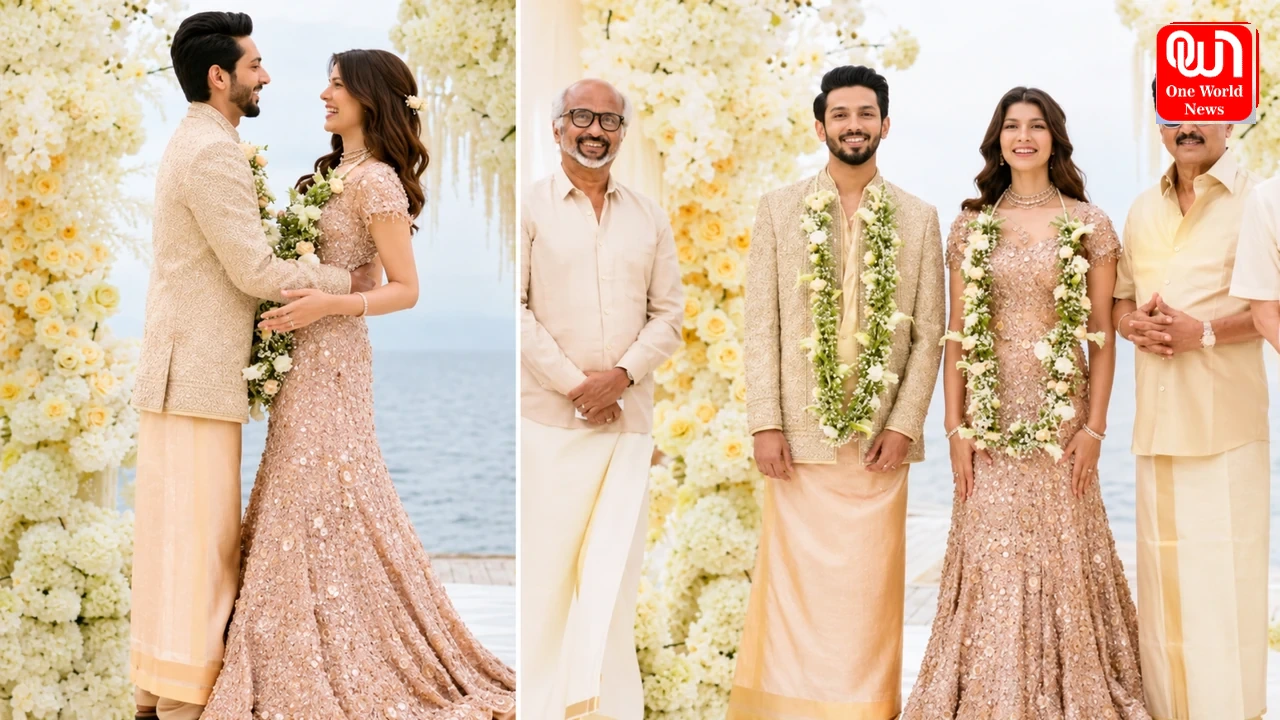
The wedding of popular music composer Anirudh Ravichander and businesswoman Kavya Maran has attracted considerable attention, not just because of the high-profile guests and beautiful destination celebrations but also because of the wedding tradition they reportedly followed. The couple tied the knot in Greece on November 11, 2026, in a ceremony that brought an interesting social and cultural practice into the spotlight: Self-respect marriage.
Following wedding photographs circulating online, people became curious about the rituals performed by the couple. DMK leader Dr T R B Rajaa subsequently confirmed that Anirudh and Kavya had opted for a self-respect marriage. The ceremony involved exchanging garlands and chains, with family members and friends blessing their union.
But what exactly is a self-respect marriage? Why is it different from a conventional Hindu wedding, and what is its historical significance? Let’s understand this unique Tamil wedding tradition.
What Is A Self-Respect Marriage?
A self-respect marriage, also known as Suyamariyathai marriage or Suyamariyathai Thirumanam in Tamil, is a marriage tradition that focuses on equality, mutual consent and dignity between two individuals.
Unlike conventional Hindu wedding ceremonies that may involve elaborate religious rituals, mantras and priests, this form of marriage allows couples to solemnise their union through a declaration of commitment in front of witnesses.
The central idea is simple: marriage should be based on the willingness and understanding of two individuals rather than compulsory religious customs or social expectations.
Couples may exchange garlands, rings or a thali (mangalsutra) as a symbol of their commitment. The ceremony can be conducted in a language understood by the bride and groom, making the promises exchanged more meaningful to them.
History Of Suyamariyathai Marriage: How Did It Begin?
The history of self-respect marriage is closely connected with the Self-Respect Movement started by social reformer Periyar E V Ramasamy in Tamil Nadu in 1925.
The movement challenged several traditional social practices, including caste discrimination, gender inequality, dowry and the dominance of religious authorities in marriage ceremonies.
Periyar believed that marriage should recognise the dignity and equal status of both partners. He also questioned customs that placed unnecessary financial and social pressure on families.
Traditional wedding ceremonies could involve expensive arrangements and rituals that many people could not afford. The Self-Respect Movement encouraged simpler marriages that gave importance to the couple’s consent and equality.
The first self-respect marriages were conducted in Tamil Nadu in 1928, marking an important development in the state’s social reform history.
What Happens In A Self-Respect Marriage Ceremony?
One of the most interesting aspects of a self-respect marriage is its simplicity. There is no compulsory requirement for a priest to conduct the ceremony or for the couple to perform elaborate religious rituals.
Read more: Anirudh Ravichander And Kavya Maran Are Married, First PIC From Dreamy Greece Wedding Out
Here are some common elements associated with this wedding tradition:
1. Exchange Of Garlands: The bride and groom may exchange garlands to symbolise their acceptance of each other as life partners.
2. Exchange Of Rings Or Chains: Couples can exchange rings, chains or a thali as a symbol of their commitment and relationship.
3. Declaration Of Marriage: Both individuals declare their willingness to marry and accept each other as partners in the presence of witnesses.
4. Presence Of Family And Friends: Relatives, friends and other witnesses can attend the ceremony and bless the couple.
5. Equality And Mutual Consent: The most important element is that both partners enter the marriage willingly, with equal dignity and respect.
The ceremony can be personalised according to the couple’s preferences while following the applicable legal requirements.
How Did Anirudh Ravichander And Kavya Maran Follow This Tradition?
The Anirudh Ravichander Kavya Maran wedding became a talking point after photographs from their Greece celebrations appeared on social media.
A particular photograph showing Anirudh tying a chain around Kavya’s neck sparked curiosity about the wedding rituals. Dr T R B Rajaa later confirmed that the couple had chosen a self-respect marriage.
According to his explanation, Kavya and Anirudh exchanged garlands and chains. Rajinikanth handed a chain to Kavya, while former Tamil Nadu Chief Minister M K Stalin handed one to Anirudh. The couple then exchanged chains and received blessings from their family and friends.
This ceremony reflected the central principles of the Suyamariyathai marriage tradition, where mutual commitment and the acceptance of both partners take priority.
Their decision has also encouraged conversations about alternative wedding traditions and the importance of understanding the cultural history behind them.
When Did Self-Respect Marriages Become Legally Recognised?
Self-respect marriages received legal recognition in Tamil Nadu through the Hindu Marriage (Tamil Nadu Amendment) Act, 1967, which introduced Section 7A into the Hindu Marriage Act, 1955. The amendment received presidential assent in January 1968.
Under Section 7A, eligible Hindu marriages can be solemnised through declarations and customary forms such as exchanging garlands, rings or other symbols of commitment in the presence of relatives, friends or other persons.
This was an important legal development because it recognised marriages conducted without conventional religious ceremonies or the involvement of a priest.
However, couples must fulfil the applicable legal conditions for their marriage to be recognised.
Read more: Vijay Deverakonda’s Rs 6.7 Lakh Rolex Has A Square Case And A Fascinating History
Why Is Self-Respect Marriage Becoming A Topic Of Discussion?
The growing interest in self-respect marriage highlights how wedding traditions can reflect changing social values. While many couples continue to prefer traditional ceremonies, others look for simpler celebrations that focus on personal choice, equality and meaningful commitments.
The Anirudh Kavya self-respect marriage has brought attention to a tradition that has deep roots in Tamil Nadu’s social reform movement.
Ultimately, the meaning of a marriage goes beyond expensive decorations, elaborate ceremonies or religious customs. It represents the mutual understanding, trust, respect and commitment shared by two people beginning a new chapter together.
We’re now on WhatsApp. Click to join.
Like this post?
Register at One World News to never miss out on videos, celeb interviews, and best reads.