Delhi Air Pollution Gets Worse: AQI Crosses 450 At ITO, Several Areas In ‘Severe’ Zone As Capital Chokes
Delhi air quality worsens as severe AQI crosses 450 at ITO, with hazardous pollution, PM2.5 and farm fires choking the capital.

Delhi Air Pollution Gets Worse: AQI Crosses 450 At ITO, Several Areas In ‘Severe’ Zone As Capital Chokes
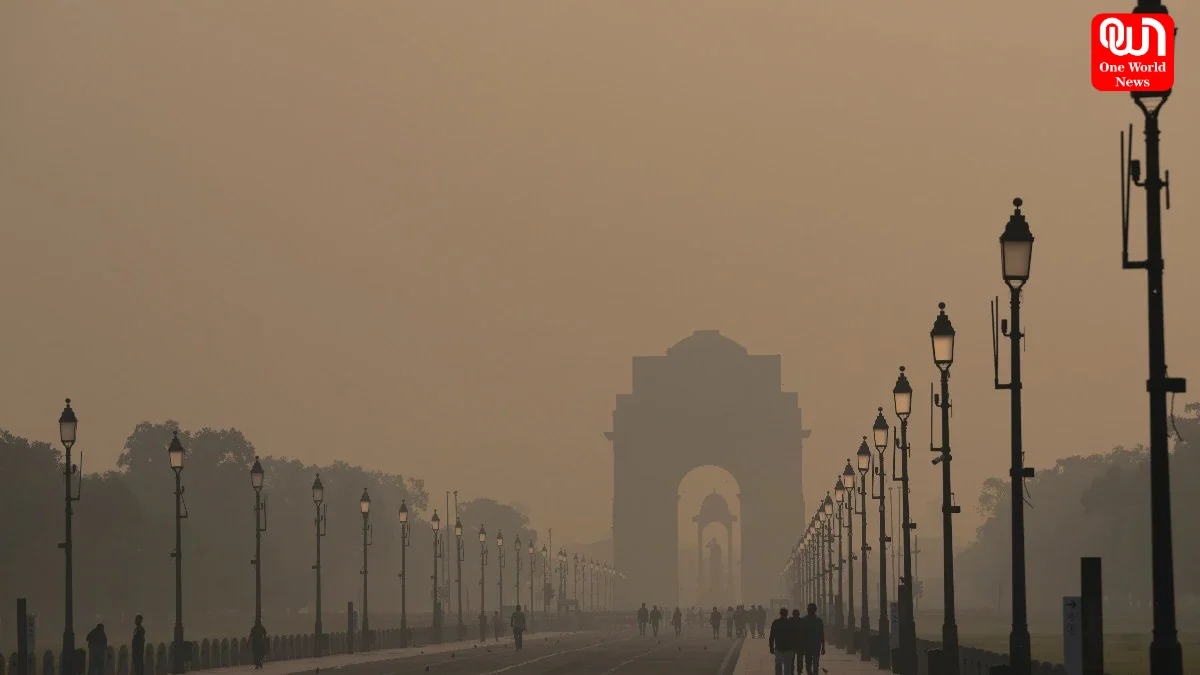
Delhi’s air pollution crisis has taken another alarming turn as the national capital witnessed a sharp deterioration in air quality on Friday, November 13. A thick layer of toxic smog covered several parts of the city, reducing visibility and raising serious health concerns among residents. The overall Air Quality Index (AQI) reached 403, entering the severe category, while several monitoring stations recorded readings above 450.
According to the Central Pollution Control Board (CPCB), ITO recorded an AQI of around 451 in the morning, highlighting the worsening pollution situation across the capital. The deteriorating Delhi air quality has once again raised questions about pollution control measures as residents struggle to breathe clean air.
Delhi AQI Crosses 450 in Several Areas
The latest pollution readings indicate that several neighbourhoods in Delhi are experiencing hazardous pollution levels. According to CPCB monitoring data, 33 out of 58 monitoring stations reporting valid readings were in the severe category.
IIT Delhi recorded an alarming AQI of 487, while Chandni Chowk and North Campus recorded readings of approximately 479 and 478, respectively. Pusa recorded 468, while Burari Crossing reported 456.
Other locations experiencing severe pollution included:
- ITO: 451
- Jawaharlal Nehru University: 451
- Jahangirpuri: 430
- Wazirpur: 427
- Anand Vihar: 419
- Rohini: 413
- IGI Airport Terminal 3: 403
- Tikri Kalan: 402
These figures highlight how widespread the Delhi smog situation has become, with several parts of the city recording extremely poor air quality.
What Does Severe AQI Mean for Delhi Residents?
The Air Quality Index measures the concentration of different pollutants in the atmosphere and indicates how polluted the air is. Under the Indian classification system, an AQI between 401 and 500 falls under the severe category.
At this level, air pollution can affect even healthy individuals and cause serious health complications for people with existing respiratory or cardiovascular conditions.
The CPCB classifies air quality into six categories:
- 0–50: Good
- 51–100: Satisfactory
- 101–200: Moderate
- 201–300: Poor
- 301–400: Very Poor
- 401–500: Severe
With Delhi’s AQI crossing 400, residents are being advised to reduce outdoor exposure, particularly during early morning and evening hours when pollution levels can remain high.
PM2.5 Concentrations Remain a Major Concern
One of the biggest concerns behind the worsening Delhi air quality is the increasing concentration of fine particulate matter, particularly PM2.5.
These microscopic particles are small enough to enter deep into the lungs and potentially reach the bloodstream. Prolonged exposure can increase the risk of breathing difficulties, asthma attacks, lung irritation and cardiovascular problems.
Recent monitoring data showed that PM2.5 was the dominant pollutant at most of Delhi’s monitoring stations. Weak wind conditions and limited atmospheric mixing have also contributed to the accumulation of pollutants near ground level.
The situation becomes particularly dangerous for children, older people and individuals suffering from asthma or other respiratory illnesses.
Farm Fires, Vehicles and Weather Conditions Behind Delhi Smog
Several factors are contributing to the rising pollution levels in Delhi. Farm fires in neighbouring states, vehicular emissions, construction dust, industrial pollution and firecracker emissions have collectively increased the pollution burden.
Farm fires in Punjab and Haryana remain an important seasonal concern. Smoke generated by agricultural residue burning can travel towards the national capital under favourable wind conditions, adding to the existing pollution.
According to satellite observations reported on November 13, thousands of farm fires had been detected across Punjab and Haryana since October 1.
However, stubble burning is not the only reason behind the crisis. Local pollution sources, including road dust, diesel vehicles, construction activities and industrial emissions, also contribute significantly.
Unfavourable weather conditions, particularly calm winds and a shallow mixing layer, prevent pollutants from dispersing effectively.
GRAP Stage III Restrictions Already in Place
Amid the worsening pollution situation, the Commission for Air Quality Management (CAQM) had already implemented Stage III restrictions under the Graded Response Action Plan (GRAP) across Delhi-NCR on November 6.
These restrictions include curbs on certain construction and demolition activities, closure of stone crushers and mining operations, and restrictions on older and more polluting vehicles in specified areas.
Authorities are also monitoring the situation as pollution levels continue to fluctuate.
If Delhi’s 24-hour average AQI reaches above 450, the highest level of GRAP restrictions, known as Stage IV, can be activated.
How Can Residents Protect Themselves?
As hazardous pollution continues to affect the capital, residents should take precautions to minimise exposure.
Some important measures include:
- Avoid unnecessary outdoor activities when AQI levels are severe.
- Wear a well-fitted N95 mask when travelling outdoors.
- Keep windows and doors closed during periods of heavy pollution.
- Avoid outdoor exercise and morning walks during high-pollution hours.
- Use an air purifier indoors, if available.
- Children, older adults and people with respiratory conditions should take extra precautions.
Anyone experiencing breathing difficulty, chest discomfort or persistent coughing should seek medical advice.
Read more: Gold and Silver Rate Update Today: Precious Metal Prices Witness a Sharp Decline
Will Delhi Get Relief From Air Pollution?
Delhi’s worsening pollution crisis has once again highlighted the urgent need for long-term solutions. While GRAP restrictions and temporary pollution-control measures can provide some relief, sustained action is required to address vehicular emissions, industrial pollution, construction dust and agricultural residue burning.
With the Air Quality Index entering the severe category and several monitoring stations recording readings above 450, the coming days will be crucial for the national capital.
For now, residents continue to face hazardous air, reduced visibility and growing health concerns as Delhi struggles under a thick blanket of pollution.
We’re now on WhatsApp. Click to join.
Like this post?
Register at One World News to never miss out on videos, celeb interviews, and best reads.