
Can Using Too Much Lip Balm Make Your Lips Drier? Dermatologist Explains What You Should Know
Discover the side effects of using too much lip balm, ingredients that worsen dryness and whether frequent application makes lips drier.

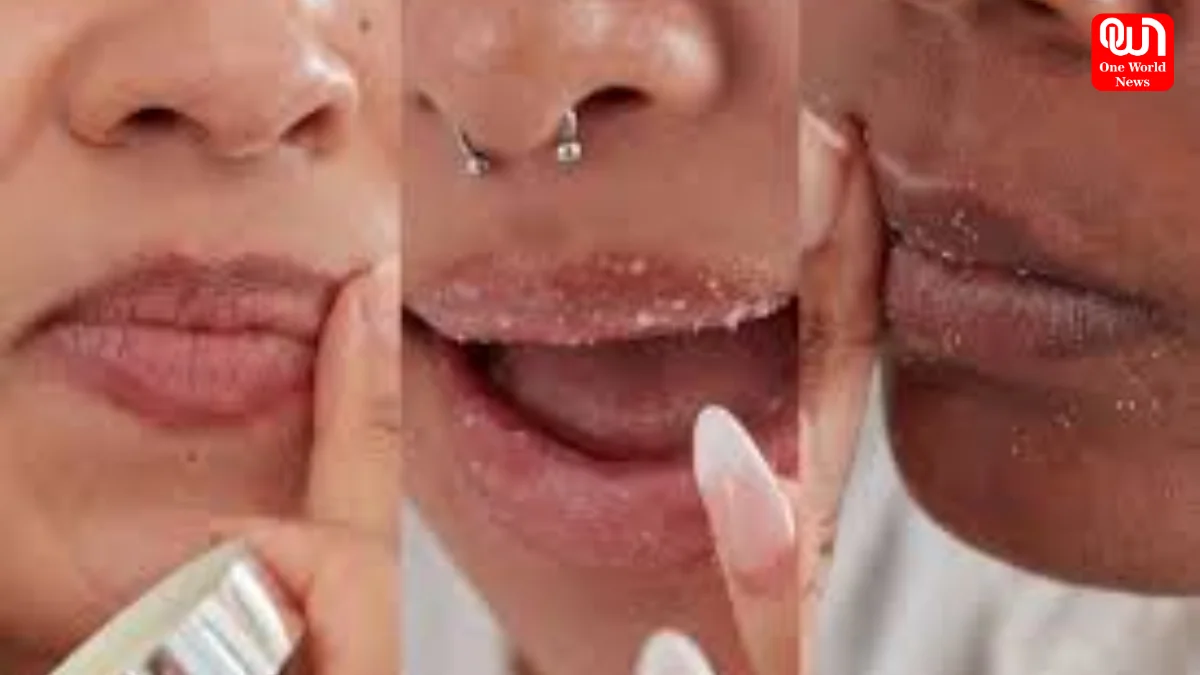
Can Applying Lip Balm Too Often Make Your Lips Drier? Discover the Side Effects of Using Too Much Lip Balm and Lip Balm Ingredients That May Worsen Dryness
Lip balm is one of the most commonly used skincare products, especially during winter when dry, cracked and chapped lips become a frequent problem. Many people apply lip balm several times throughout the day to keep their lips soft, moisturised and healthy. However, have you ever wondered whether applying lip balm too often can actually make your lips drier?
Dermatologists explain that using lip balm frequently does not automatically cause dryness. In fact, a suitable lip balm can protect the delicate skin of the lips and prevent moisture loss. However, certain ingredients, irritating formulations and repeated exposure to unsuitable products may worsen dryness, causing irritation, peeling and discomfort.
The important thing is to understand which ingredients work well, which ones may cause irritation and how frequently you should apply lip balm.
Can Applying Lip Balm Too Often Make Your Lips Drier?
Applying lip balm regularly is generally safe, provided you choose a gentle product with skin-protecting ingredients. However, some lip balms contain fragrances, flavours or cooling ingredients that may irritate sensitive lips.
Read more: It’s Backless! Kareena Kapoor Khan’s Poo Moment With Saif Ali Khan at Manish Malhotra’s Diwali Party
When these products are applied repeatedly, they can trigger irritation and make the lips feel increasingly dry. This may create a cycle in which a person keeps applying more lip balm to relieve discomfort, without addressing the underlying irritation.
It is also important to understand that the feeling of needing lip balm frequently does not necessarily mean your lips have become dependent on it. Sometimes, the product simply provides temporary comfort without adequately protecting the skin barrier.
Dermatologists generally recommend choosing fragrance-free and hypoallergenic lip products, particularly for people who regularly experience chapped or sensitive lips.
Side Effects of Using Too Much Lip Balm
Although lip balm is designed to protect and moisturise the lips, using an unsuitable product repeatedly may cause unwanted reactions. The side effects depend more on the ingredients and individual skin sensitivity than on the number of applications.
Some possible side effects include:
1. Increased Dryness: Certain ingredients may irritate the delicate skin of the lips, making dryness and peeling more noticeable.
2. Lip Irritation: Fragrances, flavours and cooling agents can cause redness, burning or discomfort, particularly in people with sensitive skin.
3. Allergic Reactions: Some individuals may develop allergic contact cheilitis, a condition that causes inflammation of the lips after exposure to an irritating or allergenic ingredient.
4. Peeling and Cracking: Continuous exposure to unsuitable lip products may worsen irritation, leading to flaky skin, painful cracks and sensitivity.
5. Burning or Tingling Sensation: If your lips start burning or tingling after applying a product, it may indicate irritation rather than effective moisturisation.
It is important to remember that these reactions are not caused by every lip balm. A gentle, suitable formulation can be applied regularly without necessarily causing harm.
Lip Balm Ingredients That May Worsen Dryness
One of the most important things to consider when purchasing lip balm is its ingredient list. Some ingredients can provide temporary cooling or fragrance but may irritate already-dry lips.
Here are some ingredients dermatologists recommend avoiding when your lips are chapped:
| Ingredient | Possible effect |
|---|---|
| Menthol | Can cause irritation and a cooling sensation |
| Camphor | May irritate sensitive or cracked lips |
| Phenol | Can irritate and worsen dryness |
| Salicylic acid | May irritate already-damaged lip skin |
| Fragrance | Can trigger sensitivity or allergic reactions |
| Cinnamon flavour | May cause irritation |
| Peppermint oil | Can irritate sensitive lips |
| Eucalyptus | May worsen irritation |
Dermatologists also advise caution with certain flavouring agents, lanolin and other ingredients that may trigger reactions in sensitive individuals.
Read more: Read more: Trisha Krishnan Attends Wedding With TN CM Vijay, Stuns In Powder-Pink Saree And Feather-Trimmed Blouse
If a lip balm causes burning, stinging or discomfort, stop using it rather than applying more product to overcome the sensation.
Which Lip Balm Ingredients Are Good for Dry Lips?
Choosing the right ingredients can make a significant difference in maintaining soft and healthy-looking lips. Instead of selecting products based only on fragrance, flavour or packaging, look for formulations that help protect the skin barrier and reduce moisture loss.
Some useful ingredients include:
-
Petroleum Jelly: Creates a protective barrier that helps prevent moisture loss.
-
Ceramides: Help support and maintain the skin’s natural protective barrier.
-
Shea Butter: Helps soften and condition dry lips.
-
Dimethicone: Forms a protective layer that helps reduce moisture loss.
-
Mineral Oil: Helps soften the lips and protect against dryness.
-
Castor Seed Oil: Works as an emollient to soften the skin.
-
Glycerin: Helps attract and retain moisture.
For very dry or cracked lips, a simple fragrance-free ointment containing petroleum jelly can be particularly helpful.
American Academy of Dermatology+2
How Often Should You Apply Lip Balm?
There is no fixed number of applications suitable for everyone. The frequency depends on the product formulation, environmental conditions and how dry your lips feel.
Dermatologists generally recommend applying a gentle lip balm whenever your lips feel dry, after eating or drinking, and before going to bed.
Keep these simple guidelines in mind:
-
Apply a gentle moisturising lip balm when your lips feel dry.
-
Use a thicker ointment before sleeping.
-
Reapply after eating or drinking when needed.
-
Choose SPF 30 or higher lip protection when outdoors.
-
Reapply sunscreen lip balm approximately every two hours while outdoors.
-
Avoid repeatedly using products that cause burning or irritation.
Using lip balm several times daily is not automatically harmful. The key is to choose a product that supports your lips rather than irritating them.
American Academy of Dermatology+1
Other Reasons Your Lips May Feel Dry
Sometimes, dry lips have nothing to do with excessive lip balm application. Several environmental and lifestyle factors can contribute to persistent dryness.
Common reasons include:
-
Cold Weather: Low temperatures and cold winds can remove moisture from the lips.
-
Dehydration: Not drinking enough water may contribute to dry lips.
-
Frequent Lip Licking: Saliva evaporates quickly and can worsen dryness and irritation.
-
Sun Exposure: UV radiation can damage the delicate skin of the lips.
-
Mouth Breathing: Breathing through the mouth can increase dryness, particularly during sleep.
-
Allergies: Certain skincare products, cosmetics and toothpaste ingredients may trigger lip irritation.
Identifying the underlying cause is important for choosing the right lip care routine.
When Should You Consult a Dermatologist?
Occasional dry lips are usually manageable with basic skincare. However, persistent dryness, swelling, redness, bleeding or painful cracks should not be ignored.
Consider consulting a dermatologist if:
-
Your lips remain dry despite using suitable moisturising products.
-
You experience frequent peeling or painful cracking.
-
Your lips become swollen, itchy or inflamed.
-
You notice sores or unusual changes in the skin.
-
Your symptoms continue for two to three weeks without improvement.
A dermatologist can identify whether the problem is related to an allergic reaction, infection, environmental damage or another skin condition.
Conclusion
Using lip balm frequently does not automatically make your lips drier. However, certain ingredients, fragrances and flavouring agents can irritate sensitive lips and worsen existing dryness.
The best approach is to choose a gentle, fragrance-free lip balm containing moisturising and protective ingredients such as petroleum jelly, ceramides or shea butter. Avoid products that cause burning or tingling, stay hydrated and protect your lips from sun exposure.
Healthy lips are not about applying more lip balm but about choosing the right product and maintaining a consistent lip care routine.
We’re now on WhatsApp. Click to join.
Like this post?
Register at One World News to never miss out on videos, celeb interviews, and best reads.