Dhirendra Shastri Faces Backlash Over Remarks on Lord Krishna, Issues Apology
Dhirendra Shastri faces backlash over remarks comparing Lord Ram and Krishna, sparking religious controversy and an apology from the preacher.

Dhirendra Shastri Controversy: Remarks on Lord Krishna Spark Outrage and Apology
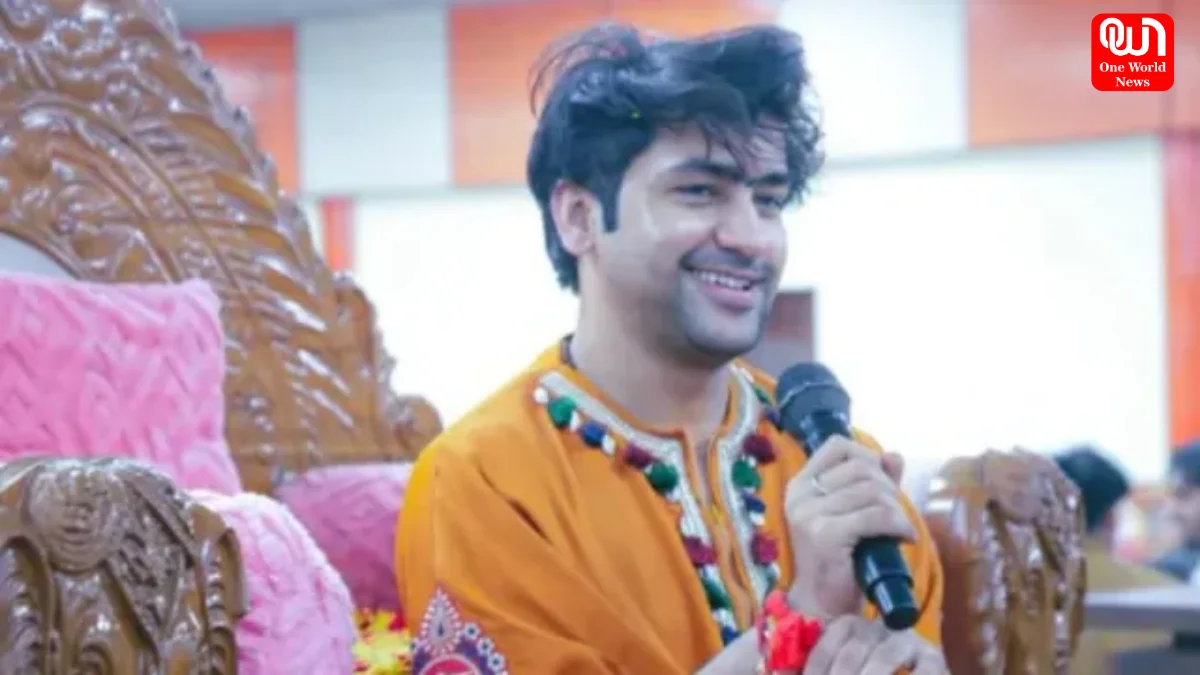
Religious leaders carry a significant responsibility because millions of followers listen to their words, trust their guidance, and consider them sources of spiritual inspiration. However, what happens when a religious preacher’s own statements become the centre of controversy? This question has emerged following the latest controversy involving Bageshwar Dham’s head priest, Dhirendra Krishna Shastri, popularly known as Bageshwar Baba.
His remarks comparing Lord Ram and Lord Krishna during a religious discourse in Madhya Pradesh have triggered widespread criticism among devotees and religious figures, particularly in Mathura and Vrindavan. Following the growing backlash, Shastri issued a clarification and apologised to anyone whose religious sentiments may have been hurt.
Read more: Delhi AQI Continues To Worsen As Diwali Nears, GRAP-II Invoked Across Capital
But the bigger question remains: Is apologising after making controversial statements enough?
What Did Dhirendra Shastri Say About Lord Krishna?
The controversy began during a Ram Katha programme held in Karera, in Madhya Pradesh’s Shivpuri district, in late October 2026.
While discussing the differences between Lord Ram and Lord Krishna, Dhirendra Shastri made remarks about Krishna’s physical posture and mannerisms. He reportedly said that Lord Ram stands straight, whereas Lord Krishna stands bent at three places.
He was referring to Lord Krishna’s famous Tribhanga Mudra, a graceful posture in which the body bends at three points. However, his choice of words and the way he presented the comparison did not go down well with several devotees.
He also compared playing the flute with using a bow and suggested that playing the flute was merely a sport, whereas using a bow was a more serious achievement.
His remarks quickly circulated on social media, attracting criticism from people who felt that the comparison unnecessarily diminished the significance of Lord Krishna.
Why Are Devotees Upset With Dhirendra Shastri’s Remarks?
For millions of devotees, Lord Krishna’s flute is not simply a musical instrument. It represents divine love, devotion, peace and the spiritual connection between the Lord and his devotees.
Similarly, the Tribhanga Mudra is celebrated in Hindu traditions as a symbol of divine beauty and grace.
Lord Krishna’s identity is deeply connected with Vrindavan, where his childhood stories, teachings and divine pastimes continue to inspire generations.
Therefore, devotees questioned why such comparisons were necessary in the first place.
The concern was not about praising Lord Ram. Devotees have immense respect for both deities. The objection was primarily about using language that appeared to place one divine incarnation above another.
After all, Lord Ram and Lord Krishna are both revered as incarnations of Lord Vishnu. Their lives represent different aspects of dharma, devotion, courage, compassion and divine wisdom.
Why should celebrating one require belittling the other?
Religious Leaders From Mathura and Vrindavan Raise Objections
Following the circulation of the video, several religious figures and Krishna devotees from Mathura and Vrindavan expressed their disappointment.
They argued that both Lord Ram and Lord Krishna deserve equal reverence and that public religious discourses should avoid comparisons that could hurt the sentiments of devotees.
The controversy also raised questions about the responsibility of prominent religious speakers. When someone has millions of followers, even a few sentences spoken from a public platform can influence people’s understanding and emotions.
A religious discourse should ideally encourage devotion, unity and respect rather than create unnecessary disagreements between different groups of devotees.
Dhirendra Shastri Issues an Apology and Clarification
As criticism increased, Dhirendra Shastri released a video message from Nairobi, Kenya, explaining his position.
He stated that his intention was never to differentiate between Lord Ram and Lord Krishna or insult either deity.
According to his clarification, his remarks were made while explaining a devotional verse and the playful expressions associated with the Braj tradition. He also argued that some people had interpreted his words differently after watching only a portion of the video.
Shastri emphasised that he himself was a devotee of Lord Krishna and had repeatedly supported the cause of Krishna Janmabhoomi.
He further stated that Lord Ram and Lord Krishna represent the same supreme divine reality. He apologised with folded hands if his words, emotions or interpretation had hurt anyone’s religious sentiments.
Previous Controversies Have Also Raised Questions
This controversy has also brought earlier disagreements surrounding Dhirendra Shastri’s public statements back into discussion.
His remarks concerning religious personalities, including Sai Baba and Sant Tukaram, have previously attracted criticism.
While religious speakers have the freedom to express their interpretations and explain different spiritual traditions, their public influence also comes with responsibility.
A statement made during a religious gathering can quickly reach millions through social media. Therefore, choosing words carefully becomes especially important.
Why Religious Leaders Must Be Responsible With Their Words
The real purpose of religious storytelling is to spread knowledge, faith, compassion and harmony. Whether someone narrates the Ramayana, Bhagavad Gita or Bhagwat Katha, the message should inspire people to become better human beings.
Lord Ram’s life teaches discipline, sacrifice and righteousness, while Lord Krishna’s teachings highlight wisdom, love, duty and devotion. Both have an equally important place in Hindu traditions.
A preacher can praise Lord Ram without making unnecessary comparisons with Lord Krishna. Similarly, celebrating Krishna’s divine qualities does not require diminishing Lord Ram.
Public figures, particularly those associated with religion, should understand that their words carry influence beyond the stage.
Conclusion: Is an Apology Enough After Hurting Religious Sentiments?
The Dhirendra Shastri controversy has once again started an important discussion about religious communication and accountability.
read more: Baba Bageshwar Apologises Over Lord Ram and Lord Krishna Remarks After Facing Backlash
An apology can certainly help resolve misunderstandings, but choosing respectful language from the beginning is equally important.
The question is not whether Lord Ram or Lord Krishna is greater. For their devotees, both are deeply cherished forms of the divine.
What matters is understanding that faith should unite people, not create unnecessary divisions.
What do you think? Should prominent religious preachers be more careful with their public statements, especially when discussing revered deities? Is an apology enough after such controversies?
We’re now on WhatsApp. Click to join.
Like this post?
Register at One World News to never miss out on videos, celeb interviews, and best reads.