TDS on Fixed Deposit Interest: What Every Investor Should Know Before Investing
A Fixed Deposit (FD) can help you earn interest at a rate you agree to when you invest. Before you book an FD, it is important to understand

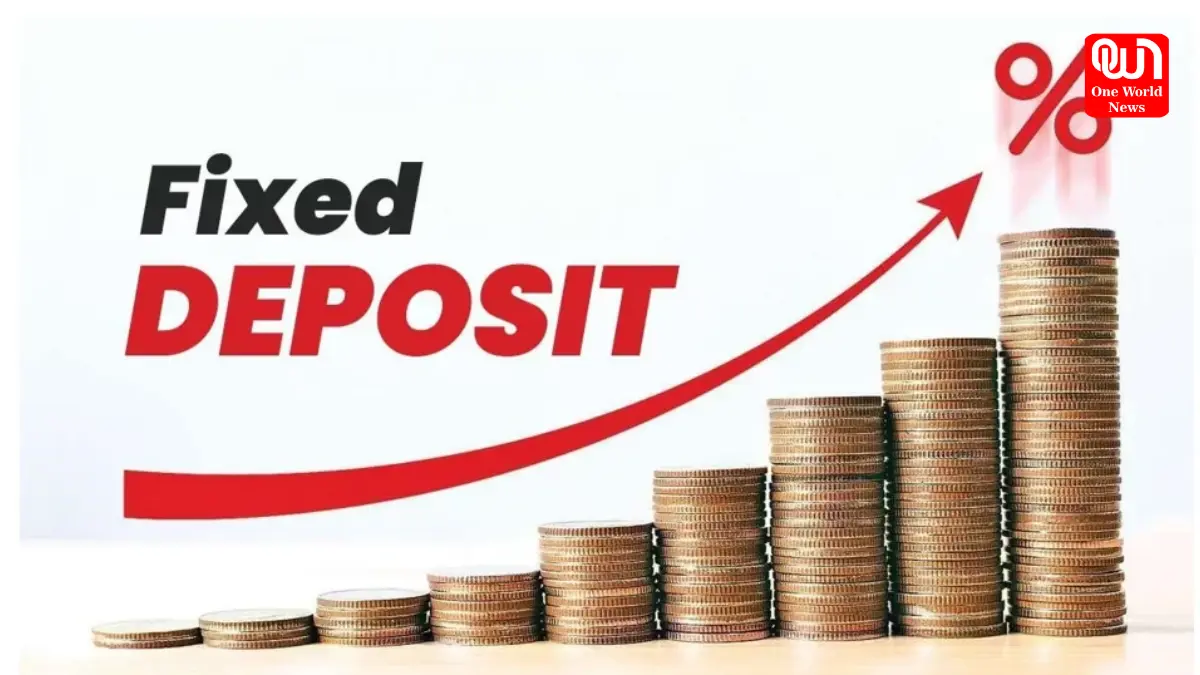
A Fixed Deposit (FD) can help you earn interest at a rate you agree to when you invest. Before you book an FD, it is important to understand how Tax Deducted at Source (TDS) may affect your returns. Knowing when TDS applies and how much may be deducted can help you estimate your earnings and plan your savings more accurately.
What is TDS on Fixed Deposit Interest?
Tax Deducted at Source (TDS) is tax that a payer deducts from certain payments and deposits with the government on the recipient’s behalf. For Fixed Deposits, a bank or other covered institution may deduct TDS when the interest credited or paid during the tax year exceeds the applicable threshold.
Here is how it works:
- Interest is considered during the tax year: TDS can apply to interest credited or paid during the year, even if the FD has not matured.
- Interest is added across eligible deposits: The institution considers interest across relevant deposits you hold with it when checking the applicable threshold.
- The deduction is credited against your tax liability: TDS is not a separate tax on top of your final income tax. It is a credit you can adjust against the tax you owe when you file your return.
Before you book an FD, estimate the interest you may earn across your deposits. This can help you plan for any TDS deduction and calculate the amount you may receive.
What Are the TDS Thresholds and Rates on FD Interest?
Under Section 393(1) of the Income Tax Act, 2025, the threshold depends on who pays the interest and the type of deposit.
| Institution paying the interest | Annual interest threshold for TDS |
| Bank, qualifying co-operative bank or post office deposit scheme | INR 50,000 for individuals below 60 years |
| Bank, qualifying co-operative bank or post office deposit scheme | INR 1,00,000 for senior citizens |
| Other specified payers, including applicable NBFC deposits | INR 10,000 |
These are TDS deduction thresholds, not limits on how much interest you can earn tax-free. If you cross the relevant threshold, TDS may be deducted on the full interest amount covered by the provision, not just the amount above the threshold.
For resident individuals, the applicable rate for ordinary FD interest is generally 10% when a valid PAN is furnished. If a valid PAN is not furnished, TDS is deducted at 20%, and a Form No. 121 submitted without a PAN is not accepted.
The precise treatment can depend on the payer and the circumstances, so investors should confirm the applicable rate with their bank or financial institution.
Investors using financial platforms like JioFinance to review available FD options should also check the issuing institution’s terms. The institution’s rules and tax obligations apply to the deposit it offers.
Read More: Jio Platforms Makes Stellar Debut on Dalal Street: Shares Open at 21.3% Premium
How Can You Reduce or Avoid TDS on FD Interest?
TDS may not be required in every case. If you qualify under the relevant provisions, you can submit a declaration or apply for a lower- or nil-deduction certificate.
- Submit Form No. 121 if you qualify
For Tax Year 2026–27 onwards, eligible taxpayers can submit Form No. 121 under Section 393(6) of the Income Tax Act, 2025. This form replaces the earlier Forms 15G and 15H for the relevant declaration.
The declaration is for eligible residents whose tax on estimated total income for the tax year will be nil. Eligibility depends on the applicable rules and the person’s circumstances. Submitting the form does not automatically exempt every investor from TDS.
- Check your PAN details
Make sure your PAN details are correct and available with the institution holding your FD. Missing or invalid PAN information can lead to higher TDS rates where the law requires it.
- Review your deposits and expected interest
Keep track of the interest you expect to earn from each institution. This helps you determine whether you may cross the relevant TDS threshold and plan your cash flow accordingly.
- Check whether you qualify for a lower or nil deduction certificate
If the tax expected to be payable on your income is lower than the amount likely to be deducted, you may be eligible to apply for a lower or nil TDS certificate under Section 395(1). Approval depends on the assessment of your circumstances by the tax authorities.
Do not divide deposits between institutions or add joint holders solely on the assumption that this will reduce your tax. Tax treatment depends on the applicable rules, ownership and individual circumstances.
Final Thoughts
Understanding TDS on Fixed Deposit interest can help you plan your savings and avoid surprises when interest is credited. Check the applicable threshold, keep your PAN details updated and submit Form No. 121 if you qualify. Remember that TDS is an advance deduction, not necessarily your final tax liability. Review your interest and tax records before filing your return and consult a qualified tax professional if your circumstances require individual advice.
Disclaimer: This article is for general information and is not a substitute for personalised tax advice. Tax treatment depends on the applicable law and your individual circumstances.
We’re now on WhatsApp. Click to join.
Like this post?
Register at One World News to never miss out on videos, celeb interviews, and best reads.