How to Stay Calm in a Financial Crisis: 7 Tips and Strategies
Financial challenges can happen even during otherwise stable periods. For instance, a delayed freelance income coupled with an urgent utility bill can quickly disrupt your budget.

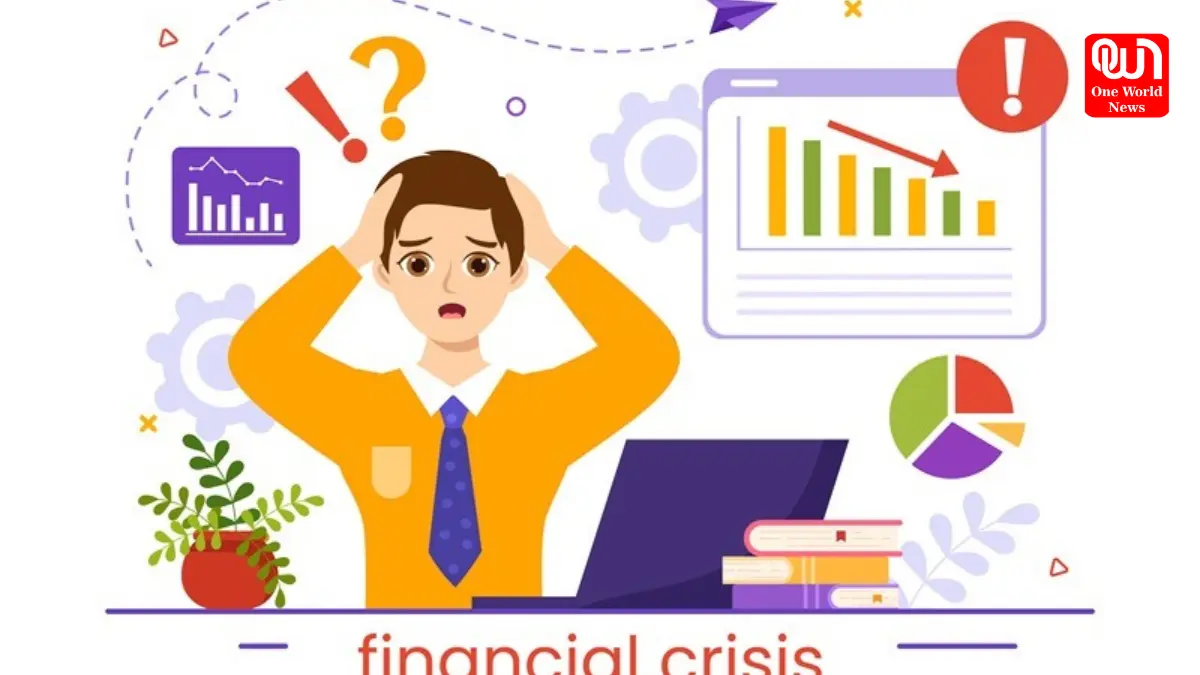
Financial challenges can happen even during otherwise stable periods. For instance, a delayed freelance income coupled with an urgent utility bill can quickly disrupt your budget. Fortunately, staying calm during these situations becomes much easier when you have practical systems and financial safeguards in place.
Preparation plays a major role in how confidently you respond to financial stress. Small financial decisions made today can improve your flexibility, reduce anxiety, and help you respond more clearly during uncertain situations. This proactive approach also creates peace of mind long before a crisis ever begins.
To help you prepare for the unexpected, here are seven tips and strategies to stay calm and financially grounded during challenging times.
Understand Your Finances
Financial stress often becomes more overwhelming when your finances are unclear or disorganized. This uncertainty can make small problems appear larger than they really are. For example, you can’t make decisions if you don’t know how much money you have available.
A simple overview of your finances can help restore a sense of control. Even a basic monthly budget in a notebook is enough to highlight your income, recurring bills, savings, and debt obligations. Of course, digital banking tools can simplify this process by giving you easier access to account balances, transaction histories, and payment tracking in one place. What matters most is that you can easily check your finances when you need to.
Prepare Financial Options in Advance
Waiting until an emergency happens to look for solutions often leads to rushed decisions, limited choices, and higher stress levels. This is why one of the most effective strategies you can implement is to research your options before a crisis occurs. For instance, you can explore instant loans in advance so you have time to compare terms carefully and identify which options might align with your needs and repayment capacity.
Learning about financing options early also gives you time to improve your eligibility. For example, if you’re looking at a virtual credit line like Maya Easy Credit, you might open an account with Maya first and use its other products and services. This way, you can strengthen your financial position long before you need additional support.
Focus on Immediate Priorities
Financial crises typically trigger worries about the future. You start thinking several months ahead and imagining worst-case scenarios, especially when uncertainty affects your income or expenses. Unfortunately, this kind of thinking can make it harder to focus on the practical actions that need attention right away.
Instead of trying to solve every possible future problem at once, concentrate on immediate priorities. Which specific financial challenge are you currently focusing on? Is it a late bill? A busted pipe? By narrowing your focus to the most critical immediate tasks, you build the necessary momentum to stabilize the current situation before addressing long-term complexities.
This approach also helps you preserve mental energy. Remember that financial recovery rarely happens through one major decision alone. More often, stability comes from a series of smaller choices that gradually improve your situation step by step.
Limit Financial Doomscrolling
Staying informed is important during periods of uncertainty, but constant exposure to alarming financial content can quickly increase stress levels. Moreover, negative headlines, market speculation, and social media discussions create a sense of urgency that may not fully reflect your personal financial situation.
Repeated exposure to crisis-driven content can also affect decision-making. You might react emotionally by withdrawing investments too quickly, making impulsive purchases, or avoiding financial responsibilities entirely because the situation feels overwhelming.
While it’s useful to get updates from credible sources, monitoring every development throughout the day may create unnecessary anxiety. To protect your mental health, set reasonable limits on financial news consumption. This will allow you to evaluate your options more rationally and avoid making decisions based purely on fear.
Build a Temporary Budget
During financially difficult periods, your budget may need short-term adjustments. This doesn’t mean you should permanently eliminate every nonessential expense. A better strategy is to create enough breathing room to protect your most important financial responsibilities while reducing unnecessary strain. You can postpone discretionary purchases, limit entertainment spending, reduce dining expenses, or cut subscription services that you rarely use. These adjustments may appear small individually, but together they can free up funds that improve your ability to manage urgent costs.
Maintain Healthy Routines
Financial stress doesn’t affect just your bank account. It can also disrupt sleep, concentration, productivity, and emotional health. Once routines begin to break down, financial problems often feel even harder to manage because exhaustion and anxiety reduce your ability to think clearly.
Maintaining structure in your daily routine can help you stay more emotionally steady during uncertain periods. So, make sure you still get enough sleep, exercise, and healthy meals. These consistent daily habits support better focus and decision-making. Plus, they can create a sense of normalcy that helps stabilize your emotions.
Strong emotional health also improves financial resilience. If you feel mentally grounded, you’re generally better equipped to evaluate solutions carefully, communicate openly about financial concerns, and avoid panic-driven decisions that may create additional problems later.
Read more: How to Check Your CIBIL Score Online for Free in India (2026)
Reach Out for Support
Many people delay financial conversations because they feel embarrassed or worried about being judged. However, avoiding these discussions makes financial situations more difficult to resolve. Conversely, reaching out early can provide access to solutions that may become harder to secure later. Depending on your situation, support may come from family members, financial institutions, employers, or professional financial advisers.
Open communication can also reduce emotional stress significantly. Seeking guidance early allows you to share the “burden” of the crisis, explore practical solutions, and maintain greater control over the situation. In this case, a second pair of eyes might help you see solutions that you might otherwise overlook.
Keep Calm and Weather the Crisis
You can’t eliminate every possible financial problem, but you can place yourself in a stronger position to manage disruptions without losing stability. The stronger your financial habits and support systems become today, the more confidently you can face uncertainty tomorrow.
We’re now on WhatsApp. Click to join.
Like this post?
Register at One World News to never miss out on videos, celeb interviews, and best reads.