What Lula’s Brazil Victory Means for India: BRICS, Trade and the Global South
Luiz Inácio Lula da Silva’s Brazil election victory highlights India Brazil relations, BRICS, bilateral trade, critical minerals and the global south.

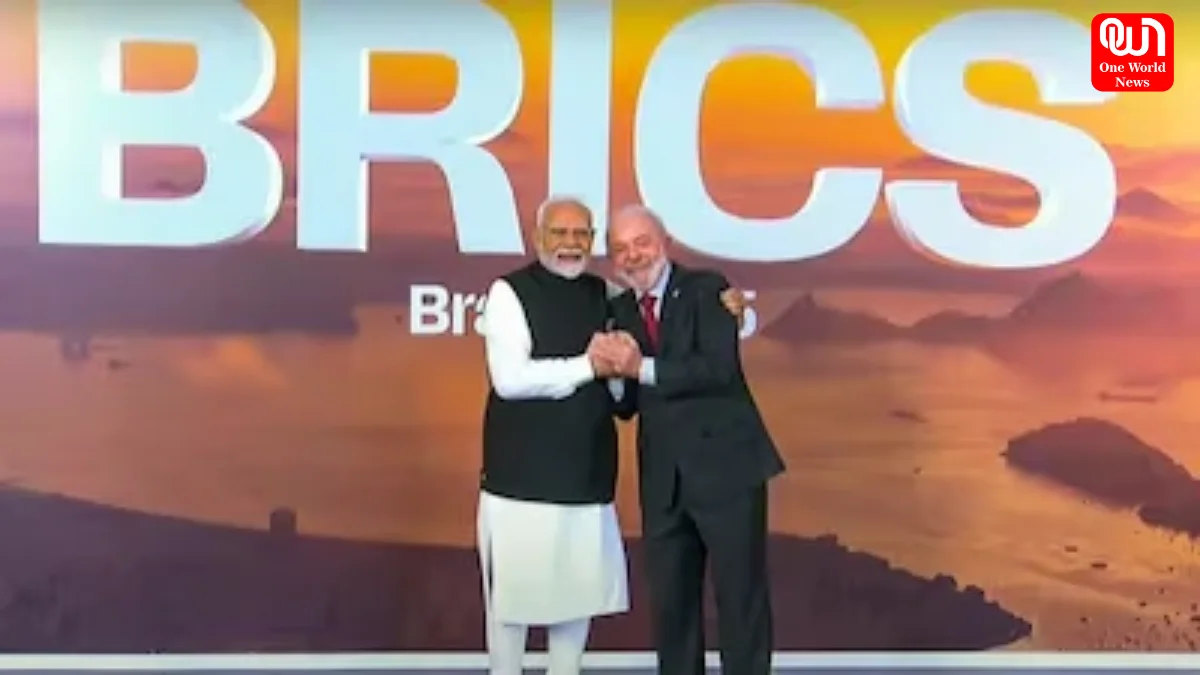
Luiz Inácio Lula da Silva and Brazil Election: How India-Brazil Relations, BRICS, Global South Cooperation, Bilateral Trade, Critical Minerals and Foreign Policy Could Shape the Future
The victory of Luiz Inácio Lula da Silva in Brazil’s presidential election on October 25, 2026, could open a new chapter in relations between India and Latin America’s largest economy. Lula defeated Flávio Bolsonaro in a closely contested runoff, securing another term and bringing renewed attention to Brazil’s international partnerships, economic priorities and diplomatic direction.
For India, the result matters beyond Brazil’s domestic politics. Both countries are major emerging economies, influential members of BRICS and advocates for a stronger voice for developing nations in global affairs. From expanding bilateral trade to strengthening cooperation on critical minerals, the coming years could create opportunities for both countries.
Why Luiz Inácio Lula da Silva’s Victory Matters for India
Lula has consistently supported multilateral cooperation, economic development and greater representation for developing countries in international institutions. His re-election provides continuity for India’s engagement with Brazil, particularly as New Delhi seeks to diversify its economic partnerships and strengthen ties across Latin America.
India and Brazil established diplomatic relations in 1948, and their relationship was elevated to a Strategic Partnership in 2006. Cooperation now covers trade, energy, agriculture, pharmaceuticals, technology, defence and climate action.
Prime Minister Narendra Modi congratulated Lula on his victory on October 26, expressing his intention to deepen the India-Brazil Strategic Partnership. The message highlighted shared priorities, including cooperation across sectors and advancing the interests of the Global South.
However, political continuity alone will not guarantee progress. Both governments must convert diplomatic goodwill into practical agreements, business opportunities and measurable economic gains.
BRICS and the Global South: A Shared Foreign Policy Agenda
One of the most important implications of Lula’s victory concerns BRICS, the grouping that includes Brazil, Russia, India, China, South Africa and additional members admitted through its expansion.
India and Brazil share an interest in making international institutions more representative of contemporary economic and political realities. Both countries have supported reforms to global governance, including changes to the United Nations Security Council, where developing nations seek greater influence.
Lula’s continued emphasis on cooperation among emerging economies could provide opportunities for India and Brazil to coordinate positions on development finance, climate funding, food security and international trade.
The Global South agenda is particularly important because many developing countries face similar challenges, including expensive financing, unequal access to technology and vulnerability to global economic disruptions.
Nevertheless, BRICS members do not always agree on geopolitical questions. India maintains its independent foreign policy, and closer cooperation with Brazil will depend on identifying shared interests rather than expecting complete alignment.
India-Brazil Relations and the Bilateral Trade Opportunity
Trade remains a major foundation of the partnership. According to India’s official diplomatic information, bilateral trade reached approximately $15.21 billion in 2025, representing growth of more than 25% compared with 2024. Trade during the first half of 2026 reached approximately $8.77 billion.
India exports petroleum products, pharmaceuticals, chemicals, engineering goods and agrochemicals to Brazil. In return, Brazil supplies commodities such as crude oil, soybean oil, sugar, cotton and iron ore.
The next challenge is to diversify this relationship. Indian pharmaceutical companies, technology providers, manufacturers and engineering businesses could explore additional opportunities in the Brazilian market. Brazilian companies could also increase their participation in India’s expanding industrial, energy and infrastructure sectors.
The two countries have discussed an ambitious goal of increasing bilateral trade to $30 billion by 2030. Achieving that target will require better market access, stronger business connections, reduced trade barriers and greater investment in new sectors.
Critical Minerals and Clean Energy Cooperation
Critical minerals represent another promising area for cooperation. These resources are essential for electric vehicles, batteries, renewable energy systems, electronics and advanced manufacturing.
Brazil possesses significant mineral resources, while India is working to strengthen supply chains that support its clean-energy transition and industrial growth. Greater cooperation could help Indian companies diversify sourcing and explore investment opportunities in mineral processing and related technologies.
Importantly, the two countries already have a foundation for collaboration. During Lula’s February 2026 state visit to India, both sides signed agreements covering rare earths and critical minerals, mining for steel supply chains, digital partnership and other areas.
Energy cooperation also offers opportunities. Brazil’s experience with biofuels could complement India’s efforts to increase the use of alternative fuels, reduce dependence on imported fossil fuels and improve energy security.
Read more: Jamia Millia Islamia Students, Guards Clash Amid ‘Free Kashmir’ Graffiti Row, Classes Moved Online
What Lula’s Foreign Policy Means for India
Lula’s foreign policy generally favours strategic autonomy, multilateral diplomacy and diversified international partnerships. This approach broadly complements India’s efforts to maintain constructive relationships with multiple global powers while protecting its national interests.
Closer India-Brazil coordination could strengthen discussions on climate finance, reform of international institutions and fairer global trade rules.
At the same time, Brazil will continue to pursue its own economic priorities and relationships with the United States, China and other partners. India should therefore approach the relationship as a strategic partnership based on mutual interests rather than automatic political alignment.
Challenges and the Road Ahead
Despite the opportunities, several challenges remain. Differences in trade regulations, market access, logistics and business practices can make bilateral commerce more complicated. Economic fluctuations and changing international trade policies may also affect investment decisions.
Both countries will need regular diplomatic engagement, stronger private-sector participation and effective implementation of existing agreements.
Ultimately, Lula’s victory offers India an opportunity to build a more comprehensive partnership with Brazil. Progress in BRICS cooperation, bilateral trade, critical minerals and clean energy could strengthen economic ties while giving developing countries a more influential voice internationally.
The real measure of success will be whether the two governments turn shared ambitions into tangible results for businesses, workers and citizens in both countries.
We’re now on WhatsApp. Click to join.
Like this post?
Register at One World News to never miss out on videos, celeb interviews, and best reads.