Delhi Air Quality Remains Poor for Third Consecutive Day: AQI at 180 as Government Plans Hotspot Action
Delhi air quality remains poor for the third day, with AQI at 180 as Manjinder Singh Sirsa plans hotspot action and anti-pollution measures.

Delhi Air Quality Remains a Concern for the Third Consecutive Day
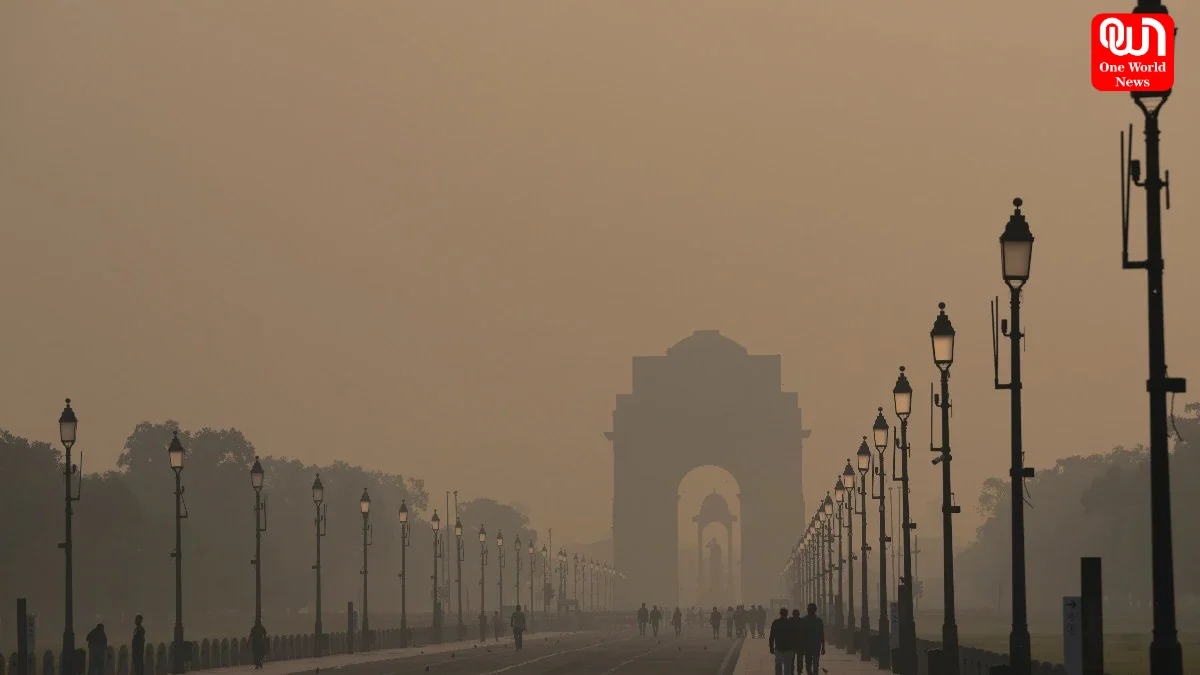
Delhi continued to face air pollution concerns for the third consecutive day on October 24, 2026, with the reported Air Quality Index (AQI) at 180. The situation has drawn attention to Delhi pollution as authorities plan targeted action to control emissions and address pollution hotspots across the national capital. Seasonal weather conditions, smoke from celebrations and other local pollution sources can contribute to deteriorating air quality during this period. Although the citywide AQI reading of 180 falls under the moderate category according to India’s official AQI classification, individual monitoring stations may record higher levels, including readings in the poor category. This variation makes local monitoring important for understanding pollution exposure in different neighbourhoods.
AQI Delhi: What Do the Latest Numbers Mean?
The air quality index measures pollution levels and helps residents assess potential health risks. Fine particulate matter, particularly PM2.5, is a major concern because these tiny particles can penetrate deep into the lungs. Children, older adults and people with respiratory or cardiovascular conditions may be especially vulnerable when pollution levels rise. Under India’s official AQI classification, readings between 101 and 200 fall into the moderate category, while readings between 201 and 300 are considered poor. Therefore, the reported AQI of 180 is moderate at the city level, even if some monitoring stations report poor air quality.
Manjinder Singh Sirsa Plans Targeted Action at Pollution Hotspots
To address the situation, Delhi Environment Minister Manjinder Singh Sirsa has emphasised the need for focused action at identified pollution hotspots. The government plans to direct relevant agencies to identify pollution sources, establish responsibilities and implement corrective measures within specified timelines. Areas affected by road dust, traffic congestion, construction activities and open waste burning require particular attention. The objective is to improve the effectiveness of anti pollution measures by tackling the sources responsible for high pollution levels in specific locations rather than relying exclusively on general citywide instructions.
GRAP Stage I Focuses on Preventive Measures
The Graded Response Action Plan, commonly known as GRAP, is an important part of Delhi-NCR’s pollution control strategy. GRAP Stage I focuses on preventive measures to stop air quality from worsening. These include controlling dust at construction sites, improving road cleanliness, managing construction and demolition waste, preventing open burning and enforcing pollution-control regulations. Authorities are expected to strengthen inspections and coordinate with civic agencies to ensure compliance. Effective implementation is essential because pollution-control instructions can only deliver meaningful results when they are consistently enforced.
Vehicle Pollution Remains a Major Challenge
Vehicle pollution remains a significant contributor to Delhi’s air quality challenges. Traffic congestion, fuel combustion and emissions from poorly maintained vehicles release pollutants into the atmosphere. Authorities can help address these problems through improved traffic management, vehicle-emission checks and enforcement against visibly polluting vehicles. Residents can contribute by maintaining valid Pollution Under Control certificates, avoiding unnecessary vehicle idling, sharing rides and using public transport whenever possible. Greater use of the Delhi Metro and public buses can help reduce the number of private vehicles on busy roads.
Read more: Face-Offs With China in Arunachal Pradesh Still Ongoing: ITBP Chief Praises Shaurya Commandos
However, vehicle emissions are only one part of the wider problem. Construction dust, industrial emissions, waste burning and pollution transported from surrounding regions can also affect the capital’s air quality.
Dust Control and Waste Management Are Key Priorities
Dust management is a key component of the government’s pollution-control efforts. Regular road cleaning, appropriate water sprinkling, covering construction materials and ensuring proper waste disposal can help reduce airborne dust. Municipal authorities also need to prevent rubbish from accumulating in residential and commercial areas and take action against the burning of leaves and garbage. Identifying pollution sources at individual hotspots can help officials determine which interventions are most suitable for each location.
How Can Residents Protect Themselves From Delhi Pollution?
Residents should monitor AQI Delhi updates and take precautions when pollution levels increase. People experiencing respiratory discomfort should follow medical advice and limit strenuous outdoor activity when air quality deteriorates. Individuals with asthma or other existing health conditions may need additional precautions. Checking local pollution readings can also help families make informed decisions about outdoor exercise and children’s activities.
Read more: Gold and Silver Price Today: Gold Falls by ₹600, Silver Drops ₹2,480 | One World News
Public cooperation is essential for supporting the government’s efforts. Avoiding waste burning, maintaining vehicles, following construction-related pollution rules and reporting visible violations can all contribute to cleaner air.
Conclusion
Delhi’s air quality situation highlights the continuing challenge of controlling pollution as seasonal conditions change. With the reported AQI at 180 and targeted hotspot action being planned, the government’s approach will depend on coordinated enforcement, effective dust management and sustained efforts to reduce emissions. The measures associated with GRAP Stage I, alongside action against vehicle pollution and other major sources, can help prevent further deterioration. Consistent implementation and public participation will be crucial to achieving lasting improvements in Delhi’s air quality.
We’re now on WhatsApp. Click to join.
Like this post?
Register at One World News to never miss out on videos, celeb interviews, and best reads.