Iran’s Plots To Kill Americans Abroad Reach ‘Advanced Stages’, US Intelligence Memo Warns
US intelligence warns Iran threats to American personnel have reached advanced stages, prompting State Department embassy security measures.

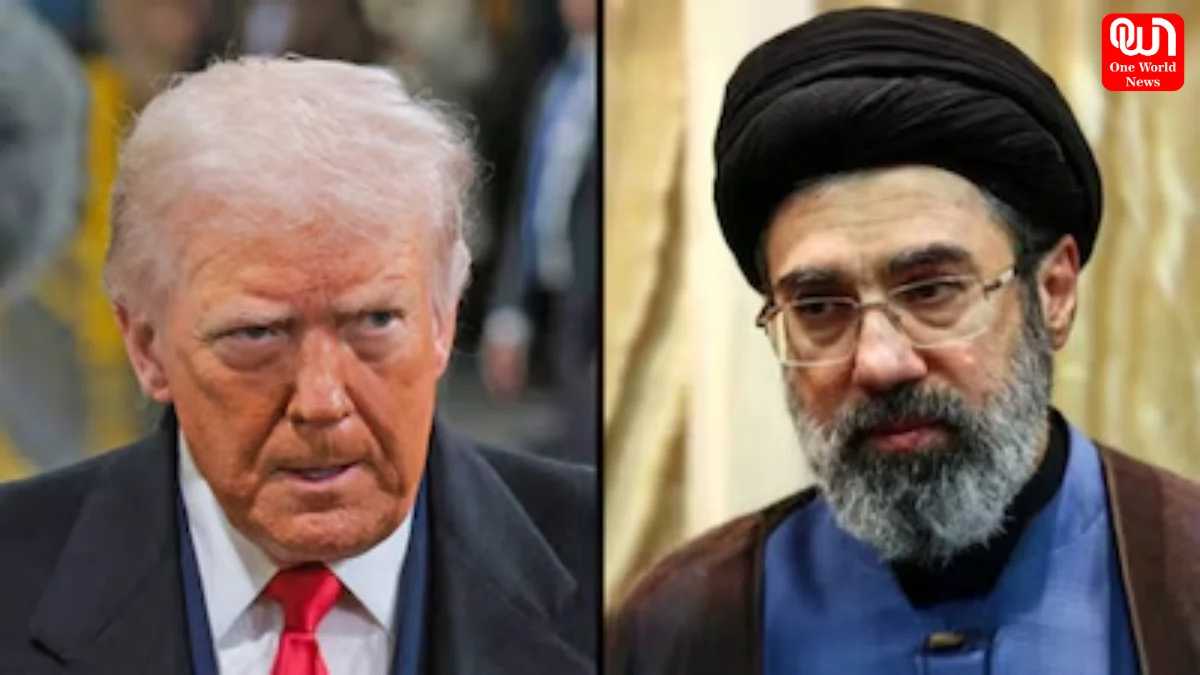
Iran’s Plots to Kill Americans Abroad Reach ‘Advanced Stages’: US Intelligence Warns of Growing Iran Threats to American Personnel, Embassies and Middle East Security
Concerns over international security have intensified after a new US intelligence memo warned that alleged Iranian plots targeting American citizens and officials abroad have reached “advanced stages.” The warning comes amid rising tensions between Washington and Tehran, growing concerns about the safety of diplomatic personnel, and changes to staffing at several US diplomatic missions across the Middle East.
According to reports published on October 23 and 24, 2026, Director of National Intelligence Jay Clayton sent a memo to Secretary of State Marco Rubio highlighting an increase in Iran’s efforts to target US personnel. The assessment has raised fresh questions about regional stability, diplomatic security and the possibility of further escalation between the two countries.
US Intelligence Warns of Advanced Iranian Plots
The intelligence memo states that Iran has substantially increased its efforts to target American personnel. Clayton warned that alleged lethal plotting efforts against US citizens had reached advanced stages in the Middle East and certain other countries.
However, the document does not identify specific individuals, locations outside the Middle East or the nature of the alleged operations. It also does not establish whether an attack is imminent.
The warning is significant because it suggests that US officials believe the threat requires broader attention across government departments. Intelligence agencies are working to make sensitive information available to more personnel who may face potential risks.
The assessment comes at a time when security concerns are influencing US foreign policy and the protection of American officials working overseas.
State Department Reduces Embassy Staffing
Following the intelligence warning, the US State Department has taken additional precautions at diplomatic missions in the region. Staffing reductions have been reported at American embassies in Jordan, Lebanon, Qatar and the United Arab Emirates.
These missions are operating under restricted arrangements, allowing the US government to reduce the number of personnel while keeping diplomatic facilities open.
Read more: Gold and Silver Price Today: Gold Falls by ₹600, Silver Drops ₹2,480 | One World News
The measures differ from the earlier order affecting Saudi Arabia, where nonessential US government employees and their families were directed to leave. The staffing adjustments at the other four locations do not automatically require personnel to depart.
Officials have cited threats linked to Iran and Yemen’s Iran-backed Houthi movement as factors informing their decisions. The measures are intended to address the changing security environment and reduce potential risks to American diplomatic staff.
Why American Personnel Face Growing Security Concerns
American diplomats, government employees and other personnel working overseas can face heightened risks when regional conflicts intensify. Diplomatic missions may become more vulnerable to threats when relations between governments deteriorate or armed groups increase their activities.
In the current situation, US officials are concerned about alleged Iranian plotting as well as the possibility that Houthi attacks could spread beyond Saudi Arabia to other parts of the region.
The wider concern extends beyond embassy buildings. American citizens, government facilities and other US-linked interests overseas may also require additional security precautions during periods of heightened tension.
Nevertheless, the publicly reported memo provides limited operational details. Without information about specific targets or locations, the full scope of the alleged plots remains unclear.
Middle East Security Amid Rising US-Iran Tensions
The intelligence warning comes against the backdrop of an unresolved confrontation between Washington and Tehran. Diplomatic efforts to restore negotiations have faced difficulties, while the possibility of renewed military action has added uncertainty to the regional situation.
US President Donald Trump recently indicated that Washington could consider another military operation if Iran did not agree to a deal. His remarks have reinforced concerns that the current standoff could escalate further.
At the same time, US officials have denied that the embassy staffing reductions are connected to preparations for fresh American or Israeli strikes against Iran. They have instead linked the changes to the reported security threats facing US personnel and diplomatic facilities.
The distinction is important because protective measures do not, by themselves, confirm that a military operation is imminent.
Could the US Launch Another Military Operation?
The possibility of renewed military action remains an important factor in the evolving crisis. President Trump’s comments about another operation, alongside the intelligence warning, have increased uncertainty over the next steps in US-Iran relations.
Any future military operation would carry significant implications for regional security, diplomatic engagement and the safety of civilians. Further escalation could also increase pressure on US military facilities and diplomatic missions throughout the Middle East.
However, the intelligence memo does not announce a military decision or provide a timetable for possible action. Washington’s next moves will depend on security assessments, diplomatic developments and decisions by the administration.
For now, the reported embassy staffing changes reflect an effort to manage identified risks while maintaining essential diplomatic operations.
What the Warning Means for Global Security
The latest development highlights how intelligence assessments can influence diplomatic decisions even before publicly confirmed attacks occur. By reviewing staffing levels and expanding access to threat information, US agencies can take preventive measures to protect personnel.
The situation could also affect international travel, business confidence and regional economic stability if tensions continue to rise. Concerns about the security of shipping routes, military facilities and diplomatic operations may remain central to international discussions.
For American citizens overseas, official travel advisories and embassy security announcements are particularly important sources of information. Security conditions can change quickly during a regional crisis, making updated guidance essential.
At the same time, the absence of publicly disclosed targets means that the warning should not be interpreted as confirmation that attacks will occur at specific locations.
Read more: Face-Offs With China in Arunachal Pradesh Still Ongoing: ITBP Chief Praises Shaurya Commandos
Conclusion
The US intelligence warning about alleged Iranian plots against American personnel has intensified concerns over Middle East security. The reported assessment that some plots have reached advanced stages has prompted renewed attention to embassy safety, intelligence sharing and the protection of US officials abroad.
With the State Department adjusting staffing at several diplomatic missions and Washington weighing its options toward Tehran, the situation remains uncertain. The immediate priority is to protect American personnel while avoiding assumptions about attacks or military action that have not been confirmed.
Further developments in intelligence assessments and diplomatic negotiations will help determine whether tensions ease or the confrontation enters another dangerous phase.
We’re now on WhatsApp. Click to join.
Like this post?
Register at One World News to never miss out on videos, celeb interviews, and best reads.