‘Partnership, Not Alliance’: Jaishankar On India-US Ties And The Bigger Shift Behind Tariffs
Partnership, Not Alliance’: S Jaishankar Explains India US Relations, Strategic Partnership, US Foreign Policy, Trade Tariffs And The Changing Global Order

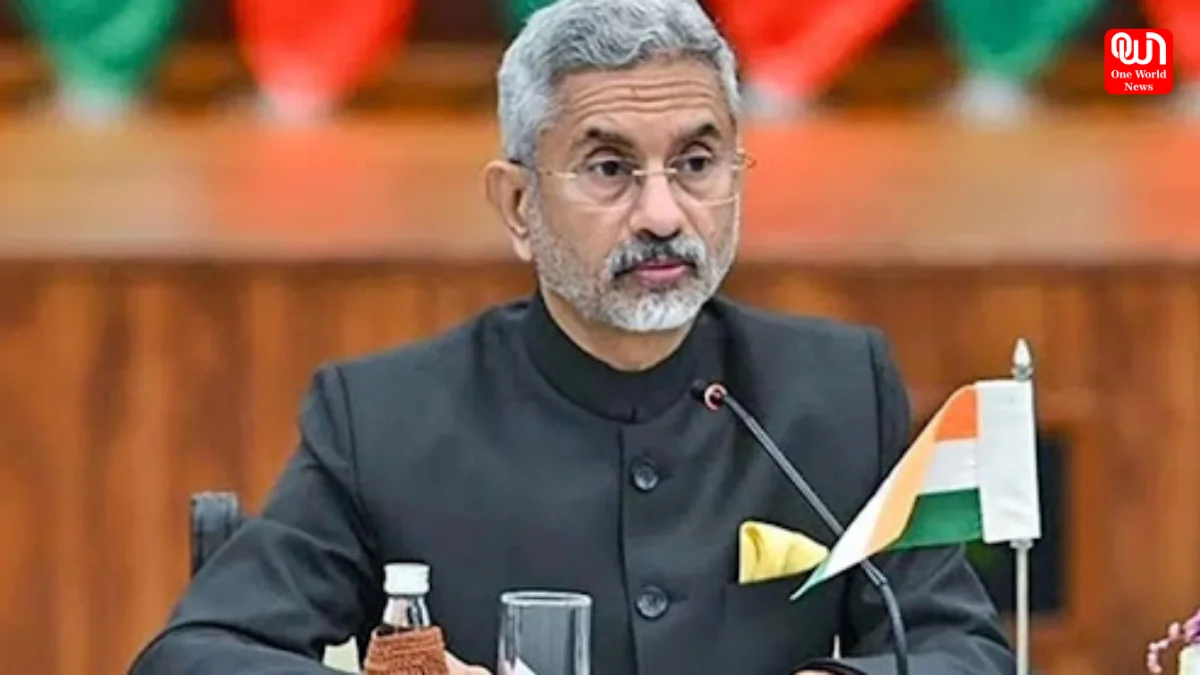
S Jaishankar explains India US relations, trade tariffs, energy cooperation, Marco Rubio’s India visit and the changing global order in 2026
India and the United States share a significant relationship built on trade, technology, defence and strategic cooperation. However, recent disagreements over tariffs, energy imports and foreign policy have highlighted the complexities of their partnership. External Affairs Minister S Jaishankar has underlined an important distinction while describing the relationship: India and the US have a strategic partnership, but they are not formal allies.
His remarks come at a time when Washington is reassessing its approach to international relations and New Delhi is strengthening its position as an independent global power. With trade negotiations facing challenges and US Secretary of State Marco Rubio preparing to visit India, the future of bilateral relations has become an important diplomatic issue.
According to reports published on October 14, 2026, Jaishankar also expressed optimism about the direction of trade negotiations, suggesting that both countries are working towards resolving outstanding differences.
S Jaishankar Says India-US Ties Are Based On Partnership
Jaishankar’s statement that a strategic partnership is not an alliance reflects India’s long-standing foreign policy approach. New Delhi seeks strong relationships with major global powers while retaining the freedom to make decisions according to its national interests.
A partnership allows India and the United States to cooperate on shared priorities without requiring complete agreement on every international issue. The two countries work together on defence, emerging technologies, maritime security, economic development and stability across the Indo-Pacific region.
However, differences remain over trade policy, relations with Russia and energy security. India has consistently maintained that its foreign policy decisions must reflect its economic requirements and strategic priorities.
The distinction is particularly important as the international environment becomes more competitive. India wants to expand cooperation with Washington without compromising its strategic autonomy.
US Foreign Policy And The Changing Global Order
Jaishankar has also highlighted broader structural changes in US foreign policy. According to his assessment, the United States is changing how it engages with the world, creating new responsibilities and challenges for other major powers.
The shift extends beyond individual political leaders or a single administration. Washington’s greater emphasis on domestic manufacturing, economic interests and reciprocal trade arrangements has influenced its relationships with several countries, including India.
At the same time, China’s growing influence and increasing geopolitical competition are reshaping international relations. Countries are increasingly required to balance economic interdependence with national security concerns.
For India, this changing global order creates both opportunities and risks. New Delhi can strengthen cooperation with the United States while deepening engagement with Europe, Russia and other partners. This diversified approach helps India avoid excessive dependence on any single country.
Trade Tariffs Remain A Major Challenge
Trade tariffs have emerged as one of the most difficult issues in India US relations. Both countries want stronger economic cooperation, but disagreements over market access, import duties and domestic industry protections have complicated negotiations.
According to Reuters reporting published on October 6, 2026, efforts to finalise a bilateral trade agreement had stalled again after months of negotiations. The discussions have involved reducing trade barriers and improving access to each other’s markets.
India wants better tariff treatment for its exporters while protecting sensitive sectors, particularly agriculture and dairy. The United States, meanwhile, has sought greater access to India’s market and measures to address its concerns about the bilateral trade balance.
Tariffs can influence the competitiveness of Indian products in the American market, affecting exporters, manufacturers and businesses that depend on international demand. Uncertainty surrounding future duties can also delay investment decisions.
Despite these challenges, Jaishankar’s comments indicate that India remains interested in reaching a mutually acceptable agreement. Progress will depend on whether both sides can reconcile their economic priorities without making concessions that undermine their core interests.
Marco Rubio India Visit: A Fresh Opportunity For Dialogue
The upcoming visit of US Secretary of State Marco Rubio could provide an opportunity to address several outstanding concerns. Reuters reported on October 13 that Rubio was scheduled to begin a five-day visit to India and Uzbekistan on Saturday, October 17, with his India programme including Mumbai and Jamnagar.
The discussions are expected to cover regional and global developments, alongside prospects for stronger energy cooperation. The visit comes amid continuing trade disagreements and concerns about Washington’s approach towards countries purchasing Russian energy.
For both governments, the meetings could help maintain diplomatic engagement despite differences. India is interested in expanding trade and technology cooperation, while the United States wants to strengthen economic and strategic engagement with a major Indo-Pacific partner.
However, a diplomatic visit alone may not resolve every disagreement. Progress will depend on practical discussions, mutual understanding and the willingness of both countries to find workable solutions.
Energy Cooperation And India’s Strategic Autonomy
Energy cooperation is another important aspect of the bilateral relationship. India needs reliable and affordable energy supplies to support its large population, manufacturing sector and growing economy.
New Delhi has therefore diversified its sources of crude oil and other energy resources. Russian oil purchases have become a particularly sensitive issue because Washington has sought to discourage economic engagement that it believes supports Moscow’s war against Ukraine.
India, however, has emphasised its energy security requirements and the importance of making independent decisions about its imports. Potential US measures targeting countries purchasing Russian energy have added another layer of uncertainty to trade negotiations.
At the same time, greater energy cooperation between India and the United States could create opportunities for both sides. India can explore additional supplies and technology, while American businesses can seek a larger role in the Indian energy market.
The challenge is to expand cooperation without turning energy purchases into a source of persistent diplomatic friction.
Why India Wants Strong Relations With Multiple Powers
India’s approach to the United States cannot be understood without considering its wider foreign policy. New Delhi maintains relationships with several major powers because its economic and security interests extend across different regions.
Its longstanding relationship with Russia includes defence, energy, nuclear cooperation and other areas. Meanwhile, engagement with Europe offers opportunities in trade, investment, renewable energy and technology.
India also works with the United States on strategic priorities in the Indo-Pacific, including maritime security and regional stability. These relationships can coexist even when the partners disagree on particular international developments.
read more: 13 October Veronica Gold Update: Gold And Silver Prices Record Marginal Gains
This approach reflects India’s preference for strategic autonomy rather than rigid alignment with one power bloc. It also recognises that today’s global challenges often require countries with different political interests to cooperate where their priorities overlap.
As Jaishankar has argued, the changing international system requires major powers to take greater responsibility for shaping global outcomes.
What Lies Ahead For India-US Relations?
The future of India US relations will depend on how effectively both governments manage disagreements while protecting areas of shared interest.
A trade agreement could provide greater certainty for exporters, manufacturers and investors. Progress in energy cooperation could strengthen commercial ties, while continued defence and technology engagement could support broader strategic objectives.
Nevertheless, tariffs, Russian energy purchases and differences over international policy will remain important challenges. Both countries will need to recognise that a strong partnership does not require complete agreement on every issue.
For India, maintaining an independent foreign policy while expanding international cooperation will remain a priority. For the United States, a constructive relationship with India offers opportunities to deepen engagement with one of the world’s largest economies.
Read more: With Indus Waters Treaty On Hold, Pakistan Projects 22% Water Shortage This Season
Conclusion
S Jaishankar’s statement, “Partnership, Not Alliance,” captures the central principle behind India’s relationship with the United States. The two countries have substantial common interests, but their partnership operates alongside independent national priorities and occasional disagreements.
Trade tariffs and energy disputes have complicated the relationship, yet ongoing diplomatic engagement offers opportunities for progress. Marco Rubio’s upcoming India visit could help maintain dialogue on these issues.
Ultimately, the strength of India-US relations will depend not on the absence of disagreements but on the ability of both countries to manage them. As the global order evolves, a practical, balanced and mutually beneficial strategic partnership could become increasingly important for both nations.
We’re now on WhatsApp. Click to join.
Like this post?
Register at One World News to never miss out on videos, celeb interviews, and best reads.