New Mum Parineeti Chopra Asks Why ‘Mother Is The Default Parent’ Has Become The Norm
Actress Parineeti Chopra questions why mothers are default parents, highlighting parenting equality, lifestyle changes and shared responsibilities.

New Mum Parineeti Chopra Questions Why Mothers Are Considered the Default Parent: A Fresh Take on Lifestyle, Parenting, Career and Shared Responsibilities
Motherhood is often described as one of the most beautiful experiences in a woman’s life, but it also brings responsibilities that can significantly change her personal and professional routine. Bollywood actress Parineeti Chopra has raised an important question about modern parenting: why is the mother still considered the default parent?
In a recent interview with Gulf News published on October 12, 2026, Parineeti spoke about the unequal expectations placed on mothers after childbirth. She questioned why women are generally expected to make major lifestyle and career adjustments while fathers are not subjected to the same pressure. Her comments have brought renewed attention to shared parenting and the need to challenge traditional family roles.
The discussion is especially relevant for working parents, as many women continue to balance professional ambitions with childcare and household responsibilities.
Why Has the Mother Become the Default Parent?
The idea of a default parent refers to the person who is automatically expected to manage most of a child’s everyday needs. This may include feeding, arranging appointments, remembering school schedules, managing bedtime routines and making decisions about childcare.
In many families, these responsibilities fall disproportionately on mothers, even when both parents work full-time. Society often assumes that mothers naturally understand children’s needs better or should be more willing to sacrifice their personal ambitions.
Parineeti Chopra challenged this expectation by highlighting that both parents share responsibility for their child. When parenting becomes an unequal arrangement, mothers can experience exhaustion, stress and guilt, while fathers may miss opportunities to develop equally strong caregiving relationships.
Her message encourages families to reconsider what responsible parenting should look like in everyday life.
Parineeti Chopra on Shared Parenting With Raghav Chadha
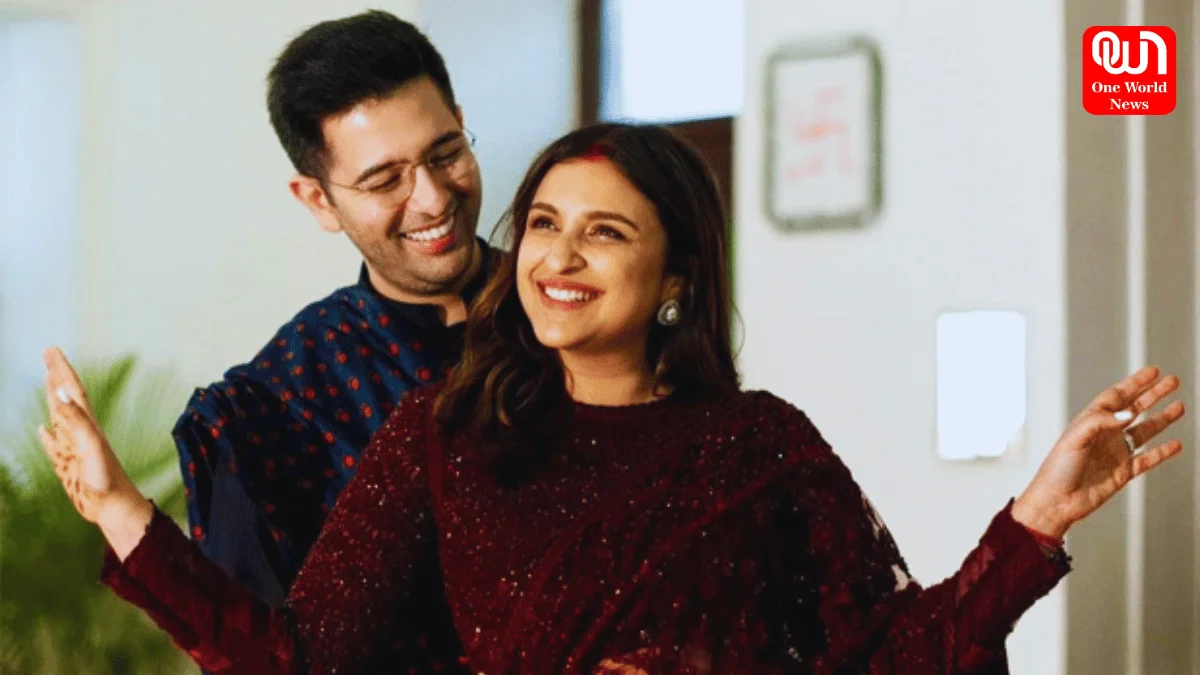
Parineeti welcomed her son, Neer, with her husband, politician Raghav Chadha, in October 2025. Since becoming a mother, the actress has spoken publicly about the emotional challenges of motherhood, returning to work and the expectations surrounding new mothers.
Her latest comments reflect a wider conversation about the importance of fathers taking an active role in childcare. Shared parenting is not simply about helping the mother occasionally; it means both parents take ownership of the child’s everyday needs.
This includes dividing night-time duties, attending medical appointments, planning family schedules and making decisions together. Such an approach can reduce the pressure on one parent while helping children build secure relationships with both their mother and father.
Parineeti’s views also challenge the tendency to praise fathers excessively for performing routine parenting tasks that are often expected from mothers without recognition.
The Impact of Unequal Parenting on Working Mothers
For working women, becoming a parent can introduce additional challenges. Returning to work may involve managing separation anxiety, organising childcare and dealing with the expectation that professional responsibilities should never interfere with family life.
Mothers can also experience guilt when they spend time away from their children, while fathers are less frequently questioned about similar decisions. This double standard can influence women’s confidence, career choices and long-term financial independence.
A healthier parenting culture recognises that both parents have professional ambitions, personal needs and caregiving responsibilities. Employers can contribute by offering flexible working arrangements, parental leave and supportive policies for new parents.
Families can also make a difference by discussing responsibilities openly rather than assuming that mothers will automatically handle everything.
Why Equal Parenting Matters for Children and Families
Shared parenting benefits the entire family. When both parents participate in everyday caregiving, children can develop meaningful relationships with each of them. They also observe a more balanced understanding of partnership, responsibility and respect.
For mothers, sharing responsibilities can create more opportunities for rest, career development and personal interests. Fathers, meanwhile, can become more confident and involved caregivers rather than being treated as occasional helpers.
Equal parenting does not require every task to be divided precisely in half every day. Different work schedules, health needs and family circumstances may require flexibility. What matters is that the arrangement remains fair, mutually agreed upon and responsive to both parents’ needs.
Parineeti Chopra’s Career and Motherhood Journey
Known for films such as Ishaqzaade, Hasee Toh Phasee, Shuddh Desi Romance and Amar Singh Chamkila, Parineeti has built a varied career in Hindi cinema. Her journey as a new mother has also brought attention to the challenges actresses face when returning to work after childbirth.
Searches for Parineeti Chopra age, Parineeti Chopra movies and Parineeti Chopra son reflect public interest in both her professional journey and personal milestones. Born on October 22, 1988, the actress is 37 years old as of October 2026.
Her experience adds another dimension to the discussion about women balancing professional goals with family life. Motherhood should not automatically mean giving up a career, just as fatherhood should not be treated as a reason to avoid equal caregiving responsibilities.
Read more: Yami Gautam Does Royal Blue, Gold And Intricate Embroidery For Nayyi Navelli Promotions
Conclusion
Actress Parineeti Chopra’s comments highlight a simple but important question about lifestyle and parenting: why should mothers be expected to carry the greater share of responsibility when both parents bring a child into the world?
Changing this mindset requires more than supportive words. It calls for practical arrangements, shared decision-making and a willingness to recognise caregiving as a joint responsibility.
By questioning the idea of the mother as the default parent, Parineeti has contributed to a conversation that affects families far beyond Bollywood. The goal is not to reduce the importance of mothers but to ensure that motherhood does not become an unfair burden—and that fathers are recognised as equally responsible parents.
We’re now on WhatsApp. Click to join.
Like this post?
Register at One World News to never miss out on videos, celeb interviews, and best reads.