Rupee Surges 94 Paise to 95.77 Against US Dollar at Open as RBI Curbs Dollar Demand
Rupee exchange rate jumps to 95.77 as RBI curbs dollar demand, tightens forex hedging rules and acts to control volatility amid West Asia tensions.

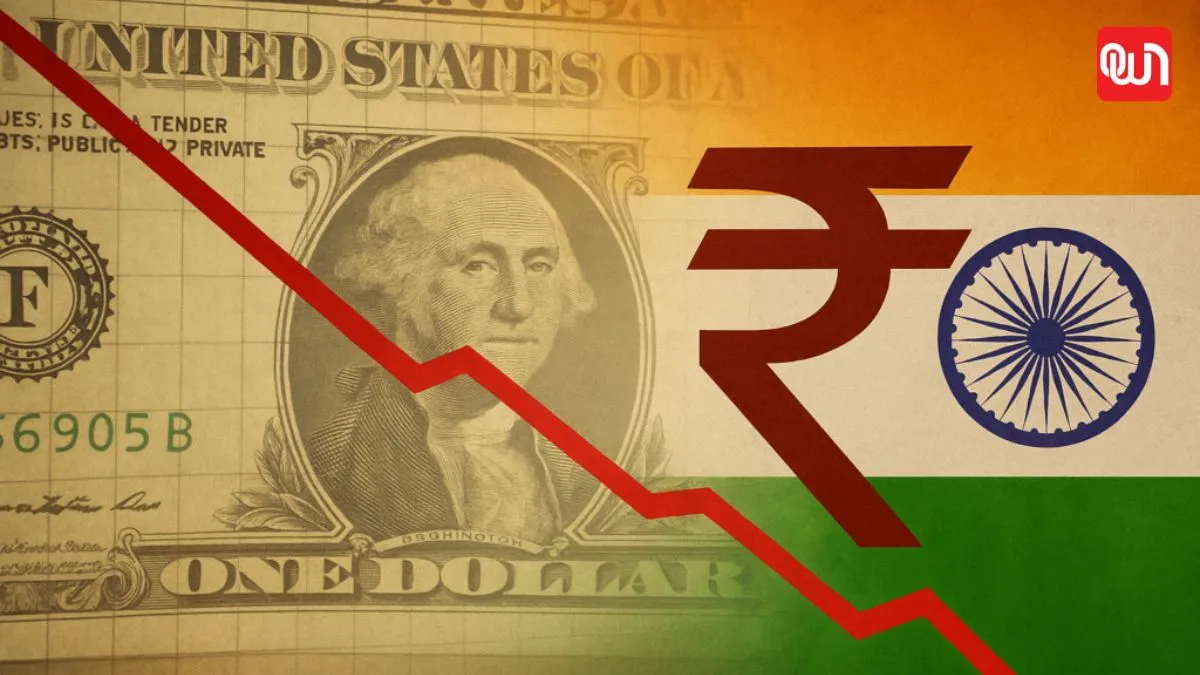
Rupee exchange rate jumps to 95.77 as RBI curbs dollar demand, tightens forex hedging rules and acts to control volatility amid West Asia tensions.
India foreign exchange reserves remain central to the RBI’s ability to manage currency volatility. According to reported central bank data, reserves fell to approximately $734.6 billion in the week ended October 2, 2026, following a substantial decline in the preceding weeks.
The reduction reflects the pressure associated with currency management and changing international capital flows. When the RBI supplies dollars to support the rupee, its foreign exchange reserves can come under pressure, although reserve movements also depend on valuation changes and other transactions.
The central bank must balance the need to stabilise the currency against the importance of maintaining an adequate reserve buffer for external payments and financial stability.
Rupee Volatility and the West Asia Crisis
The rupee volatility West Asia crisis connection has become increasingly important for India’s economy. Higher crude oil prices raise the cost of energy imports, increasing India’s requirement for dollars and potentially widening pressure on the country’s external balances.
Geopolitical tensions can also influence investor confidence, global oil supply expectations and demand for safe-haven assets such as the US dollar. When foreign investors reduce their exposure to Indian financial markets, additional dollar outflows can weaken the rupee.
Although the RBI’s measures may ease immediate market pressure, sustained stability will depend on developments in global energy markets, foreign investment flows and international monetary conditions.
What the Rupee’s Recovery Means for Businesses and Consumers
A stronger rupee can offer some relief to businesses that depend on imported crude oil, machinery, electronics and other dollar-priced goods. If the currency remains stronger, import costs may become more manageable, potentially reducing some inflationary pressures.
Indian students studying abroad and families sending money overseas may also benefit from a stronger rupee when converting their funds into foreign currencies.
However, exporters may receive fewer rupees for their dollar earnings when the exchange rate strengthens, while companies that have already entered into foreign exchange contracts may experience different outcomes depending on their positions.
Businesses should therefore focus on managing currency exposure rather than assuming that the latest rally will continue.
Outlook: Can the Rupee Sustain Its Gains?
The rupee’s sharp opening on October 12 signals that the RBI’s measures have influenced market sentiment. Nevertheless, the sustainability of the recovery remains uncertain.
Investors will watch crude oil prices, foreign portfolio investment, the dollar index, India’s foreign exchange reserves and the effectiveness of the new hedging restrictions. The impact on market liquidity and forward premiums will also be important as banks and companies adjust to the revised rules.
The central bank’s immediate objective is to reduce excessive dollar demand and discourage speculative pressure while maintaining an orderly foreign exchange market. Whether the rupee can build on its recovery will ultimately depend on both policy support and improvements in underlying economic conditions.
Conclusion
The rupee’s 94-paise surge to around ₹95.77 against the US dollar marks a significant recovery following the RBI’s latest currency-support measures. The dedicated dollar facility for oil companies, tighter derivative rules and higher costs for certain hedging transactions have helped improve near-term sentiment.
However, the rupee exchange rate remains exposed to elevated oil prices, global financial uncertainty and capital flows. The RBI’s actions can ease immediate pressure, but lasting stability will require a more favourable external environment and sustained confidence in India’s economic outlook.
We’re now on WhatsApp. Click to join.
Like this post?
Register at One World News to never miss out on videos, celeb interviews, and best reads.