Instant Loan Online: What Can Cause an Application to Be Rejected Even After Pre-Approval?
Getting pre-approval for an instant loan online can feel like the application is almost complete, but pre-approval is not always the same as final approval or disbursal.

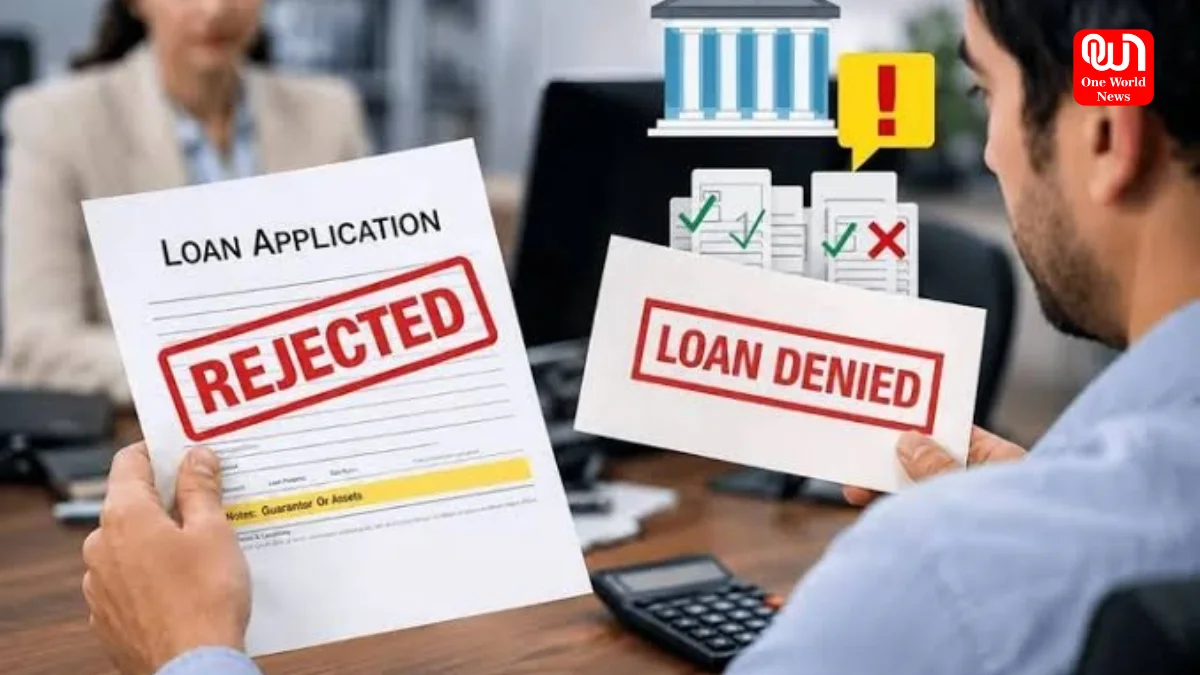
Getting pre-approval for an instant loan online can feel like the application is almost complete, but pre-approval is not always the same as final approval or disbursal. A lender may still verify your identity, income, credit profile and other details before releasing the money. If something does not match the information used for the initial assessment, the application can be declined later.
So, what can cause a lender to change its decision after pre-approval? Let’s look at the factors that can affect the final assessment and what you can check if your application does not move forward.
What is Pre-Approval?
A pre-approved offer is generally based on information available to the lender at that point. The lender may still need to complete KYC, verify documents, assess repayment capacity or run additional checks before the loan is finally sanctioned.
RBI’s digital lending framework requires regulated entities to assess a borrower’s creditworthiness using information such as income and occupation before extending a digital loan.
Mismatch of KYC or Personal Details
An application can face problems if the information submitted during final verification does not match the lender’s records or documents. Common examples include:
- Different names or dates of birth across documents
- Incorrect PAN or Aadhaar details
- Address information that cannot be verified
- An incomplete or unsuccessful digital KYC process
KYC helps the lender confirm that the person applying is the same person whose financial information is being assessed.
Tip: Use a trusted online loan app to complete digital KYC and check that the details such as the Aadhar card or PAN card number entered in the application match your identity documents exactly. Even a small difference can lead to additional verification.
The income stated during an initial application may need supporting evidence before final approval. If salary details, bank transactions or other income records do not support the information provided, the lender may reassess the application.
For salaried borrowers, this can involve checking salary credits, recent payslips or other income information. Self-employed applicants may be asked for bank statements, ITRs or business records. The exact documents and period required vary by lender and borrower profile.
Read More: Bitcoin Jumps 5% to Reclaim $81,000; Analysts See $82,500 Breakout As Key
Change of Credit Profile in the Final Assessment
A pre-approved offer can change if the final credit assessment finds information that affects repayment risk. This could include a recent missed payment, a newly reported loan, increased outstanding debt or information that was not available during the initial eligibility check. Your credit report can also contain updated information after the initial offer was generated. An earlier indication of eligibility therefore does not automatically guarantee final sanction.
Existing Debt Affecting Repayment Capacity
A lender looks at what you already owe as well as the new loan. Existing EMIs reduce the portion of your monthly income available for another repayment. For example, if your monthly income is ₹60,000 and you already pay ₹20,000 towards existing EMIs, the lender cannot assess the new loan as though the full ₹60,000 were available. Other regular obligations and the proposed EMI also matter.
Incomplete or Inconsistent Documents
Even when a loan appears pre-approved, missing or unclear documents can stop the application from moving forward. A blurred document, expired identification document, missing page in a statement or mismatch between the application and supporting records can require additional verification.
Before submitting documents through a trusted loan app, check that your name, date of birth, address and financial information are consistent. RBI’s fair-practice guidance says lenders should properly assess credit applications and inform borrowers when additional details or documents are required.
Change of Eligibility During Verification
Pre-approval does not remove the lender’s eligibility conditions. The final assessment may identify an issue with age, employment or business status, income, residence, existing obligations or another requirement of the particular loan product.
This can happen when the first-stage result is based on limited information and later verification provides a different picture.
Additional Verification Checks
Digital lenders may conduct additional checks to identify suspicious applications, unusual account activity or inconsistencies in the information provided. Borrowers can be asked for additional verification if the system cannot confirm certain details. This does not necessarily mean something is wrong with the borrower. It can simply mean the lender needs more information before proceeding.
What to Do After a Loan Application is Rejected?
If the application is rejected, check the lender’s communication for the stated reason and whether additional information can resolve the issue. RBI’s fair-practice framework requires lenders to communicate the main reasons for rejection after due consideration.
Before reapplying for an instant loan online, correct any document mismatches, check your credit report and review existing loan obligations before considering another application. This gives you a better chance of addressing the actual issue and making the loan process smooth and hassle-free.
We’re now on WhatsApp. Click to join.
Like this post?
Register at One World News to never miss out on videos, celeb interviews, and best reads.