Supreme Court Takes Suo Motu Cognisance of Delhi-NCR Rape Incidents, Raises Women Safety Concerns
Supreme Court takes suo motu cognisance of Delhi-NCR rape incidents, urging safer public spaces, action on high-risk zones and improved women safety.

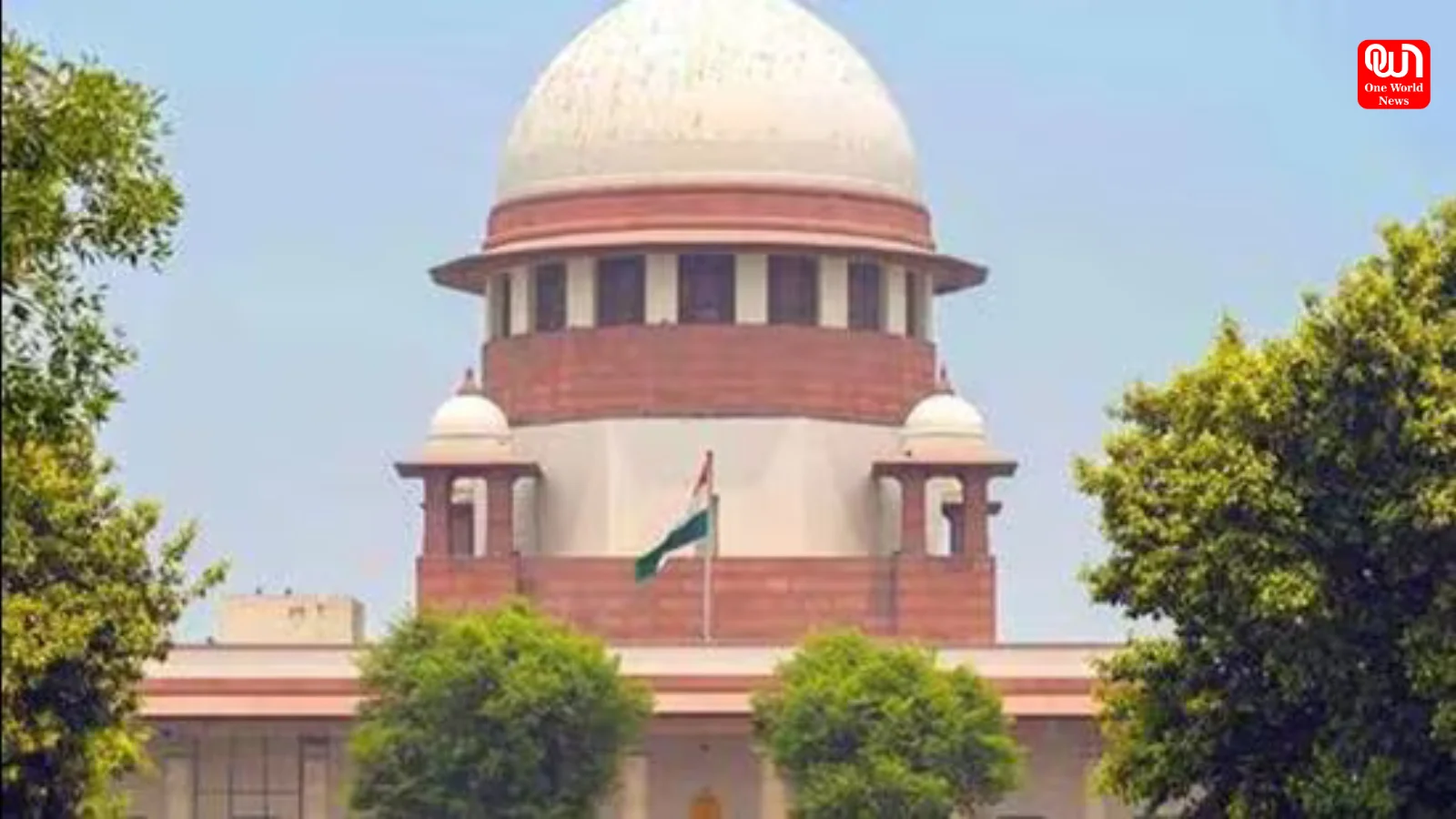
‘Painful Parallels To Nirbhaya Case’: SC Takes Suo Motu Cognisance Of Delhi-NCR Rape Cases
The Supreme Court of India has taken suo motu cognisance of recent rape and sexual assault cases reported across Delhi-NCR, expressing serious concerns over women’s safety in public spaces. The court’s intervention follows reports of multiple incidents involving women and minors, including an alleged gang rape at Aastha Kunj Park near Kalkaji in Delhi.
On September 28, 2026, a bench comprising Justices JB Pardiwala and K Vinod Chandran took note of the incidents and sought a response from the Delhi Police. The court highlighted the need to ensure that parks, roads and public transport do not become high-risk zones for women and children.
The matter has drawn attention to persistent concerns surrounding public safety, policing and preventive security measures in the national capital.
Supreme Court Draws Painful Parallels With the Nirbhaya Case
The Supreme Court’s observations have revived public discussion about the 2012 Nirbhaya case, which brought nationwide attention to sexual violence and women’s safety in India.
The recent incidents have raised questions about the effectiveness of safety arrangements in public areas, particularly locations frequented by students, commuters and working women.
By taking suo motu cognisance, the Supreme Court has brought the reported cases before itself without waiting for a formal petition. Its intervention places renewed focus on the responsibility of law enforcement agencies to prevent sexual assault and respond effectively to complaints.
The court’s observations underline the importance of addressing security gaps before vulnerable public locations become sites of serious crimes.
Recent Rape Incidents Reported Across Delhi-NCR
The Supreme Court took note of several reported cases involving women and minors in the Delhi-NCR region.
These include:
-
Aastha Kunj Park incident: A 17-year-old girl was allegedly gang-raped at Aastha Kunj Park near Kalkaji, close to Lady Shri Ram College in Delhi.
-
Swaroop Nagar case: Another reported incident involved the alleged gang rape of a minor in Swaroop Nagar.
-
Greater Noida-Delhi bus incident: Reports also highlighted the sexual assault of a minor inside a bus travelling from Greater Noida to Delhi.
These incidents have intensified concerns about women’s safety in parks, public transport and other shared spaces. The allegations remain subject to investigation and legal proceedings.
Public Spaces Must Not Become High-Risk Zones
One of the central concerns raised by the Supreme Court relates to the safety of public spaces. Parks, roads, bus stops, public transport and pedestrian routes are essential parts of everyday life, particularly for students and working professionals.
The court emphasised that such locations must not become unsafe because of inadequate policing, poor surveillance or insufficient security arrangements.
The issue extends beyond isolated criminal incidents. It also involves examining whether public infrastructure and security systems are adequately designed to protect people who use these facilities.
Several factors can contribute to safety concerns, including:
-
Inadequate lighting in parks and public pathways.
-
Limited police patrolling in vulnerable locations.
-
Poor surveillance coverage in isolated areas.
-
Insufficient security arrangements at public transport facilities.
-
Delayed reporting or response to complaints of harassment and sexual assault.
Addressing these concerns requires coordination between police authorities, municipal bodies and agencies responsible for maintaining public infrastructure.
Delhi Authorities Order Safety Audits of Parks
Following the alleged gang rape at Aastha Kunj Park, Delhi Lieutenant Governor Taranjit Singh Sandhu directed a comprehensive safety audit of parks across the national capital.
The September 23 directive instructed authorities to examine lighting, security arrangements, cleanliness and police patrolling. The meeting involved representatives from the Municipal Corporation of Delhi, Delhi Police and Delhi Development Authority.
The safety audit is significant because it focuses on identifying vulnerabilities in public spaces rather than responding only after an incident occurs.
Regular inspections, functional lighting, visible security personnel and timely maintenance can form part of a broader public safety strategy.
Police Action and Security Measures in Vulnerable Areas
Delhi Police has also intensified area-domination and search operations following the reported South Delhi park incident.
According to a September 24 report, police teams checked parks, subways, foot-over bridges, flyovers and other locations identified as vulnerable. The operations were intended to increase police visibility and prevent unlawful activities.
Such measures highlight the importance of preventive policing in areas frequently used by students, commuters and residents.
However, effective women safety initiatives require consistent implementation, coordination between agencies and accessible reporting mechanisms.
Why Women’s Safety Requires Long-Term Attention
The Supreme Court’s suo motu cognisance has brought renewed attention to the relationship between public infrastructure, policing and women’s safety.
For women and girls, access to public spaces is closely connected with education, employment, mobility and independence. Safety concerns can affect everyday decisions, including travelling alone, using public transport or visiting parks after dark.
Preventive measures must therefore address both immediate security gaps and the broader conditions that allow sexual harassment and assault to occur.
Public awareness, community participation, responsive law enforcement and regular safety assessments can contribute to safer environments.
What Happens Next in the Supreme Court Proceedings?
The Supreme Court has sought a response from Delhi Police regarding the recent incidents and concerns surrounding public safety. The proceedings bring institutional attention to the reported cases and the security arrangements in Delhi-NCR.
Further developments will depend on the responses submitted by the authorities and the court’s subsequent directions.
The matter also places focus on the implementation of preventive measures, including improved surveillance, regular patrolling and safer public infrastructure.
Conclusion
The Supreme Court’s suo motu cognisance of recent Delhi-NCR rape incidents has renewed the conversation around sexual assault prevention and women’s safety.
The painful parallels drawn with the Nirbhaya case underline the continuing importance of effective policing, secure public spaces and institutional accountability.
As legal proceedings continue, sustained attention to high-risk zones, preventive security and coordinated action by authorities will remain central to addressing concerns about safety across Delhi-NCR.
We’re now on WhatsApp. Click to join.
Like this post?
Register at One World News to never miss out on videos, celeb interviews, and best reads.