Three-Day Bank Strike Deferred At The Last Moment: Here’s What Changed On Sunday
Bank strike deferred after UFBU-IBA talks on five-day banking week, Saturdays off and performance-linked incentive. Check what changed on Sunday.

Three-Day Bank Strike Deferred at the Last Moment: UFBU and IBA Reach Understanding on Five-Day Banking Week, Saturdays Off and Performance-Linked Incentive
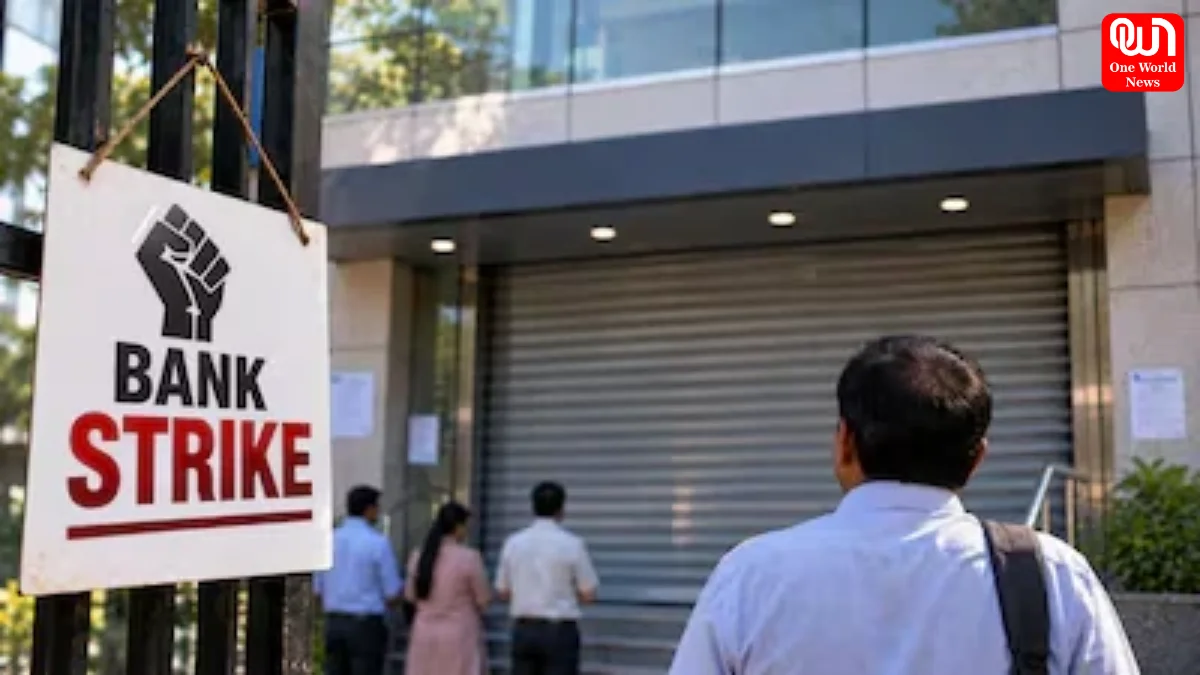
The proposed three-day nationwide bank strike scheduled for September 28–30, 2026, was deferred following last-minute discussions between bank unions and the Indian Banks’ Association (IBA) on Sunday night. The decision came after negotiations over the long-pending demand for a five-day banking week and other employee-related concerns.
The development brought relief to customers who were preparing for possible disruptions to banking services during the beginning of the week. The United Forum of Bank Unions (UFBU) announced that a high-level committee would be formed to discuss the remaining Saturdays as holidays and explore solutions acceptable to employees, banks and customers.
Here’s a detailed look at what changed on Sunday, why the strike was deferred and what customers and bank employees should know.
Why Was the Three-Day Bank Strike Planned?
The UFBU had called for a nationwide bank strike from September 28 to September 30, 2026, primarily demanding the implementation of a five-day banking week.
Bank unions have been seeking a change in the existing working schedule, under which bank branches generally remain open on the first, third and fifth Saturdays of each month. The demand is to declare all Saturdays as holidays, making Sunday the regular weekly holiday alongside a five-day working week.
The issue has remained under discussion since the March 2024 wage revision settlement. The settlement recorded an understanding between the IBA and bank unions regarding holidays on all Saturdays, subject to government approval and the necessary regulatory clearances.
What Happened During Sunday’s Last-Minute Meeting?
The crucial development occurred during a late-night meeting between representatives of the UFBU and IBA on September 27.
According to reports, the meeting began around 9:30 PM. Following discussions, both sides agreed to establish a high-level committee to examine the five-day banking week proposal and the possibility of declaring the remaining Saturdays as holidays.
The committee will explore possible alternatives, consult relevant stakeholders and work towards a mutually acceptable solution, with particular consideration for bank customers.
Following this understanding, the UFBU deferred the planned three-day bank strike.
However, the development does not mean that all Saturdays have immediately become bank holidays. The proposal still requires further discussions and the applicable approvals.
Five-Day Banking Week: What Is the Current Status?
The five-day banking week remains the central issue behind the latest negotiations.
Currently, bank branches generally operate on the first, third and fifth Saturdays, while the second and fourth Saturdays are holidays. The proposed change would extend the Saturday holiday arrangement to every week.
The formation of the committee provides a structured platform for discussions between the IBA and UFBU.
For customers, the important point is that regular banking schedules remain applicable unless an official announcement confirms a change. Customers should therefore continue checking their bank’s holiday calendar before planning branch visits.
What Changed Regarding Performance-Linked Incentive?
Apart from the five-day banking week, the discussions also addressed the performance-linked incentive (PLI) scheme.
The scheme has faced objections from bank unions, particularly regarding its applicability to officers in Scale IV and above. During the latest discussions, it was agreed that conversations could begin with the IBA to propose modifications to the government to address observations raised by unions and associations.
The issue remains part of the broader discussions concerning employee benefits and compensation structures.
The latest understanding does not establish an immediate revision to the PLI scheme. Any proposed changes would require further consideration through the relevant process.
Why Were Banks Open on Sunday, September 27?
In anticipation of the proposed strike, the Ministry of Finance had announced that Public Sector Banks and Regional Rural Banks would operate normally on Sunday, September 27.
The decision was intended to minimise inconvenience to customers because the proposed strike followed the weekend holidays, potentially extending the disruption to banking services over several consecutive days. The RBI approved the operation of bank branches, offices, ATM-linked branches and currency chests on that Sunday.
The Sunday working arrangement was announced before the strike was deferred. It was a precautionary measure to help customers complete essential banking activities.
Will Banking Services Be Affected Now?
With the three-day bank strike deferred, the anticipated nationwide disruption from September 28 to September 30 has been avoided for now.
Customers can continue using regular banking channels, including:
-
Bank branches operating according to their published schedules.
-
ATMs and cash withdrawal facilities.
-
Internet banking and mobile banking applications.
-
UPI and other digital payment services.
-
Online fund transfers and bill payment facilities.
However, customers should remember that the strike’s postponement does not automatically change bank working hours or Saturday holiday arrangements.
For urgent transactions, checking the bank’s official website, mobile application or customer support announcements remains advisable.
What Are the Other Demands Raised by Bank Unions?
The five-day banking week is not the only issue discussed by bank unions. Their broader demands have included pension updation and improvement, a uniform dearness allowance formula for pensioners and an option for eligible employees covered under the National Pension System (NPS) to switch to the old pension scheme.
These matters form part of the wider dialogue between employee organisations, bank management and relevant authorities.
Read more: Prashant Kishor to Bring Jan Suraaj to Delhi: Jan Suraaj Delhi Eyes Lok Sabha 2029 and Assembly 2030
The latest meeting primarily resulted in an understanding concerning the Saturday holiday issue and further discussions on the PLI scheme.
What Happens Next After the Bank Strike Was Deferred?
The immediate next step is the formation of the high-level committee involving the IBA and UFBU.
The committee is expected to examine alternatives for implementing the five-day banking week, consult stakeholders and work towards a solution that considers both employee concerns and customer convenience.
The development represents a pause in the proposed industrial action while discussions continue. It does not amount to final approval of the five-day banking week.
Bank employees and customers will need to follow further announcements from the IBA, UFBU, government and individual banks for updates regarding the final decision.
Conclusion
The three-day bank strike scheduled for September 28–30 was deferred following last-minute discussions between the UFBU and IBA on Sunday night. The formation of a high-level committee to examine Saturdays off and the proposed discussions on performance-linked incentive marked the key developments.
For customers, the immediate relief is that the planned strike-related disruption has been postponed. For bank employees, the five-day banking week remains an issue under discussion.
The next significant development will be the committee’s deliberations and any subsequent official decision regarding the proposed changes to banking schedules.
We’re now on WhatsApp. Click to join.
Like this post?
Register at One World News to never miss out on videos, celeb interviews, and best reads.