US Passes Russia Sanctions Bill: India Says Energy Security of 1.4 Billion Remains Priority
US Passes Russia Sanctions Bill as India prioritises energy security, diversified oil supplies and protection of trade and economic interests.

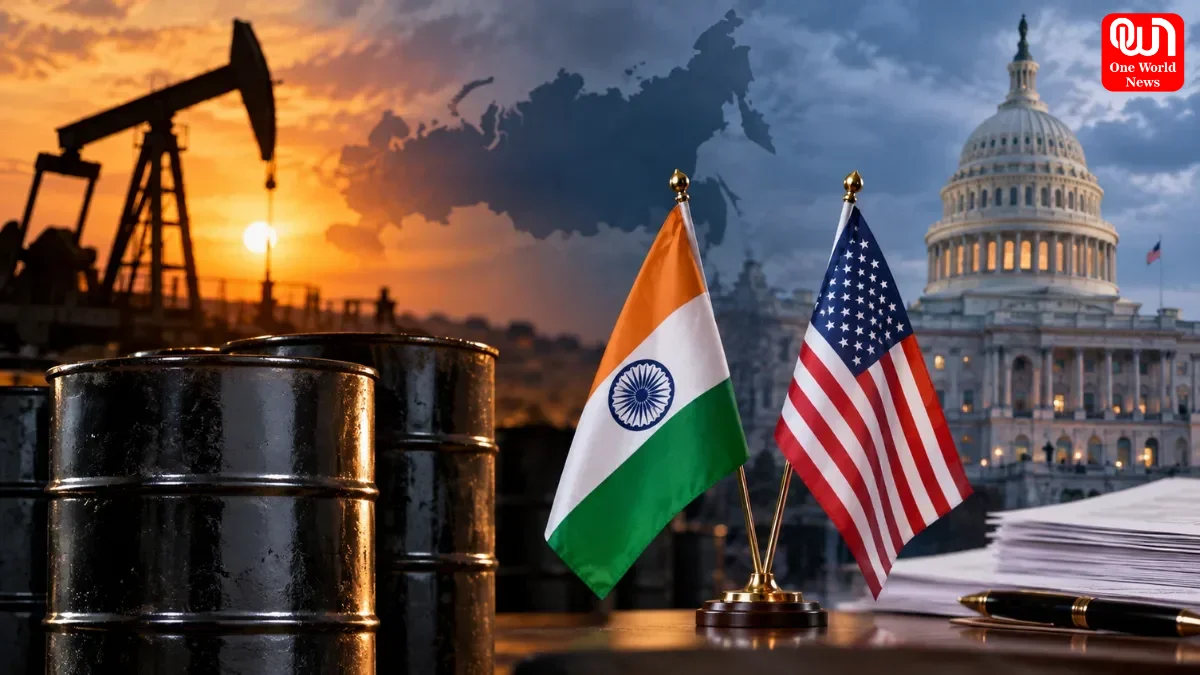
US Passes Russia Sanctions Bill: India Reaffirms Energy Security of 1.4 Billion People Amid Potential Tariffs on Russian Oil Buyers
India has reiterated that protecting the energy security of its 1.4 billion people remains a major priority after the United States passed a sweeping Russia sanctions bill. The development has attracted attention in New Delhi because India is among the major buyers of Russian crude oil, while the new US legislation provides the American president with authority to impose tariffs of up to 100% on major purchasers of Russian oil and natural gas.
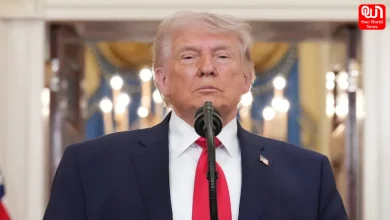
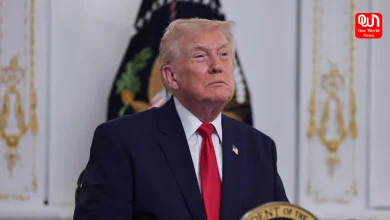
The US House of Representatives passed the Lindsey O. Graham Sanctioning Russia and Iran Act of 2026 on September 16 by a vote of 262–159. The legislation had earlier been approved by the US Senate. It now moves to President Donald Trump for his signature.
What Is the US Russia Sanctions Bill?
The US Passes Russia Sanctions Bill development marks a significant step in Washington’s effort to increase economic pressure on Russia. The legislation targets several areas linked to the Russian economy, including energy, financial institutions, officials and vessels associated with what US authorities describe as Russia’s “shadow fleet.”
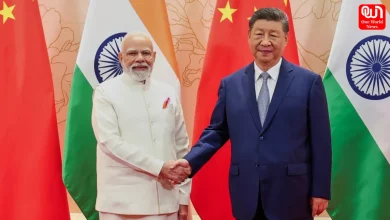
One of the most important provisions for countries such as India and China is the authority to impose tariffs of as much as 100% on major buyers of Russian petroleum or natural gas. The measure is intended to put additional pressure on countries that continue purchasing Russian energy and, indirectly, reduce revenue available to Moscow.
However, it is important to understand that the legislation does not automatically place a 100% tariff on Indian goods. The provision creates an authority that the US administration can use under the conditions established by the legislation.
India Reaffirms Energy Security Priority
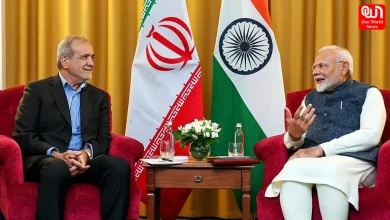
Following the passage of the bill, India’s Ministry of External Affairs reiterated that the country remains firmly committed to ensuring energy security for its 1.4 billion people.
India has also stated that it will continue to source energy from diversified suppliers according to changing market conditions. This approach reflects the importance of maintaining reliable and affordable energy supplies for a large economy with substantial crude oil import requirements.
The government has also indicated that it has raised concerns with US officials regarding the possible impact of the legislation on bilateral relations and international energy markets.
Read more: UPI Charges From October 15: Who Pays, How Much And What Stays Free?
Why Russian Oil Matters to India
India is one of the world’s major oil-importing economies and relies heavily on overseas supplies to meet domestic demand. Russian crude became increasingly important to Indian refiners after changes in global energy trade following Russia’s invasion of Ukraine in 2022.
Discounted Russian crude offered Indian refiners an additional source of supply, while purchasing from multiple regions allowed India to manage changing prices and availability in international markets.
Recent data reported by Indian media indicates that Russian crude has continued to account for a substantial share of India’s oil imports. This makes developments surrounding Russian energy trade particularly important for Indian refiners, consumers and the wider economy.
India Focuses on Diversified Energy Sources
The statement following the US Passes Russia Sanctions Bill development also highlights India’s broader strategy of maintaining diversified energy sourcing.
India imports crude from several countries, including suppliers in the Middle East and other producing regions. Diversification can provide flexibility when geopolitical tensions, shipping disruptions, production changes or price movements affect individual supply routes.
For India, the objective is not simply to secure crude oil from one country. Maintaining access to multiple suppliers can help the country respond to changing global market conditions while supporting the requirements of its growing economy.
Possible Impact on India-US Trade Relations
The new US legislation also comes at a time when India and the United States are managing important economic and trade discussions. Any future use of tariff powers against major buyers of Russian energy could therefore have implications beyond the oil market.
Indian officials have said that New Delhi will take necessary measures to protect its trade and economic interests. The government also plans to work with Indian trade and industry bodies to assess and address the consequences of developments related to the legislation.
The exact impact on Indian exports will depend on how the US administration interprets and implements the new powers following enactment.
What Happens Next?
The next major step is the decision by President Donald Trump on signing the legislation. If enacted, the administration would then determine how the new authorities are applied.
For India, attention will remain focused on three interconnected areas: the future of Russian crude purchases, international oil prices and the potential effect of US trade measures.
The situation could also influence global energy markets because India and China are among the largest buyers of Russian energy. Any major change in their purchasing patterns could affect crude flows, refinery economics and prices across different markets.
Read more: 16 September Veronica Gold Update: Gold and Silver Prices Rise in Bullion Market
Conclusion
The US Passes Russia Sanctions Bill development has created a new policy challenge for India, particularly because of the country’s significant energy requirements and its existing trade in Russian crude.
India has clearly reiterated that energy security for its 1.4 billion people remains a priority. At the same time, New Delhi is emphasising diversified sourcing and the protection of its trade and economic interests.
As the legislation moves toward the next stage in Washington, its practical impact will depend on how the US administration uses the powers provided by the bill and how global energy markets respond. For India, maintaining reliable energy supplies while navigating changing international trade and geopolitical conditions will remain an important consideration.
We’re now on WhatsApp. Click to join.
Like this post?
Register at One World News to never miss out on videos, celeb interviews, and best reads.