
Delhi Building Collapse: MCD Flags 62 Dangerous Buildings After Satya Niketan Tragedy
Delhi building collapse: MCD flags 62 dangerous buildings after Satya Niketan tragedy, with 42 awaiting demolition or sealing for building safety.

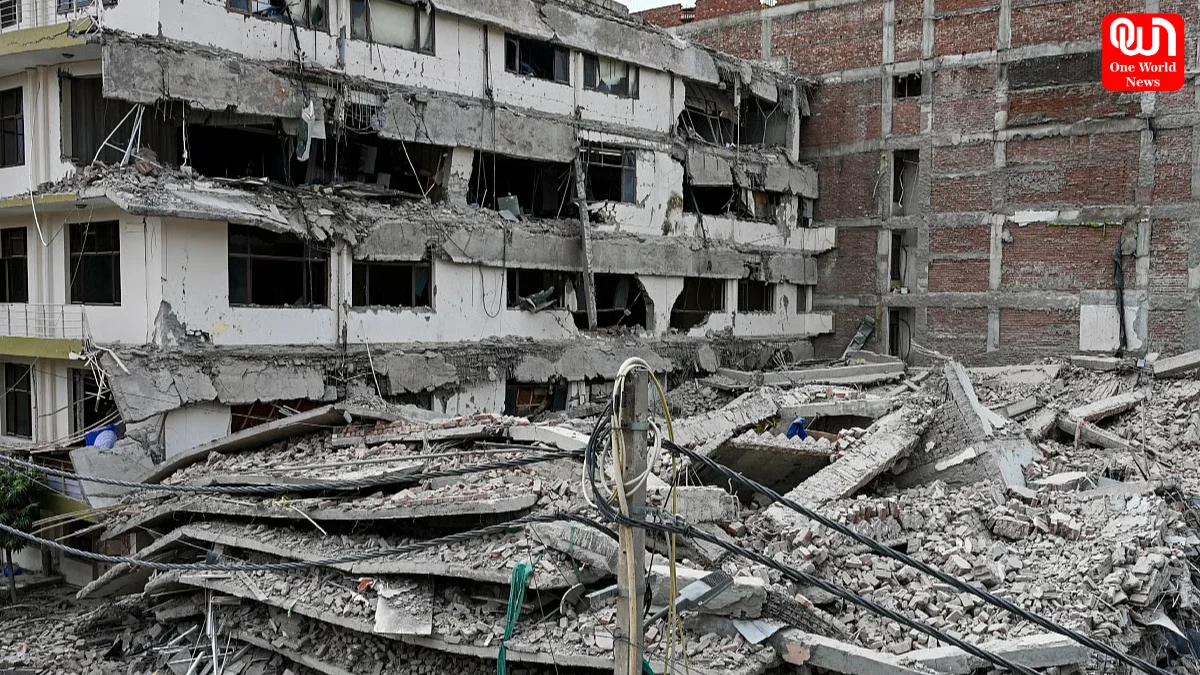
Delhi Building Collapse: MCD Flags 62 Dangerous Buildings After Satya Niketan Tragedy, 42 Await Demolition or Sealing
The Delhi building collapse in Satya Niketan has intensified concerns over building safety and the effectiveness of civic inspections across the capital. Following the fatal collapse of a student accommodation in the area, attention has shifted to a Municipal Corporation of Delhi (MCD) survey that identified 62 buildings as dangerous.
read more: NEET PG 2026 Paper Leak Claims Go Viral On Social Media: NBEMS Issues Warning
According to the latest reports, action has already been taken against 20 of these structures, including 16 demolitions and four sealing orders. The remaining 42 buildings are yet to face demolition or sealing, depending on their condition and priority.
The development has raised a crucial question: identifying dangerous structures is only the first step. How quickly authorities act on those findings could determine whether potential hazards become future tragedies.
Satya Niketan Collapse Raises Fresh Safety Concerns
The Satya Niketan building collapse occurred in a densely populated student neighbourhood near Delhi University’s South Campus. The building was being used as a paying guest accommodation, and the incident claimed seven lives, according to the latest reports.
Early assessments indicated several serious construction and safety concerns. Reports said the collapsed property had no sanctioned building plan, an unauthorised basement and no Fire NOC. The building also reportedly had construction beyond what was permitted under applicable regulations.
The tragedy has therefore put renewed focus on the condition of other buildings where students, tenants and families live.
MCD Survey Identifies 62 Dangerous Buildings
The latest MCD data has brought the scale of the issue into sharper focus. A report based on the civic body’s annual pre-monsoon exercise said around 30.7 lakh buildings were surveyed, while only 62 were classified as dangerous.
The identified dangerous buildings are spread across different MCD zones. Karol Bagh reportedly recorded the highest number, followed by other zones including West, Central, South and City-Sadar Paharganj.
The relatively small number of buildings officially classified as dangerous has itself prompted questions about whether visual surveys are sufficient to identify structural risks, particularly in older neighbourhoods and densely populated areas.
42 Buildings Still Await Demolition Or Sealing
Of the 62 buildings identified as dangerous, 20 have already faced action, with 16 structures demolished and four sealed. The remaining 42 buildings are expected to undergo demolition or sealing based on their condition and priority.
This pending action has become particularly significant after the Satya Niketan collapse. Residents living near unsafe structures may reasonably expect authorities to act quickly once a building has been officially classified as dangerous.
The issue is not simply about removing old buildings. Authorities must also ensure that residents receive adequate notice, alternative arrangements where necessary and clear information about the risks involved.
MCD Orders Action Against Illegal Buildings
Following the Satya Niketan tragedy, the MCD also ordered the immediate sealing of illegal constructions exceeding four floors. The civic body warned that officials responsible for allowing unauthorised structures could face strict action.
The move reflects a broader enforcement push against unauthorised construction in Delhi. Satya Niketan has developed into a major student accommodation hub, with numerous PGs and multi-storey properties operating in a neighbourhood that originally consisted of lower-rise structures.
Building Safety Must Go Beyond Annual Surveys
The Satya Niketan incident demonstrates why building safety cannot depend only on periodic surveys. Structural alterations, unauthorised floors, basement modifications and changes in building use can create risks between inspection cycles.
The Supreme Court-appointed amicus curiae has also called for a time-bound safety audit of PG accommodations, private hostels and other student housing across Delhi. The Satya Niketan area was not included in an earlier inspection exercise covering selected parts of the city.
A comprehensive approach would require regular structural assessments, verification of sanctioned plans, Fire NOCs, occupancy conditions and compliance with building regulations.
Delhi Needs Faster Action On Dangerous Buildings
The Delhi building collapse has turned the spotlight from one tragedy to a much wider question of urban safety. The identification of 62 dangerous buildings is important, but the remaining 42 cases show that enforcement must follow inspection without unnecessary delay.
Read more: International Students Day 2026: Celebrating Global Education, Diversity, And Student Dreams
For the MCD, the immediate challenge is to ensure that dangerous structures are dealt with before they become emergencies. For residents and students, the episode is a reminder that a building’s appearance or recent renovation does not necessarily guarantee structural safety.
Ultimately, the lessons from Satya Niketan extend beyond one neighbourhood. Effective demolition, sealing, structural audits and enforcement must work together if Delhi is to prevent dangerous buildings from becoming the site of another avoidable disaster.
We’re now on WhatsApp. Click to join.
Like this post?
Register at One World News to never miss out on videos, celeb interviews, and best reads.