
Niu Lai: The ‘Terrible’ Mother-And-Son Animated Film Storming The Chinese Box Office
Discover why the Niu Lai Chinese movie became a viral box office hit despite crude animation, limited promotion, and its unusual mother-son creators.

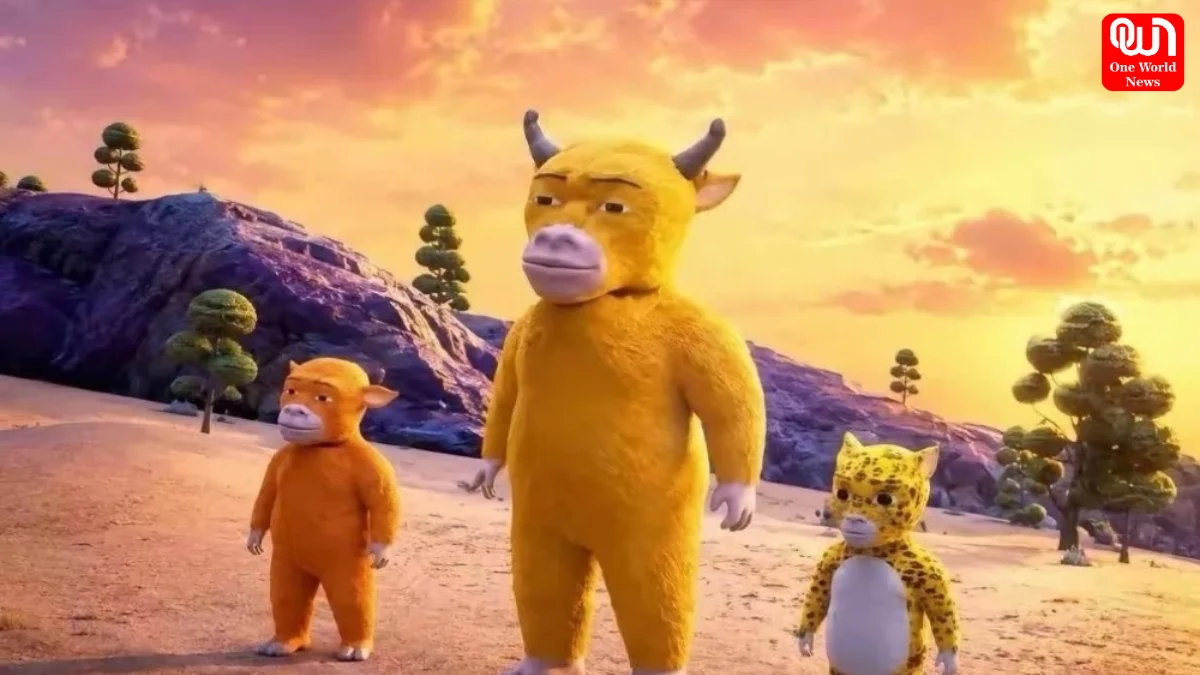
Niu Lai Chinese Movie: How A ‘Terrible’ Mother-And-Son Animated Film Became A Surprise Chinese Box Office Sensation
The Niu Lai Chinese movie has become one of the most unexpected cinema stories of 2026. Released in China on August 5, the animated film initially appeared destined to disappear without making much of an impact. Instead, its extremely low-budget animation, unusual visuals and limited promotion turned it into a viral sensation.
The film, known in Chinese as Niu Lai (牛来), has been translated as “The Cow Is Coming” or “The Ox Comes.” According to China’s National Film Administration, Niu Lai received an official public screening certificate as a domestic animated film.
A Film Made By A Mother And Son
One of the most remarkable aspects of the Niu Lai Chinese movie is its production story. The film was created by a mother-and-son team, Xin Yumeng and Sun Lifang, who reportedly spent around five years working on it. The project was made with virtually no conventional film-industry resources, marketing campaign or large animation crew.
Rather than having a major studio behind it, the film represents an unusually personal filmmaking effort. Its rough animation and unconventional storytelling have become central to the discussion surrounding the movie.
The contrast is striking. While major animated releases can involve hundreds of artists, sophisticated computer-generated imagery and enormous promotional budgets, Niu Lai emerged from an almost entirely independent creative process.
Why Viewers Called It “Terrible”
The film did not initially become famous because audiences considered it a masterpiece. Quite the opposite happened.
Viewers began sharing clips and discussing what they considered crude animation, strange character movements and unusual storytelling. Some online reactions even compared the visuals unfavorably with AI-generated animation. Instead of destroying the movie’s chances, however, the criticism created curiosity.
People started asking a simple question: Is it really that bad?
That question proved to be extremely powerful marketing.
Social media users began sharing screenshots, clips and jokes about the movie. The film became something audiences wanted to experience for themselves, turning negative attention into ticket sales.
From Nearly Invisible To Box Office Phenomenon
The early box-office performance of Niu Lai was remarkably small. Reports say it earned only a few thousand yuan during its first several days and sold relatively few tickets. But after social media attention exploded, the situation changed dramatically.
By mid-August, reports indicated that the film had crossed more than 10 million yuan in cumulative box office revenue, an extraordinary turnaround considering its tiny production budget.
The movie’s theatrical momentum also attracted comparisons with much larger releases. It began appearing alongside major films in China’s box-office conversation, despite having almost none of the resources normally associated with a successful theatrical release.
The Power Of Curiosity And Internet Culture
The success of the Niu Lai Chinese movie demonstrates how dramatically movie marketing has changed in the social-media era.
Traditional movie promotion normally depends on trailers, posters, interviews, advertising campaigns and celebrity appearances. Niu Lai had almost none of that. Instead, audiences themselves effectively became the marketing team.
Read more: Zindagi Na Milegi Dobara 2: Zoya Akhtar Confirms Sequel After 15 Years, Hints At Story
Every joke, meme and negative comment generated additional curiosity. Someone seeing a viral post might think, “I have to watch this to understand why everyone is talking about it.” That person could then share their own reaction, creating another wave of attention.
This cycle helped transform Niu Lai from an obscure animated release into a cultural talking point.
More Than Just A Bad Movie?
Calling Niu Lai simply a “terrible” movie may miss the bigger story. Its technical shortcomings are certainly part of its popularity, but the film also represents something unusual in today’s highly polished entertainment industry.
The movie was reportedly created over several years by two people who continued working on their project despite having limited resources. Its rise therefore raises interesting questions about creativity, audience behavior and what happens when an unconventional work suddenly receives massive public attention.
There is also an intriguing contrast between handmade animation and the growing popularity of AI-generated content. Some viewers have found the film’s imperfect, human-made quality strangely appealing, even while laughing at its visual limitations.
What Niu Lai Says About Modern Cinema
The Niu Lai Chinese movie may ultimately be remembered less for its animation quality and more for its extraordinary journey. It started with almost no public attention, became the subject of online jokes and then transformed into a box-office curiosity.
Read more: Zindagi Na Milegi Dobara 2: Zoya Akhtar Confirms Sequel After 15 Years, Hints At Story
Its story proves that audiences cannot always be predicted. A film expected to disappear can suddenly become a hit when social media gives people a reason to talk about it.
Whether viewers consider Niu Lai entertaining, bizarre or genuinely poor, one thing is undeniable: the mother-and-son animation has captured China’s attention in a way that traditional marketing could never have guaranteed.
For the creators, what began as a small five-year project has become an extraordinary cinematic phenomenon. And for the film industry, Niu Lai offers a fascinating reminder that sometimes the most unexpected movie can become the biggest conversation.
We’re now on WhatsApp. Click to join.
Like this post?
Register at One World News to never miss out on videos, celeb interviews, and best reads.