Freeze Lok Sabha Seats At 543, Give 33% Women Reservation: CM Vijay Writes To PM Modi
Tamil Nadu Delimitation Concerns grow as C Joseph Vijay urges Narendra Modi to freeze Lok Sabha seats at 543 and ensure Women’s Reservation.

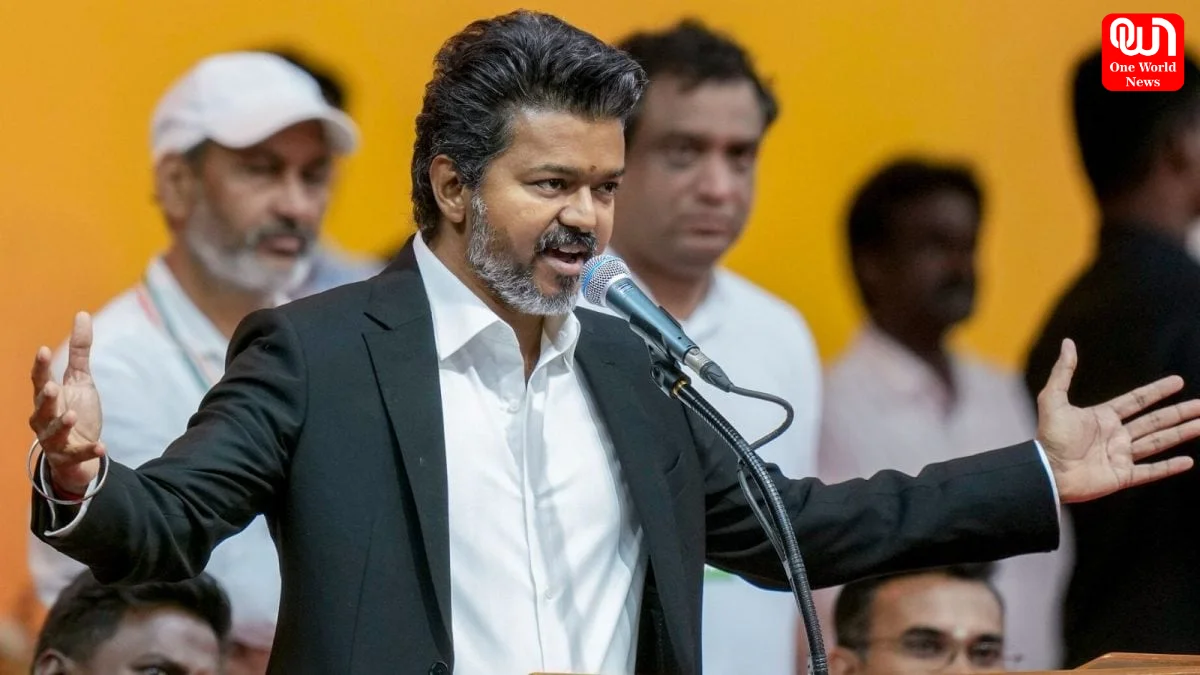
Tamil Nadu Delimitation Concerns: CM C Joseph Vijay Urges Narendra Modi to Freeze Lok Sabha Seats at 543 and Ensure 33% Women’s Reservation
Tamil Nadu Chief Minister C Joseph Vijay has written to Prime Minister Narendra Modi seeking a Constitutional Amendment to permanently freeze the strength of the Lok Sabha at 543 seats. His letter comes amid growing debate over delimitation and its possible impact on the political representation of Southern States.
The Tamil Nadu government has raised concerns that a population-based delimitation exercise could change the distribution of Parliamentary Constituencies among states. Vijay has also called for 33% Women’s Reservation to be implemented within the existing strength of the Lok Sabha rather than linking it to a major increase in the number of seats.
What Is the Tamil Nadu Delimitation Concern?
Delimitation means redrawing the boundaries of Parliamentary Constituencies based on population and other constitutional requirements. The issue has become politically important because different states have experienced different population growth rates over the years.
Tamil Nadu and other Southern States have argued that states that successfully controlled population growth should not lose political representation as a result. Their concern is that a population-based exercise could give more seats to states with larger populations while reducing the relative share of states such as Tamil Nadu.
The debate is therefore not only about constituency boundaries. It is also about federal balance, representation and the relationship between population size and political influence.
Read more: Uttarakhand Tunnel Incident: 7 Workers Killed, 3 Still Missing As Search Operation Continues
Why Vijay Wants the Lok Sabha Frozen at 543
At present, the Lok Sabha has 543 elected seats. Vijay has asked the Centre to bring a Constitutional Amendment to keep the total number at 543 and maintain the existing inter-state distribution of seats.
According to the position outlined by Tamil Nadu, keeping the current strength would help protect the representation of states that have made progress in population stabilisation. It would also avoid a sudden change in the balance of Parliamentary Constituencies between regions.
The demand comes after the Tamil Nadu Legislative Assembly adopted a resolution on August 12, 2026, opposing the proposed delimitation approach and supporting a permanent cap of 543 Lok Sabha seats.
33% Women’s Reservation Within the Existing Seats
Another major part of Vijay’s proposal is Women’s Reservation. The demand is to provide 33% reservation for women within the existing 543 Lok Sabha seats.
Women’s Reservation has already been established through the Constitution (106th Amendment) Act, 2023, popularly associated with the Nari Shakti Vandan Adhiniyam. The legislation provides for reservation of approximately one-third of seats for women in the Lok Sabha and state legislative assemblies, subject to the constitutional conditions concerning census and delimitation.
Vijay’s position seeks to separate the implementation of Women’s Reservation from an expansion of the total strength of the Lok Sabha. This could allow the country to move toward greater representation of women while addressing the concerns raised by Southern States about delimitation.
Why Southern States Are Concerned
The delimitation debate has developed into a wider discussion about regional representation. Southern States have generally recorded slower population growth compared with several more populous states in northern India.
Leaders from the South have therefore expressed concern that population-based redistribution could alter their share of seats in Parliament. Earlier debates over delimitation have similarly focused on whether states that adopted population-control measures should be disadvantaged politically.
For Tamil Nadu, the issue is closely connected with the principle of fair representation. The state wants population growth to be considered without creating a situation where better population management results in reduced parliamentary influence.
Narendra Modi Government Faces a Major Political Debate
Prime Minister Narendra Modi and the Union Government face competing demands surrounding delimitation and Women’s Reservation. Earlier in 2026, proposed constitutional changes sought to increase the size of the Lok Sabha substantially while creating a framework for implementing women’s quota after delimitation. One proposal discussed increasing the House from 543 to as many as 850 seats.
The debate has consequently become a major constitutional and political issue. Supporters of expanding the House argue that India’s population has grown considerably and that Parliament needs greater representation. Critics, particularly from Southern States, want safeguards so that changes do not weaken their political voice.
What Could Happen Next?
Vijay’s letter puts Tamil Nadu’s position directly before the Prime Minister and the Union Government. The request for a Constitutional Amendment will likely keep the discussion on delimitation active in national politics.
The central question is how India can balance population-based representation with the need to protect regional representation. At the same time, there is broad political importance attached to ensuring greater participation of women in Parliament.
The demand to freeze Lok Sabha seats at 543 while implementing 33% Women’s Reservation presents one possible approach to these competing concerns. The coming political and constitutional discussions will determine whether such a framework receives support.
Conclusion
The latest move by C Joseph Vijay highlights the growing Tamil Nadu Delimitation Concerns surrounding the future distribution of Lok Sabha seats. By writing to Narendra Modi, Vijay has sought a Constitutional Amendment to keep the strength of the House at 543 and introduce Women’s Reservation within the existing framework.
The issue is bigger than Tamil Nadu alone. It touches upon the representation of Southern States, the future of Parliamentary Constituencies, federal balance and women’s participation in Indian democracy. As the delimitation debate continues, the response from the Centre will be closely watched across the country.
We’re now on WhatsApp. Click to join.
Like this post?
Register at One World News to never miss out on videos, celeb interviews, and best reads.