Trump Birthright Citizenship: Will Babies Of Indian H-1B, L-1 Visa Holders Get US Citizenship Under Trump’s Birth Tourism Orders?
Trump birthright citizenship rules explained. Know how Trump executive orders, Birth tourism, H-1B visa, 14th Amendment impact US citizenship.

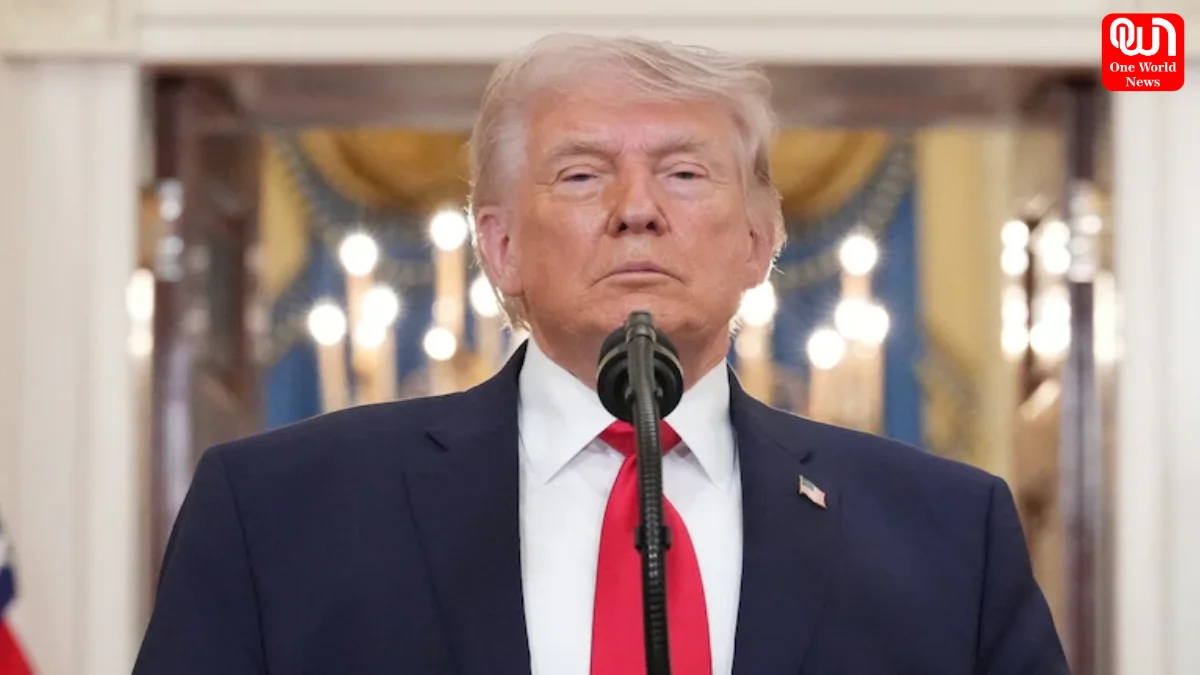
Trump Birthright Citizenship Explained: Will Babies Born To Indian H-1B Visa And L-1 Visa Holders Get US Citizenship After Trump’s Executive Orders On Birth Tourism And The 14th Amendment?
The debate over Trump birthright citizenship has once again taken center stage after US President Donald Trump signed fresh Trump executive orders aimed at curbing Birth tourism and narrowing who qualifies for automatic US citizenship at birth. The announcement has raised serious concerns among the Indian community, especially families living in the United States on H-1B visa and L-1 work visas.
Many Indian professionals working in technology, healthcare, finance, and multinational companies are wondering whether children born in the US will continue to receive automatic citizenship. Here’s everything you need to know about the latest developments.
What Are Trump’s New Birth Tourism Orders?
On August 6, 2026, President Donald Trump signed two executive orders targeting the practice commonly known as Birth tourism. The administration says the measures are intended to prevent foreign nationals from traveling to the United States solely to give birth so their children can obtain US citizenship.
One order focuses on restricting commercial birth tourism operations, while another attempts to narrow automatic citizenship in limited categories by relying on exceptions to the 14th Amendment. The White House argues these changes address abuse of the immigration system, but legal experts expect immediate court challenges.
What Is Birthright Citizenship?
Birthright citizenship refers to the legal principle that most children born on US soil automatically become American citizens regardless of their parents’ nationality.
This protection comes from the 14th Amendment of the US Constitution, which states that all persons born or naturalized in the United States and subject to its jurisdiction are citizens of the United States.
For more than a century, this constitutional provision has formed the basis of automatic US citizenship for nearly all babies born in the country, with only limited exceptions such as children of foreign diplomats.
Will Babies Of Indian H-1B And L-1 Visa Holders Still Get US Citizenship?
This is the biggest concern for the Indian community.
As of now, children born in the United States to parents holding a valid H-1B visa or L-1 visa generally continue to receive US citizenship under the existing interpretation of the 14th Amendment. However, the latest Trump executive orders have created uncertainty because the administration is trying to reinterpret constitutional exceptions and expand restrictions related to Birth tourism.
Legal experts note that any attempt to deny citizenship to children born to lawful temporary visa holders is expected to face significant constitutional challenges in federal courts.
Why Is The Indian Community Concerned?
The Indian community represents one of the largest groups of skilled workers in the United States. Thousands of Indian professionals enter America every year through the H-1B visa program, while many executives and managers relocate under L-1 visas.
Because many families spend several years in the US before obtaining permanent residency, any change to Trump birthright citizenship policies could directly affect future children born during that period.
Immigration attorneys have advised families not to panic, as the constitutional status of Birthright citizenship remains the subject of ongoing legal proceedings.
Can Trump’s Executive Orders Change The Constitution?
Not directly.
Although Trump executive orders can instruct federal agencies on policy implementation, they cannot amend the Constitution. The 14th Amendment remains the supreme legal authority governing Birthright citizenship.
Any executive action that conflicts with constitutional protections is likely to be challenged in court. Several legal organizations have already indicated they will oppose the latest orders, arguing that they violate long-standing Supreme Court precedent.
What Happens Next?
The latest Trump executive orders are expected to face multiple lawsuits almost immediately. Federal courts will determine whether these orders are consistent with the 14th Amendment and previous Supreme Court rulings on Birthright citizenship.
Until the courts issue final decisions, immigration experts advise families to follow official government guidance rather than relying on speculation.
Read more: Ceuta Migrant Crisis: Why Ceuta, Spain, and Morocco Are at the Center of Europe’s Border Debate
Final Thoughts
The renewed debate over Trump birthright citizenship has once again placed immigration policy under national scrutiny. While the administration says the latest Trump executive orders are designed to curb Birth tourism, questions remain about how they could affect the Indian community, particularly professionals working in the US on an H-1B visa or L-1 visa.
At present, the constitutional protection provided by the 14th Amendment remains in force, and babies born in the United States generally continue to receive US citizenship. However, because the new orders are expected to be challenged in court, the legal situation could continue evolving in the coming months. Families should closely monitor official announcements and court decisions before drawing conclusions.
We’re now on WhatsApp. Click to join.
Like this post?
Register at One World News to never miss out on videos, celeb interviews, and best reads.