Sonam Wangchuk Hunger Strike: Climate Activist Refuses to End Fast Despite Worsening Health at Jantar Mantar
Sonam Wangchuk Hunger Strike enters a critical phase as the climate activist and educationist continues his fast over the NEET exam issue.

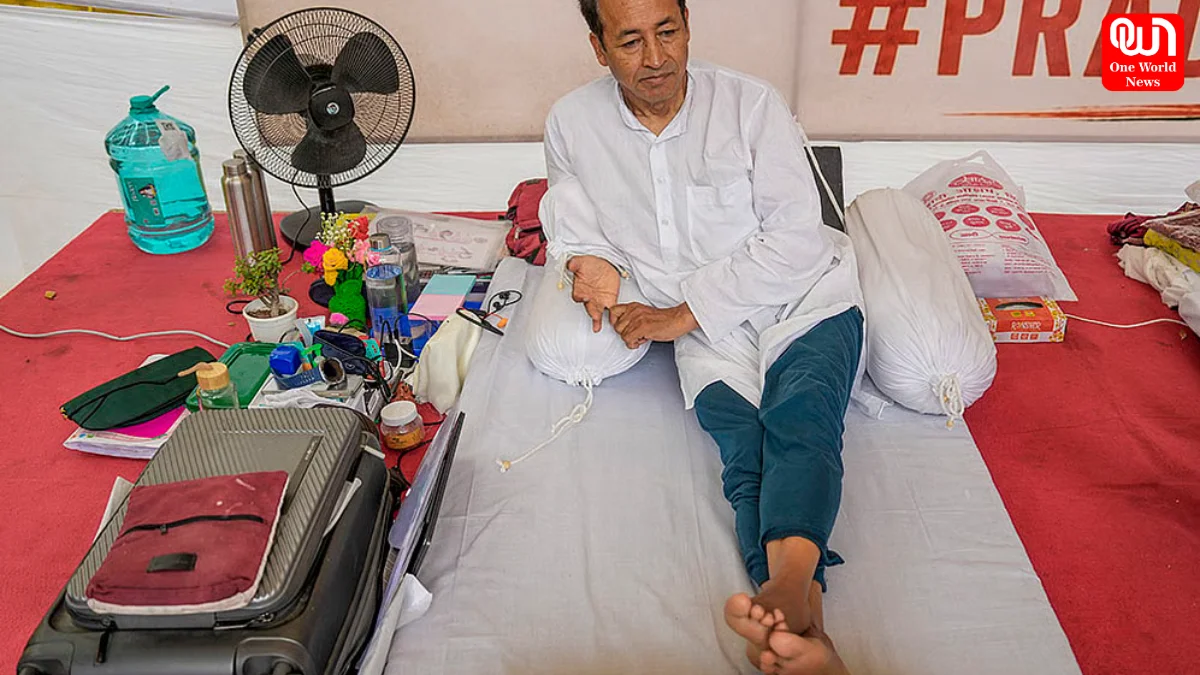
‘Won’t Be Dying In 2-4 Days’: Sonam Wangchuk Hunger Strike Continues as Climate Activist and Educationist Refuses to End Fast Amid Health Concerns, NEET Exam Protest, Jantar Mantar Demonstration, Chalo Sansad Campaign, Cockroach Janta Party Demand and Calls for Dharmendra Pradhan’s Resignation
The Sonam Wangchuk Hunger Strike has entered a critical stage, with the renowned climate activist and educationist making it clear that he has no intention of ending his indefinite fast despite worsening health. Speaking from Jantar Mantar in New Delhi, Wangchuk said that although he is physically weak, he is determined to continue the protest until meaningful action is taken on the issues raised by students and citizens.
The ongoing protest has attracted nationwide attention as it is closely linked to the alleged irregularities in the NEET exam, transparency in the education system, and demands for accountability from the government.
Sonam Wangchuk Says He Will Continue the Hunger Strike
Addressing supporters, Sonam Wangchuk stated that he is “not going to die in the next two to four days,” while acknowledging that his health has declined significantly. He explained that ending the fast without any response from the authorities would defeat the purpose of the movement.
The Sonam Wangchuk Hunger Strike has now become a symbol of peaceful democratic protest, with thousands of students, teachers, activists, and social organizations expressing solidarity. Wangchuk believes that the movement is larger than any individual and aims to bring attention to systemic reforms in India’s education sector.
Why Is Sonam Wangchuk Protesting?
The protest is primarily focused on concerns surrounding the NEET exam, including allegations of examination irregularities and the need for greater transparency in competitive examinations.
As an internationally respected climate activist and educationist, Sonam Wangchuk has consistently advocated for ethical governance, quality education, and youth empowerment. Through this hunger strike, he hopes to encourage policymakers to address the concerns of millions of students who depend on fair examination systems.
His protest has also become associated with broader discussions on accountability, public participation, and democratic engagement.
Health Condition Raises Serious Concerns
Doctors monitoring Wangchuk have reported noticeable weight loss and increasing physical weakness after nearly three weeks of fasting. Medical experts have warned that prolonged fasting could soon affect vital organs if his condition continues to deteriorate.
Despite repeated appeals from supporters and public figures requesting him to end the strike, Wangchuk has remained firm. According to him, the protest must continue until there is meaningful dialogue from the government.
Meanwhile, the Delhi High Court has directed authorities to closely monitor his health and ensure that appropriate medical care remains available throughout the protest.
Jantar Mantar Becomes the Centre of the Protest
Jantar Mantar has once again become the focal point of a major public movement, with students and citizens gathering daily to support the Sonam Wangchuk Hunger Strike.
The protest site has witnessed increasing participation from educators, social activists, political leaders, artists, and young aspirants. Demonstrators have continued to raise concerns about examination reforms while demanding greater accountability in public institutions.
Read more: QR Codes, CCTV, Coach Mitra App And More: Railways’ Plan To Curb Linen Theft On AC Coaches Of Trains
Supporters believe that the movement represents the voice of millions of students seeking fairness in competitive examinations and recruitment processes.
Chalo Sansad Campaign Gains Momentum
Alongside the hunger strike, organizers have intensified preparations for the Chalo Sansad campaign, urging citizens to march peacefully toward Parliament to highlight their demands.
The campaign is being coordinated with support from the Cockroach Janta Party, a youth-led movement that has gained widespread attention over its activism regarding examination reforms and student rights.
Organizers have appealed to students across the country to participate peacefully and strengthen the movement through democratic means.
Demand for Action Against Dharmendra Pradhan
One of the major demands raised during the movement is accountability from Union Education Minister Dharmendra Pradhan over the handling of the NEET exam controversy.
Several protesters have called for reforms in examination management, improved transparency, and stronger safeguards against irregularities. While the government has not formally responded to all of the movement’s demands, the protest continues to attract national attention and political debate.
Read more: People Who Don’t Want Ethanol-Blended Fuel Can Buy 100% Petrol, But Pay More’: Nitin Gadkari
What Lies Ahead?
As the Sonam Wangchuk Hunger Strike continues, public attention remains focused on whether meaningful discussions between the government and protesters will take place. Although his health continues to deteriorate, the respected climate activist and educationist has reiterated that he will not abandon the movement without progress on the issues he believes affect millions of Indian students.
With the Chalo Sansad campaign approaching and the Cockroach Janta Party mobilizing supporters, the coming days are expected to play a crucial role in shaping the future of this high-profile protest centred around education reforms, the NEET exam, Jantar Mantar, and calls for accountability involving Dharmendra Pradhan.
We’re now on WhatsApp. Click to join.
Like this post?
Register at One World News to never miss out on videos, celeb interviews, and best reads.