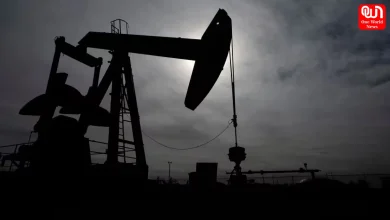
Saudi Arabia Cuts Crude Oil Price By $11 Per Barrel: Will India Benefit From The Big Discount?
Saudi Arabia Cuts Crude Oil Price By $11 Per Barrel. Find out how this historic oil price cut could impact India's fuel prices and economy.


Saudi Arabia Cuts Crude Oil Price By $11 Per Barrel: Will India Benefit From The Big Discount? Here’s What It Means for Petrol, Diesel Prices and the Indian Economy
In a major development for the global energy market, Saudi Arabia Cuts Crude Oil Price By $11 Per Barrel for its Asian customers, marking one of the biggest reductions in more than two decades. The decision has sparked discussions across financial markets, especially in India, one of the world’s largest crude oil importers. As fuel prices directly influence inflation, transportation costs, and industrial production, many Indians are asking one important question: Will India actually benefit from this significant discount? According to recent reports, Saudi Aramco reduced the official selling price (OSP) for its flagship Arab Light crude for August deliveries to Asian buyers by $11 per barrel in an effort to remain competitive amid increasing global oil supplies and softer demand.
Why Did Saudi Arabia Cut Crude Oil Prices?
The announcement that Saudi Arabia Cuts Crude Oil Price By $11 Per Barrel is primarily driven by changing market conditions. Several factors have contributed to this pricing decision:
- Rising global crude oil supply.
- Increased competition from other oil-producing countries.
- Slower-than-expected demand from Asian markets, particularly China.
- Easing geopolitical tensions that have reduced supply concerns.
- OPEC+ production adjustments aimed at maintaining market stability.
Saudi Arabia is trying to protect its market share by making its crude more attractive to major buyers across Asia.
How Important Is Saudi Arabia for India’s Oil Imports?
India imports nearly 85% of its crude oil requirements, making international oil prices extremely important for the country’s economy. Saudi Arabia has traditionally remained one of India’s leading crude oil suppliers alongside countries like Iraq, Russia, and the UAE.
When Saudi Arabia Cuts Crude Oil Price By $11 Per Barrel, Indian refiners may find Saudi crude more affordable, helping reduce their import costs. Lower import bills can also strengthen India’s external trade balance and reduce pressure on the rupee over time.
Will Petrol and Diesel Prices Become Cheaper in India?
This is the biggest question for consumers.
While lower crude oil prices generally reduce the cost of refining petrol and diesel, retail fuel prices in India depend on several additional factors, including:
- Central and state taxes
- Exchange rate between the rupee and the US dollar
- Refining and transportation costs
- Marketing margins of oil companies
- Government pricing policies
Read more: Abrogation Of Article 370 Was Fitting Tribute To Dr Syama Prasad Mookerjee: PM Narendra Modi
Therefore, even though Saudi Arabia Cuts Crude Oil Price By $11 Per Barrel, petrol and diesel prices in India may not immediately decrease. If international crude prices remain lower for a sustained period, oil marketing companies could eventually pass on some of the benefits to consumers.
How Could India’s Economy Benefit?
The price reduction could provide multiple advantages for India’s economy.
Lower Import Bill
Since India imports massive quantities of crude oil, cheaper imports help reduce foreign exchange spending.
Reduced Inflation
Fuel costs affect transportation, manufacturing, and logistics. Lower crude prices can help reduce inflation by lowering operating costs across industries.
Improved Fiscal Balance
A lower oil import bill may help reduce the country’s current account deficit and improve overall economic stability.
Better Business Environment
Industries such as aviation, logistics, chemicals, plastics, and transportation may benefit from lower fuel and energy costs, improving profitability.
Will the Discount Last Long?
Experts believe that the duration of this price cut depends on global supply-demand dynamics.
If oil production continues to rise while global demand remains soft, lower prices may continue for several months. However, geopolitical tensions, production cuts, or unexpected supply disruptions could quickly reverse the trend.
Saudi Arabia’s latest move is largely seen as a strategy to remain competitive in Asian markets amid increasing oil availability and stronger competition from other exporters.
What Should Indian Consumers Expect?
Consumers should avoid expecting an immediate reduction in petrol and diesel prices.
Instead, they should watch for:
- Future crude oil price movements
- Government tax decisions
- Exchange rate fluctuations
- Oil company pricing announcements
If crude prices remain consistently lower, Indian consumers and businesses could gradually benefit through reduced inflation and potentially lower fuel costs.
Read more: 6 July Veronica Gold Update: Gold And Silver Prices Decline Today as Bullion Market Turns Cautious
Conclusion
The announcement that Saudi Arabia Cuts Crude Oil Price By $11 Per Barrel is one of the most significant developments in the global oil market this year. For India, which depends heavily on imported crude oil, the move has the potential to reduce import costs, improve economic stability, and ease inflationary pressures. However, whether consumers will see cheaper petrol and diesel depends on several domestic factors beyond crude oil prices alone. If international prices remain favourable over the coming months, India could enjoy meaningful economic benefits from this historic discount.
We’re now on WhatsApp. Click to join.
Like this post?
Register at One World News to never miss out on videos, celeb interviews, and best reads.