
What is Developmental Dysplasia of the Hip? Causes, Symptoms, Diagnosis, Treatment & Prevention Guide
Learn about Developmental Dysplasia of the Hip (DDH), its causes, symptoms, diagnosis, treatment options, and prevention for healthy hip development.

What is Developmental Dysplasia of the Hip (DDH)? Understanding Developmental Dysplasia, Symptoms, Diagnosis, Treatment, and Prevention in Children
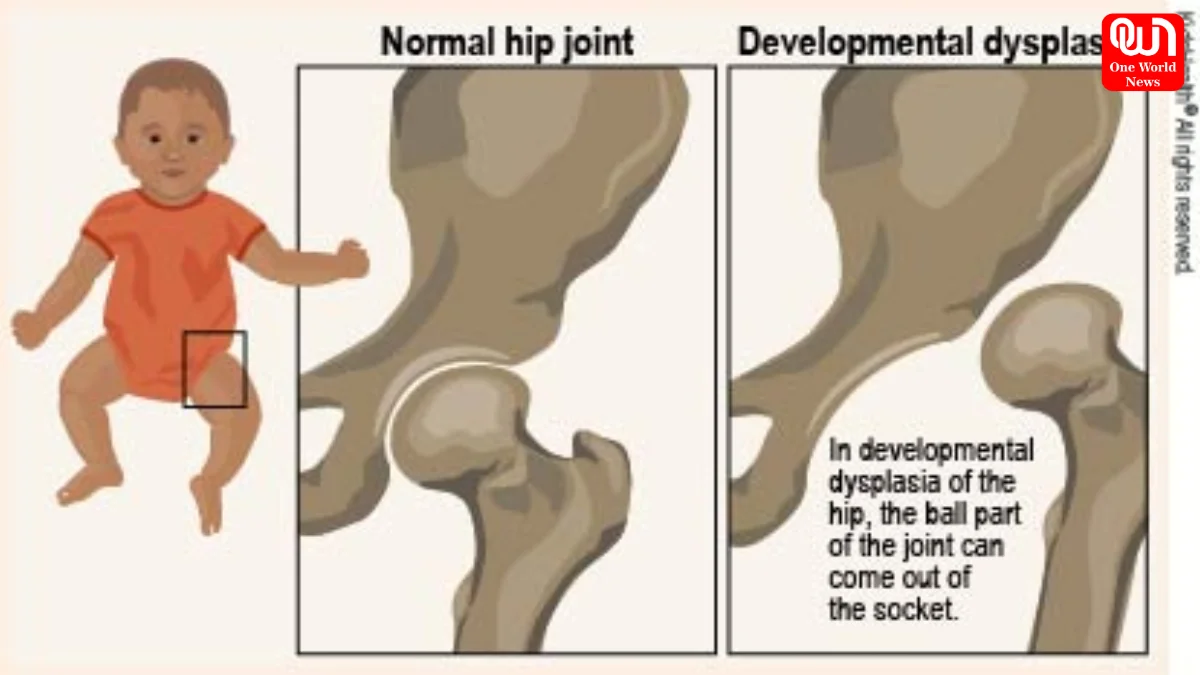
Developmental Dysplasia of the Hip (DDH), often referred to as Developmental Dysplasia, is a condition in which the hip joint does not develop properly in infants and young children. The hip joint is made up of a ball-shaped femoral head and a cup-shaped socket called the acetabulum. In children with Developmental Dysplasia of the Hip, the socket may be too shallow, allowing the ball to move out of place partially or completely.
Developmental Dysplasia can range from mild instability of the hip joint to complete hip dislocation. Early diagnosis and treatment are important because untreated DDH can lead to walking difficulties, hip pain, joint damage, and arthritis later in life. Fortunately, when detected early, most children recover successfully with appropriate treatment.
Understanding Developmental Dysplasia of the Hip
During normal growth, a baby’s hip joint develops as the ball and socket fit together perfectly. This close fit helps the hip grow into a strong and stable joint. However, in cases of Developmental Dysplasia, the hip socket may not form correctly, preventing the ball from remaining securely positioned.
DDH is most commonly diagnosed during infancy but can sometimes go unnoticed until a child begins walking. Regular pediatric examinations play a vital role in identifying the condition early.
Causes of Developmental Dysplasia
The exact cause of Developmental Dysplasia of the Hip is not always known, but several risk factors can increase the likelihood of the condition:
Family History
Children with parents or siblings who had Developmental Dysplasia are at a higher risk of developing the condition.
Breech Birth Position
Babies delivered in a breech position, where the feet or buttocks come out first, have an increased chance of hip instability.
Gender
Girls are more likely to develop Developmental Dysplasia than boys due to hormonal influences during pregnancy.
First Pregnancy
First-born babies may have less space in the womb, which can affect normal hip development.
Swaddling Practices
Improper swaddling that forces a baby’s legs straight and together may contribute to hip problems.
Symptoms of Developmental Dysplasia of the Hip
The signs and symptoms of Developmental Dysplasia can vary depending on the child’s age and severity of the condition.
In Infants
- One leg appears shorter than the other
- Uneven skin folds on the thighs or buttocks
- Limited movement of one hip
- Clicking or popping sounds in the hip joint
In Toddlers and Older Children
- Limping while walking
- Walking on toes on one side
- Waddling gait
- Hip discomfort or pain
- Reduced mobility
Parents who notice these symptoms should seek medical evaluation promptly.
How is Developmental Dysplasia Diagnosed?
Healthcare providers typically screen newborns for signs of Developmental Dysplasia during routine examinations. Several methods are used to confirm the diagnosis:
Physical Examination
Doctors perform specialized hip stability tests to check whether the hip joint moves normally.
Ultrasound Imaging
For infants younger than six months, ultrasound provides detailed images of the developing hip joint.
X-rays
For older infants and children, X-rays help assess hip alignment and socket development.
Early diagnosis significantly improves treatment success and helps prevent long-term complications.
Treatment Options for Developmental Dysplasia
Treatment depends on the child’s age and the severity of the condition.
Pavlik Harness
For babies younger than six months, a Pavlik harness is often the first treatment option. The harness keeps the hips in the proper position while allowing movement.
Closed Reduction
If the harness is unsuccessful, doctors may perform a procedure called closed reduction, where the hip is gently repositioned without surgery.
Surgery
In severe or late-diagnosed cases, surgery may be required to place the hip correctly and improve joint stability.
Physical Therapy
Rehabilitation exercises help strengthen muscles and improve mobility following treatment.
Most children who receive timely treatment experience normal hip development and lead active lives.
Can Developmental Dysplasia Be Prevented?
While not all cases can be prevented, certain measures may reduce risk:
- Practice hip-friendly swaddling techniques
- Attend regular pediatric checkups
- Follow recommended newborn screening schedules
- Seek evaluation for babies with known risk factors
Awareness and early intervention are key to maintaining healthy hip development.
Read more: World Pharmacist Day 2026: Empowering Pharmacists for Healthier Futures and Better Healthcare
Conclusion
Developmental Dysplasia of the Hip is a common childhood condition that affects the normal formation of the hip joint. Although it can lead to serious complications if left untreated, early diagnosis and appropriate treatment provide excellent outcomes for most children. Understanding the causes, symptoms, and treatment options for Developmental Dysplasia helps parents and caregivers take proactive steps toward ensuring healthy growth and mobility. Regular medical examinations and prompt attention to warning signs can make a significant difference in a child’s long-term hip health.
We’re now on WhatsApp. Click to join.
Like this post?
Register at One World News to never miss out on videos, celeb interviews, and best reads.