Approved As Residential, Illegally Used As Commercial Space: What Led To Lucknow Fire That Killed 15 People?
Lucknow Fire tragedy kills 15 in Aliganj. Learn how illegal commercial use, safety lapses, and fire hazards led to the disaster.

Approved As Residential, Illegally Used As Commercial Space: What Led To Lucknow Fire That Killed 15
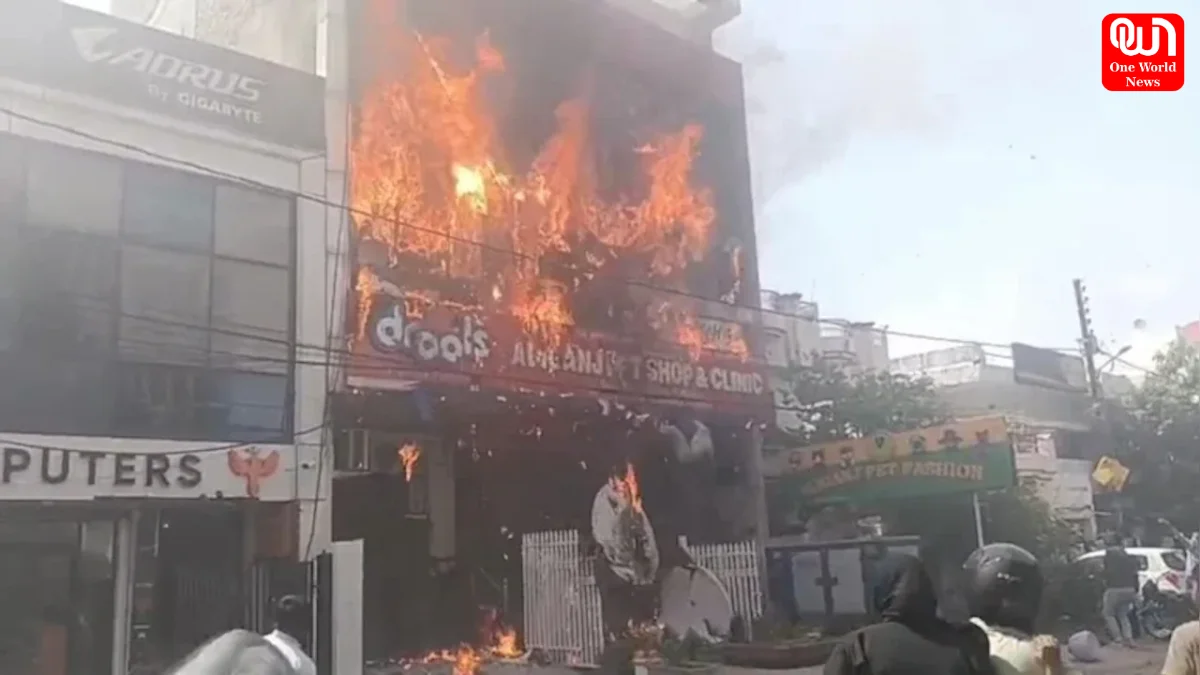
The recent Lucknow Fire tragedy has shocked the entire nation. A devastating blaze in Lucknow’s Aliganj area claimed the lives of 15 people, most of them young students and trainees. The incident has raised serious concerns about building safety, unauthorized commercial operations, and the lack of proper fire prevention measures in urban areas.
Initial investigations suggest that the building where the fire occurred was officially approved for residential use but had been functioning as a commercial establishment for years. The tragedy has triggered a major probe into how such violations were allowed to continue unchecked and what factors contributed to the deadly outcome.
What Happened In The Lucknow Fire Incident?
The fire broke out in a three-storey building located in the Aliganj locality of Lucknow. The structure housed several commercial activities, including an animation and gaming training center, a coaching institute, and a pet clinic. At the time of the incident, dozens of students and staff members were present inside the building.
As flames rapidly spread through the building, many occupants became trapped on the upper floors. Rescue teams rushed to the scene, but thick smoke and intense heat made evacuation difficult. Several victims reportedly had little time to escape, leading to one of the deadliest fire accidents in recent years in Uttar Pradesh.
Residential Approval, Commercial Reality
One of the most disturbing revelations in the investigation is that the building was approved as a residential property but had allegedly been operating commercially since 2014. Authorities discovered that multiple businesses were functioning inside the structure without proper authorization and compliance measures required for commercial buildings.
Commercial establishments typically require stricter fire safety systems, emergency exits, evacuation plans, and regular inspections. When a residential building is converted into a commercial space without following regulations, the risks increase significantly.
Investigators are now examining whether regulatory failures and administrative negligence played a role in allowing the illegal conversion to continue for years. Several officials have reportedly come under scrutiny following the tragedy.
Possible Cause Of The Fire
According to preliminary reports, the fire may have started due to a suspected short circuit involving an air-conditioning unit or AC duct system. The blaze reportedly originated on the lower floors before spreading rapidly throughout the building.
Electrical faults remain one of the leading causes of urban fire accidents in India. When combined with inadequate safety systems and overcrowded commercial usage, even a small spark can quickly turn into a catastrophic event.
Read more: 22 June Veronica Gold Update: Gold and Silver Prices Surge Today, Bullion Market Sees Fresh Momentum
Safety Failures That Worsened The Disaster
Experts investigating the Lucknow Fire have pointed to a chain of safety failures that may have contributed to the high death toll. These include:
1. Limited Evacuation Routes
The building reportedly had insufficient emergency exits, making evacuation difficult during the emergency.
2. Poor Structural Design
Investigators highlighted design flaws that may have accelerated the spread of smoke and flames throughout the premises.
3. Auto-Locking Gates
Reports suggest that certain access points became obstacles during evacuation, trapping occupants inside the building.
4. Lack Of Fire Safety Compliance
Questions have been raised about whether the building had adequate fire extinguishers, alarm systems, and emergency preparedness measures in place.
Government Action After The Lucknow Fire
Following the tragedy, authorities suspended multiple officials and arrested several building owners linked to the property. A Special Investigation Team (SIT) has also been formed to conduct a detailed inquiry into the incident.
The investigation aims to determine accountability, identify regulatory lapses, and recommend measures to prevent similar incidents in the future.
Lessons From The Lucknow Fire
The Lucknow Fire serves as a painful reminder of the dangers posed by unauthorized building conversions and inadequate fire safety practices. Rapid urbanization has increased pressure on residential and commercial infrastructure, making strict enforcement of building regulations more important than ever.
Regular inspections, proper emergency exits, fire alarms, and adherence to safety norms can save countless lives. Authorities, property owners, and businesses must work together to ensure that buildings are used only for approved purposes and comply with all safety requirements.
Conclusion
The Lucknow Fire tragedy is not merely an accident—it highlights systemic issues involving unauthorized commercial activities, safety violations, and regulatory oversight. As investigations continue, the focus remains on ensuring justice for the victims and implementing stronger safety measures. The loss of 15 lives is a heartbreaking reminder that fire safety regulations are not optional but essential for protecting human life.
We’re now on WhatsApp. Click to join.
Like this post?
Register at One World News to never miss out on videos, celeb interviews, and best reads.