
Telegram Ignored Repeated Warnings, Failed To Address Key Concerns: Centre To Tell Delhi Court Amid NEET 2026 Exam Leak Controversy
Centre tells Delhi Court that Telegram ignored repeated warnings and failed to address concerns linked to NEET 2026 exam leak investigations.

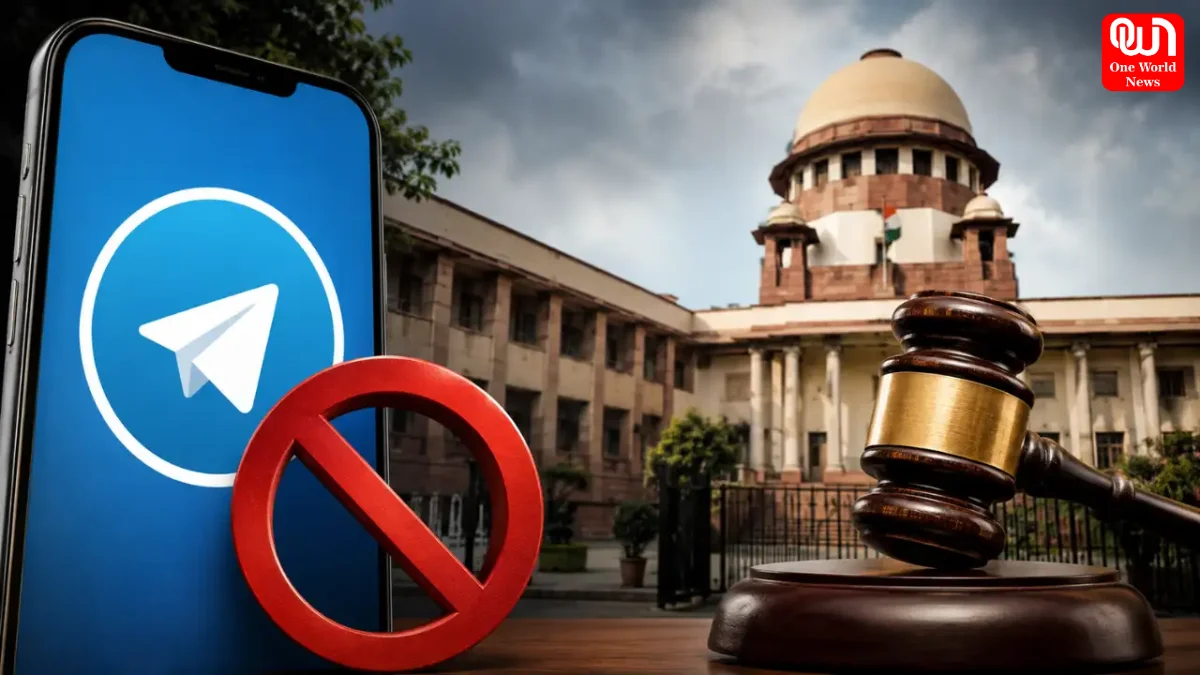
Telegram Ignored Repeated Warnings, Failed To Address Key Concerns: Centre To Tell Delhi Court
The ongoing legal battle between Telegram and the Indian government has taken a significant turn as the Centre prepares to inform the Delhi Court that the messaging platform allegedly ignored repeated warnings and failed to adequately address several critical concerns raised by authorities. The matter is being heard in the Delhi High Court after Telegram challenged the government’s temporary decision to restrict access to the platform in India.
The controversy stems from allegations that Telegram channels were being used to facilitate the circulation of leaked examination papers related to the NEET-UG 2026 re-examination. Government agencies claim that despite multiple engagements and warnings, Telegram did not take sufficient action to prevent the misuse of its platform.
Read more: How To Choose The Right Coord Set According To Your Body Shape – Complete Fashion Guide
Why the Centre Took Action Against Telegram
According to government sources, authorities had been communicating with Telegram since May regarding concerns about channels allegedly involved in examination-related malpractice. The Centre is expected to argue before the Delhi Court that these concerns were repeatedly highlighted but failed to receive satisfactory responses from the platform.
The government has maintained that its decision was not sudden but came after weeks of discussions and attempts to address the issue through cooperation. Officials believe that the temporary restriction was necessary to protect the integrity of the NEET-UG re-examination and prevent further misuse of digital platforms.
Centre Claims Telegram Failed to Address Key Concerns
One of the main arguments that the Centre plans to present in the Delhi Court is that Telegram allegedly failed to provide adequate information regarding certain channels under investigation. Authorities claim that requests for data and cooperation were not sufficiently addressed despite repeated communications.
Solicitor General Tushar Mehta, representing the government, reportedly informed the court that substantial evidence exists indicating misuse of the platform. He also stated that authorities possess “shocking” material that would be presented before the court to justify the government’s actions.
The Centre further argues that some channels allegedly resurfaced even after being blocked, raising questions about the effectiveness of Telegram’s moderation and enforcement mechanisms.
Telegram Defends Its Position
Telegram has strongly opposed the government’s temporary restrictions and has approached the Delhi Court seeking relief. The company argues that it has consistently cooperated with Indian authorities, attended official meetings, and removed channels whenever specific requests were received.
The messaging platform has described the blocking order as arbitrary and disproportionate, claiming that millions of legitimate users are being affected because of the actions of a small number of individuals. Telegram also contends that such restrictions could have broader implications for digital rights and freedom of expression.
Delhi Court Hearing and What Happens Next
The Delhi Court has issued notices to the concerned parties and sought detailed responses from the Centre. The government is expected to submit supporting documents and evidence to strengthen its case against Telegram.
As the hearing progresses, the court will examine whether the government’s temporary restrictions were justified under the Information Technology Act and whether Telegram adequately responded to concerns raised by authorities. The outcome could have significant implications for digital platforms operating in India and their responsibilities in preventing misuse.
Impact on Digital Platforms in India
The dispute highlights the growing challenge faced by governments and technology companies in balancing user privacy, freedom of communication, and public interest. As digital platforms continue to play a major role in information sharing, authorities are increasingly demanding stronger compliance mechanisms to prevent illegal activities.
The case involving Telegram Ignored Repeated Warnings allegations is likely to become an important benchmark for future regulations governing online platforms in India. The final decision of the Delhi Court will be closely watched by technology companies, policymakers, and millions of internet users across the country.
We’re now on WhatsApp. Click to join.
Like this post?
Register at One World News to never miss out on videos, celeb interviews, and best reads.