Earthquake Philippines: At Least 4 Dead, Over 200 Injured After Powerful 7.8 Magnitude Quake Hits
Earthquake Philippines update: A powerful 7.8 magnitude quake killed several people, injured over 200, and caused widespread damage.

Earthquake Philippines: At Least 4 Dead, Over 200 Injured After 7.8 Magnitude Quake Hits
A powerful Earthquake Philippines event has left communities devastated after a massive 7.8 magnitude earthquake struck the southern region of the country. The strong tremor caused buildings to collapse, injured hundreds of people, and triggered tsunami warnings across several parts of Asia. Rescue teams have been deployed as authorities continue to assess the full extent of the damage. According to initial reports, at least four people lost their lives, while more than 200 others suffered injuries.
7.8 Magnitude Earthquake Shakes Southern Philippines
The earthquake struck off the coast of Mindanao, one of the largest islands in the Philippines. Residents across several provinces felt intense shaking that lasted for several seconds. Many people rushed out of homes, schools, offices, and shopping centers in fear as buildings swayed and debris fell from structures. The earthquake was strong enough to be felt in neighboring countries, causing widespread concern throughout the region.
Experts stated that the earthquake occurred offshore, but its strength caused severe shaking on land. Several strong aftershocks followed the main quake, increasing fear among residents and complicating rescue efforts.
Casualties Rise as Rescue Operations Continue
The latest reports indicate that multiple people were killed during the disaster, while more than 200 individuals sustained injuries. Most injuries were caused by falling debris, collapsing walls, and damaged buildings. Emergency responders continue searching through affected areas to locate trapped victims and provide medical assistance to those in need.
Officials have warned that casualty numbers could increase as rescue teams gain access to remote locations and complete damage assessments. Hospitals across the affected region have been treating a large number of injured residents since the earthquake struck.
Buildings Damaged and Infrastructure Affected
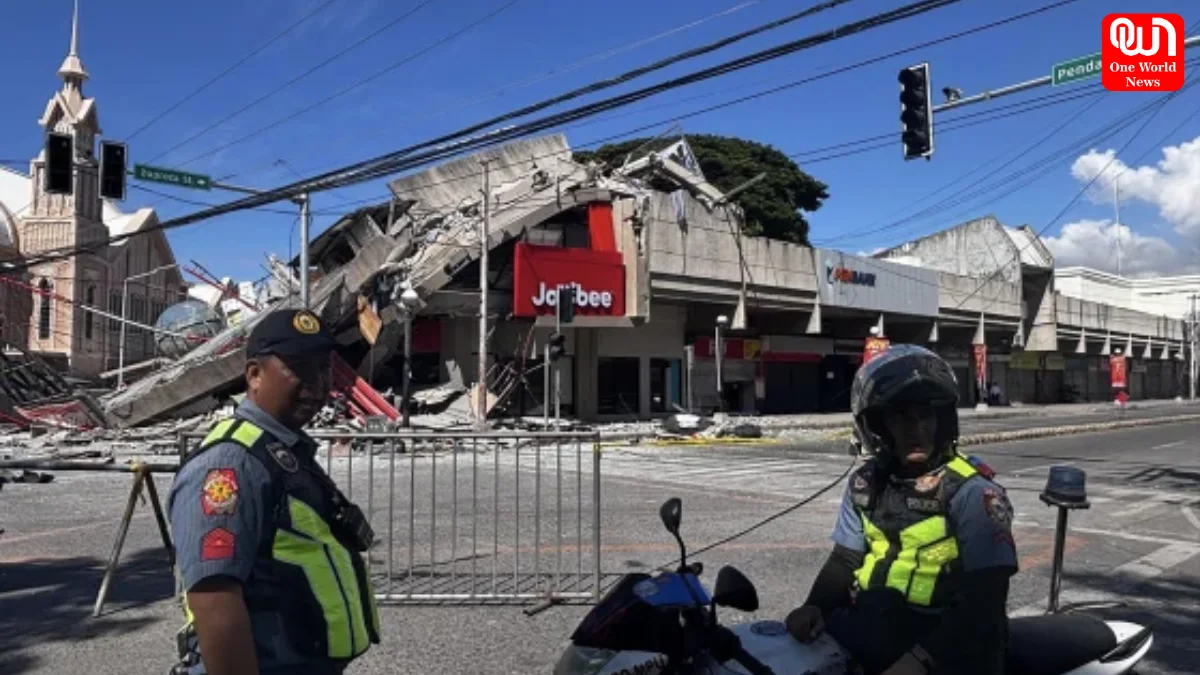
The Earthquake Philippines disaster caused significant structural damage in several cities. Reports indicate that buildings collapsed, roads suffered cracks, and public facilities experienced varying levels of destruction. Some schools and commercial establishments were evacuated immediately after the shaking began.
Transportation services were also disrupted. Authorities temporarily suspended operations at certain facilities while engineers inspected structures for safety. Power interruptions were reported in several locations, creating additional challenges for emergency workers and residents.
Tsunami Warnings Issued Across the Region
Following the powerful earthquake, tsunami alerts were issued for parts of the Philippines and nearby countries. Coastal residents were advised to move to higher ground as authorities monitored sea-level changes. While tsunami activity was eventually reported to be less severe than initially feared, precautionary evacuations helped protect thousands of people living near the coast.
Emergency agencies remained on high alert throughout the day, carefully monitoring aftershocks and possible secondary hazards associated with the earthquake.
Government Launches Emergency Response
Philippine authorities quickly activated disaster response operations after the earthquake. Rescue personnel, medical teams, and emergency supplies were dispatched to the hardest-hit areas. Government officials assured citizens that relief efforts would continue until all affected communities receive assistance.
Temporary shelters have been established for families whose homes were damaged or destroyed. Authorities are also conducting inspections to determine which buildings remain safe for public use.
Why the Philippines Experiences Frequent Earthquakes
The Philippines is located along the Pacific Ring of Fire, one of the world’s most active seismic zones. This region experiences frequent earthquakes due to the movement of tectonic plates beneath the Earth’s surface. As a result, earthquakes and volcanic activity are common occurrences in the country.
Scientists continue to monitor seismic activity closely and remind residents to remain prepared for future earthquakes through emergency planning and awareness programs.
Conclusion
The recent Earthquake Philippines tragedy highlights the destructive power of natural disasters and the importance of preparedness. With lives lost, hundreds injured, and infrastructure damaged, recovery efforts are expected to continue for weeks. As rescue teams work tirelessly and authorities provide assistance to affected communities, the nation remains focused on supporting victims and rebuilding damaged areas. The earthquake serves as a reminder of the seismic risks faced by countries located within the Pacific Ring of Fire.
We’re now on WhatsApp. Click to join.
Like this post?
Register at One World News to never miss out on videos, celeb interviews, and best reads.