Trump Administration Tightens Immigration: Green Card Applicants Must Now Apply from Home Countries
The new Trump Green Card policy mandates that applicants must apply from their home countries. Learn how this impacts H-1B visa holders and US immigration.

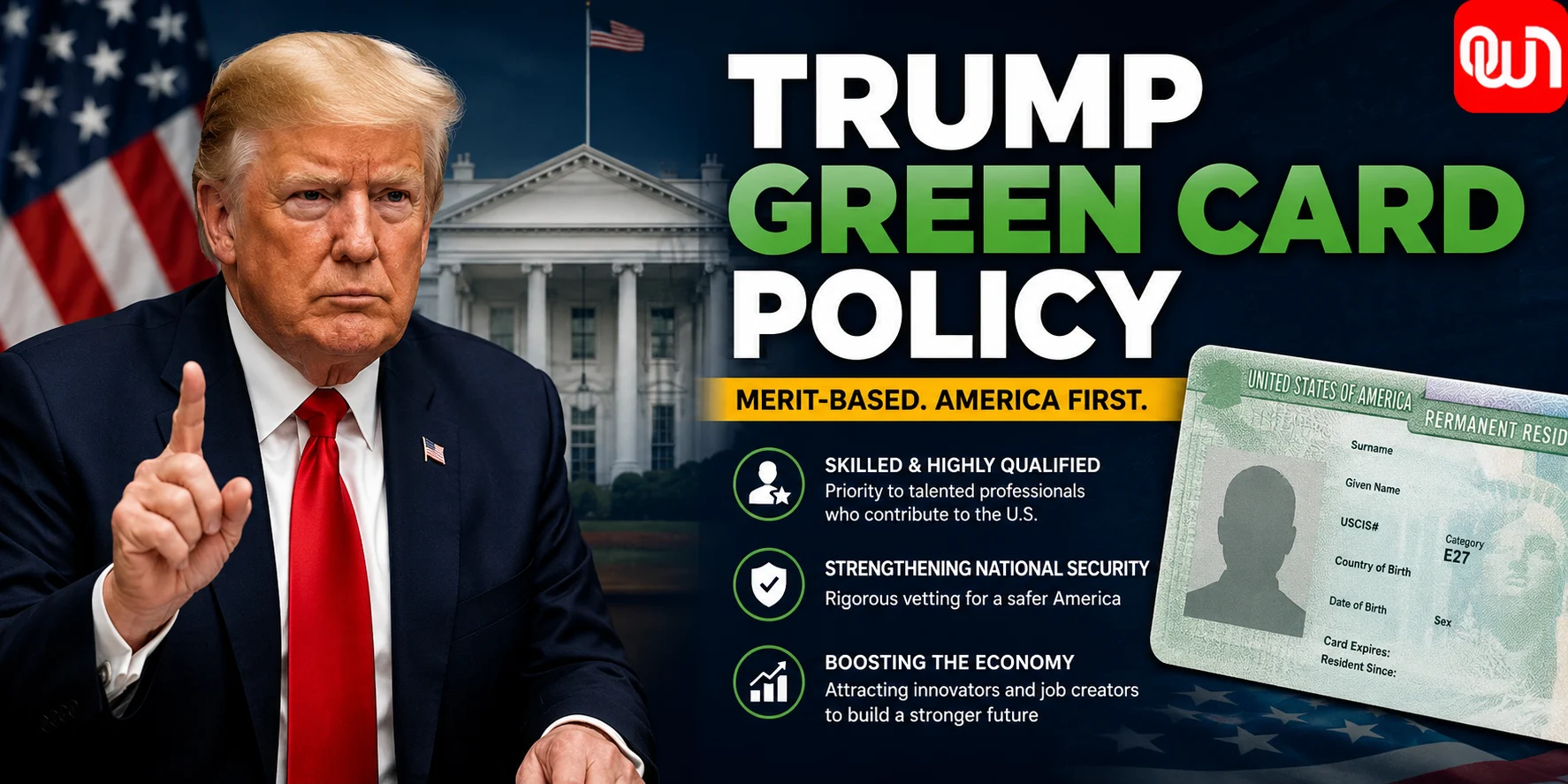
WASHINGTON D.C. — In a massive shift to US immigration policy, the Trump administration has introduced stringent new rules regarding permanent residency. According to recent reports, a new mandate dictates that individuals seeking a US Permanent Resident Card will no longer be allowed to adjust their status from within the United States. Instead, they must apply from their home countries.
As searches for the Trump green card policy surge on Google Trends, thousands of immigrant workers, students, and families are scrambling to understand how this sweeping change will affect their American dream.
Here is a complete breakdown of the new immigration rules and who will be most impacted.
The Big Change: Elimination of ‘Adjustment of Status’
Historically, foreigners living in the United States on valid temporary visas (such as H-1B, L-1, or F-1) could apply for a Green Card through a process called “Adjustment of Status” (Form I-485). This allowed them to remain in the US, continue working, and live their lives while their Green Card application was processed by USCIS.
Under the new Trump green card rules, this domestic pathway is essentially being closed. Applicants will now be required to undergo “Consular Processing.” This means individuals must return to their country of origin and attend an in-person interview at a US Embassy or Consulate to secure their immigrant visa before returning to the United States as a permanent resident.
Who is Most Impacted by the New Rules?
This policy shift will cause significant disruption across multiple sectors, but will primarily impact:
- H-1B Visa Holders (Tech & IT Professionals): Indian and Chinese nationals, who make up the vast majority of H-1B workers and face decades-long Green Card backlogs, will be heavily impacted. Traveling back home for processing introduces the risk of administrative delays or temporary job displacement.
- International Students (F-1/OPT): Students hoping to transition from student visas to permanent residency will no longer be able to wait out the process seamlessly from within the US.
- Family-Sponsored Immigrants: Spouses and relatives of US citizens or permanent residents who are currently in the US on dual-intent visas will face forced travel and potential family separation during the processing period.
Why is the Administration Doing This?
The Trump administration argues that the new rule is necessary to tighten national security and ensure extreme vetting of all intending immigrants. By mandating consular processing, the administration shifts the burden of background checks and interviews to US embassies abroad, aiming to reduce the massive backlog currently facing the domestic USCIS system.
Critics, however, argue that this will create a logistical nightmare for US businesses that rely on highly skilled immigrant labor, forcing vital employees to leave the country for indeterminate amounts of time.
What Should Applicants Do Next?
Immigration attorneys are advising foreign nationals currently in the US to act cautiously.
- Consult Legal Counsel: Before booking flights or leaving the US, consult with an immigration lawyer to understand how this specific rule applies to your current visa status.
- Monitor Legal Challenges: Sweeping immigration changes are almost always met with immediate lawsuits. Federal judges may issue injunctions that could temporarily halt the implementation of this mandate.
- Prepare Documentation: Those who must go through Consular Processing should ensure all tax, employment, and legal documents are meticulously organized to prevent delays at their home country’s US embassy.
(Stay tuned to this space for live updates as the legal and logistical realities of the new Trump Green Card policy unfold).
This new policy will force thousands of LEGAL immigrants, including spouses of US citizens, to leave their homes, families, and jobs for weeks or even months to get their green card outside the U.S.
This is an absurd and cruel policy. https://t.co/89gfVnYJih
— Congressman Chuy García (@RepChuyGarcia) May 22, 2026