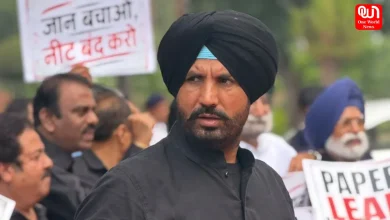
Delhi-NCR Taxi, Transport Unions Begin 3-Day Strike Over Rising Fuel Prices, Fare Demands
Delhi-NCR taxi and transport unions begin a 3-day strike demanding fare hikes amid rising fuel prices and driver concerns.

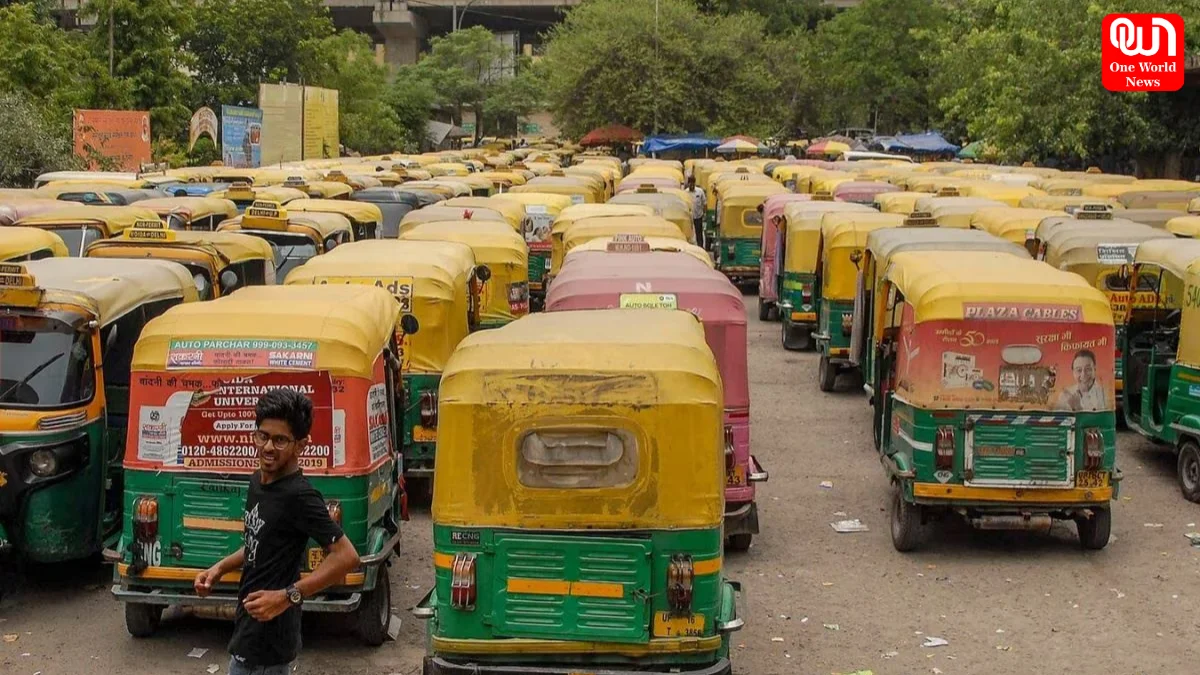
Delhi-NCR Taxi, Auto and Transport Unions Begin 3-Day Strike Amid Rising Fuel Prices, Driver Exploitation and Fare Revision Demands
Commuters across the National Capital Region are likely to face major travel disruptions as Delhi-NCR Taxi, Transport Unions Begin 3-Day Strike over increasing fuel prices and pending fare revision demands. The strike, which started on May 21, has been called by several commercial vehicle unions operating in Delhi, Noida, Gurugram, Ghaziabad, and nearby NCR regions.
The protest has been organized under the banners of the All India Motor Transport Congress (AIMTC) and Chaalak Shakti Union. Union leaders claim that the continuous rise in CNG, petrol, and diesel prices has severely affected the livelihood of taxi, auto, and commercial drivers.
Why Are Delhi-NCR Transport Unions on Strike?
The primary reason behind the strike is the demand for an immediate revision of taxi and auto fares in Delhi-NCR. According to transport unions, fares have not been revised significantly for nearly 15 years despite sharp increases in fuel and maintenance costs.
Drivers argue that rising inflation, vehicle insurance costs, permit fees, and expensive fuel rates are making it difficult to sustain daily operations. Many drivers have also raised concerns regarding low earnings from app-based taxi aggregators such as Ola, Uber, and Rapido.
Union representatives stated that app-based companies continue to reduce driver incentives while commuters pay surge pricing during peak hours. Drivers allege that the system is economically exploitative and leaves little profit margin for drivers after fuel expenses.
Areas Likely to Be Affected During the Strike
The strike is expected to impact transportation services across several major NCR cities including:
- Delhi
- Noida
- Gurugram
- Ghaziabad
- Faridabad
Passengers may experience:
- Longer waiting times for cabs and autos
- Ride cancellations on app-based platforms
- Increased surge pricing
- Reduced availability of public transport in some areas
Reports suggest that wholesale markets, logistics services, and online delivery operations may also witness slowdowns due to the “Chakka Jam” protest.
Read more: International Beer Day 2026: History, Celebration Ideas & Fun Facts About the Global Beer Festival
Some Taxi and Auto Unions Distance Themselves
Interestingly, not all transport associations are supporting the strike. Several Delhi-based taxi and auto unions have clarified that services will continue normally at railway stations, bus terminals, and airports.
The Delhi Taxi and Tourist Transport Association stated that they would not participate in the protest, citing public inconvenience and national economic concerns due to rising global oil prices.
However, participating unions warned that if the government fails to address their concerns, the protest could intensify into a larger movement in the coming weeks.
Impact of Rising Fuel Prices on Drivers
The recent increase in petrol and diesel prices has added more financial pressure on commercial drivers. Fuel prices in Delhi recently crossed ₹98 per litre for petrol and over ₹91 per litre for diesel, while CNG prices have also risen steadily.
Drivers claim that despite the increase in operational expenses, fare structures remain outdated. Many believe that without government intervention and fare revisions, thousands of drivers could struggle financially.
Experts say the strike highlights the growing tension between transport workers and app-based mobility companies across India.
Read more: Token Amount Not Returned by Builder: How to Claim It Back in Court
Government Response and Future Developments
Transport unions have requested meetings with Delhi government officials and the Lieutenant Governor to discuss fare revision policies and driver welfare measures. The unions are also demanding stricter regulations on app-based aggregators.
As of now, the Delhi government has not officially announced any fare revision. However, commuters are advised to plan travel in advance during the three-day protest period.
If negotiations fail, unions have warned of larger demonstrations and extended strikes in the future.
We’re now on WhatsApp. Click to join.
Like this post?
Register at One World News to never miss out on videos, celeb interviews, and best reads.