
Protect Wooden Furniture From Termites: Effective Tips to Keep Your Furniture Safe
Wooden furniture adds warmth, elegance, and durability to every home. However, termites can silently destroy expensive wooden cabinets

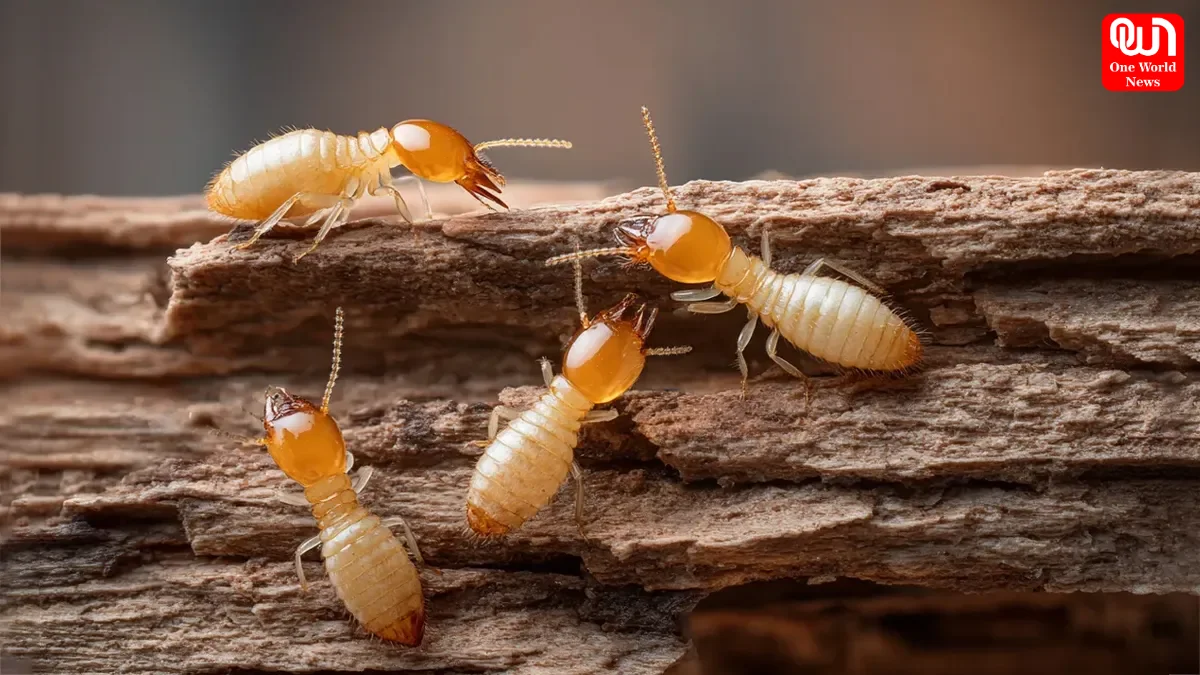
Effective Ways To Protect Wooden Furniture From Termites and Prevent Long-Term Damage at Home
Wooden furniture adds warmth, elegance, and durability to every home. However, termites can silently destroy expensive wooden cabinets, beds, doors, and tables if preventive care is ignored. These tiny pests feed on cellulose found in wood and often remain unnoticed until severe damage appears. Fortunately, there are several practical ways to protect wooden furniture from termites and maintain its quality for years.
One of the biggest reasons termites attack furniture is excess moisture. Damp wood creates the perfect environment for termite growth. Keeping your furniture dry and well-ventilated is the first step in termite prevention. Avoid placing wooden furniture near leaking pipes, damp walls, or areas with poor airflow. Experts also recommend fixing water leaks immediately to reduce humidity levels inside the house.
Applying anti-termite polish or wood sealant is another highly effective method. Protective coatings create a barrier on the wood surface and reduce moisture absorption, making it difficult for termites to attack the furniture. Oil-based varnishes and termite-resistant polishes are commonly used for long-term protection. Regular polishing not only improves the appearance of wooden furniture but also increases resistance against insects and decay.
Choosing termite-resistant wood can also make a major difference. Hardwoods such as teak and neem are naturally more resistant to termites than softer woods. Pressure-treated wood and borate-treated plywood are also considered safer options for furniture and cabinets, especially in moisture-prone areas like kitchens and bathrooms.
Regular inspection is equally important. Many homeowners fail to notice termites until furniture becomes hollow from the inside. Signs of infestation include tiny holes in wood, mud tubes, discarded wings near windows, wood dust, or hollow sounds when tapping furniture surfaces. Early detection can prevent costly repairs and furniture replacement.
Sunlight is another natural enemy of termites. If possible, place wooden furniture under direct sunlight for a few hours occasionally. Heat and ultraviolet rays help remove moisture and can discourage termite activity. This simple technique works especially well during humid or rainy seasons when termite infestation becomes more common.
Home remedies can also provide temporary protection. A mixture of white vinegar and olive oil is often used as a natural termite repellent. Some homeowners also apply aloe vera gel to wooden surfaces because it forms a protective layer against termites. While these remedies may not eliminate large infestations, they can help in preventive care for minor termite problems.
Keeping furniture away from direct soil contact is another smart prevention method. Outdoor wooden furniture placed directly on grass or damp surfaces can easily absorb moisture and attract termites. Use risers, rubber pads, or concrete bases to elevate furniture slightly above the ground. Proper airflow underneath the furniture reduces the risk of termite infestation.
Professional pest control treatments remain one of the most reliable solutions for long-term termite prevention. Experts use chemical barriers, borate wood treatments, bait systems, and termite injections to eliminate hidden colonies and protect furniture from future attacks. Annual termite inspections are highly recommended, especially in humid regions where termite activity is more common.
Read mo9re: Political Roundup: West Bengal Phase 2 Voting Sees Clashes and High Turnout
Maintaining cleanliness around wooden furniture is also essential. Avoid storing newspapers, cardboard boxes, and unused wooden items near furniture because termites feed on cellulose materials. Keeping storage spaces clutter-free reduces termite attraction and helps in early inspection. Proper ventilation in wardrobes, cabinets, and kitchen drawers can further prevent dampness and termite growth.
In conclusion, protecting wooden furniture from termites requires regular maintenance, moisture control, and timely inspections. Simple practices like applying wood polish, using termite-resistant materials, improving ventilation, and scheduling pest control can significantly reduce termite damage. With proper care and preventive measures, your wooden furniture can remain beautiful, durable, and termite-free for many years.
We’re now on WhatsApp. Click to join.
Like this post?
Register at One World News to never miss out on videos, celeb interviews, and best reads.