
Why People Are Suddenly Quitting Jobs in 2026
The modern workforce is changing fast — and employees are no longer willing to stay in jobs that drain their time, health, and future growth.

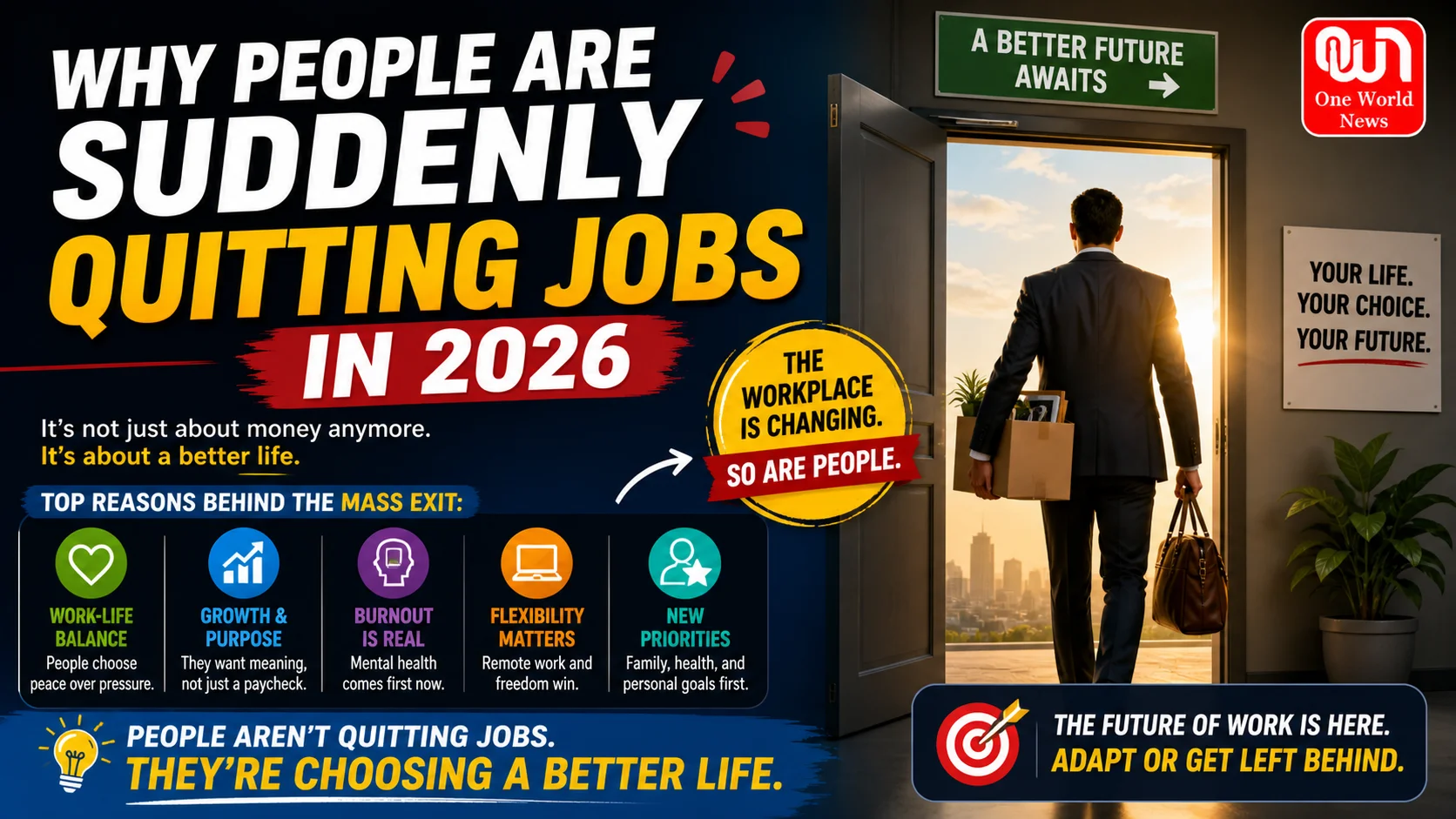
In 2026, companies across industries are witnessing an unexpected rise in employee resignations. From tech startups to traditional corporate offices, workers are leaving their jobs at record levels. While salary remains important, today’s workforce is prioritizing flexibility, mental health, work-life balance, career purpose, and long-term stability more than ever before.
The workplace has evolved dramatically over the last few years, and employees are reevaluating what success truly means. This shift is creating a major transformation in global hiring trends and corporate culture.
The Biggest Reasons Employees Are Quitting Jobs in 2026
Burnout and Mental Exhaustion
Many employees are overwhelmed by unrealistic workloads, constant online availability, and high-performance pressure. Burnout has become one of the leading causes of resignations in 2026, especially in fast-paced industries like technology, marketing, finance, and healthcare.
Workers now value mental well-being more than ever and are choosing healthier lifestyles over toxic work environments.
Remote Work Expectations Are Changing
Employees who experienced remote or hybrid work flexibility are unwilling to return to rigid office schedules. Companies enforcing mandatory office attendance are seeing increased resignation rates.
Professionals today expect:
- Flexible work hours
- Hybrid work options
- Better work-life balance
- Freedom to work from different locations
Organizations failing to adapt are struggling to retain top talent.
Employees Want Higher Salaries and Better Benefits
Rising living costs, inflation, and economic uncertainty have pushed employees to seek better-paying opportunities. Workers are actively comparing compensation packages and moving to companies that offer:
- Competitive salaries
- Health benefits
- Paid leave
- Performance bonuses
- Career development programs
Many employees feel their current compensation no longer matches their workload or market value.
Younger Workers Are Redefining Career Success
H3: Gen Z Prioritizes Purpose Over Job Titles
Younger professionals are not staying in jobs solely for prestige. They want meaningful work, ethical leadership, and companies that align with their personal values.
If employees feel disconnected from company culture or mission, they are more likely to quit and explore alternative careers, freelancing, or entrepreneurship.
Social Media Is Influencing Career Decisions
Platforms like LinkedIn, YouTube, and TikTok have changed how people view careers. Employees constantly see stories about:
- Remote income opportunities
- Freelancing success
- Startup culture
- Digital nomad lifestyles
- Better workplace environments
This exposure encourages workers to leave unfulfilling jobs and pursue more flexible careers.
AI and Automation Are Creating Job Anxiety
Artificial intelligence is rapidly changing workplace dynamics in 2026. Many employees fear job replacement, reduced growth opportunities, or changing skill requirements.
As AI tools automate repetitive tasks, workers are quitting outdated roles to:
- Upskill in AI-related fields
- Transition into creative industries
- Learn digital skills
- Explore independent income streams
Career uncertainty is pushing professionals to rethink long-term employment strategies.
Toxic Workplace Culture Is No Longer Tolerated
Employees today are less willing to tolerate:
- Micromanagement
- Lack of appreciation
- Poor leadership
- Workplace politics
- Excessive stress
Modern professionals value respectful leadership and healthy company culture. Negative environments now lead to faster employee turnover than ever before.
Read More: This Simple Trick Can Save You Thousands Every Year
Companies Must Adapt to Retain Talent
Businesses that want to reduce resignations in 2026 must focus on:
- Employee wellness
- Flexible work models
- Transparent leadership
- Fair compensation
- Career growth opportunities
- Positive workplace culture
Companies investing in employee satisfaction are more likely to retain skilled professionals and remain competitive.
Conclusion
The sudden rise in job resignations in 2026 is not simply about employees wanting higher salaries. It reflects a deeper cultural shift in how people view work, success, health, and personal freedom.
Today’s workforce is prioritizing flexibility, purpose, mental well-being, and meaningful growth. Companies that fail to evolve may continue losing valuable talent, while organizations that adapt to modern employee expectations will thrive in the future workplace.