Commercial LPG Price Hiked by ₹993 Amid Iran War Shock
Commercial LPG Price Hiked by ₹993 amid Iran war, domestic cylinder rates unchanged. Businesses face cost surge while households get relief.

Commercial LPG Price Hiked by ₹993 Amid Iran War Crisis, Domestic Rates Unchanged Bringing Mixed Relief
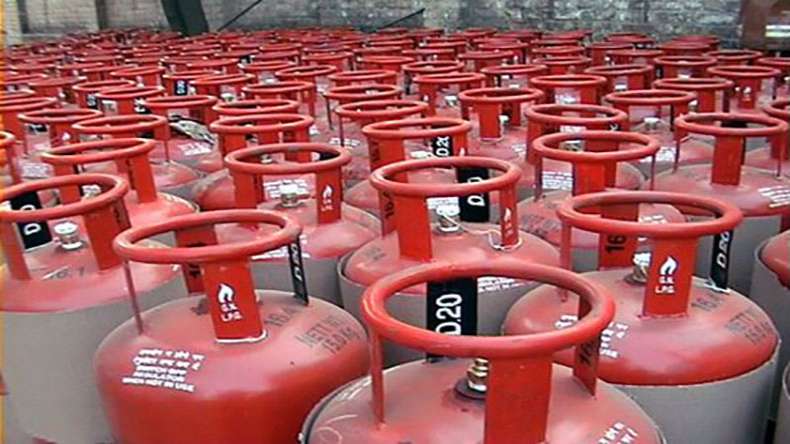
India woke up to a major energy price shock as the commercial LPG price hiked by ₹993 starting May 1, 2026. The steep increase comes amid escalating geopolitical tensions linked to the Iran war, which has disrupted global fuel supply chains and pushed crude oil prices higher.
While this sudden hike has raised concerns among businesses, there is a small relief for households—domestic LPG cylinder prices remain unchanged, at least for now.
What Exactly Has Changed?
The price of a 19 kg commercial LPG cylinder has jumped by ₹993, taking the new cost in Delhi to approximately ₹3,071.50.
This is one of the steepest single hikes ever recorded in India’s LPG pricing history. The increase is not isolated but part of a trend, as commercial LPG rates have been revised upward multiple times since the Iran conflict began earlier in 2026.
On the other hand, domestic LPG cylinders (14.2 kg) continue to be priced around ₹913 in Delhi, offering temporary relief to households.
Read more: Political Roundup: West Bengal Phase 2 Voting Sees Clashes and High Turnout
Why Is Commercial LPG Price Hiked?
The primary reason behind this surge is the ongoing Iran war and Middle East tensions, which have severely impacted global oil markets.
- Crude oil prices have crossed $100 per barrel
- Supply routes like the Strait of Hormuz have been disrupted
- India, which imports a large portion of LPG, is facing supply pressure
Since LPG prices in India are closely tied to international energy markets, any disruption globally directly affects domestic pricing—especially for commercial users.
Impact on Businesses and Consumers
The hike in commercial LPG prices is expected to have a direct and immediate impact on businesses, particularly:
- Restaurants and cafes
- Hotels and catering services
- Small food vendors
- Industrial units using LPG
For these sectors, fuel is a major operational cost. A ₹993 increase per cylinder could significantly raise expenses, forcing businesses to either absorb losses or pass costs to customers.
Experts warn that this could lead to:
- Higher food prices
- Increased dining costs
- Inflationary pressure in urban areas
According to reports, this is already the third consecutive hike since the Iran conflict began, amplifying financial strain on businesses.
Why Domestic LPG Prices Remain Unchanged
Despite global pressure, the government and oil companies have chosen to keep domestic LPG prices stable.
This decision appears to be aimed at:
- Protecting household budgets
- Controlling inflation
- Avoiding public backlash
Domestic LPG is widely used for cooking in Indian homes, and any increase directly affects millions of families. Keeping prices unchanged provides temporary relief, especially for middle- and lower-income households.
A Growing Trend of Energy Volatility
The latest hike reflects a broader trend of energy price volatility in 2026.
Over the past few months:
- Commercial LPG prices have seen repeated increases
- Global fuel supply chains have been unstable
- Geopolitical conflicts have intensified
In fact, commercial LPG prices have surged from around ₹2,078 in April to over ₹3,000 in May—an unprecedented jump in a short time.
This highlights how deeply India’s energy market is connected to global developments.
What Lies Ahead?
The future of LPG prices will largely depend on:
- Stability in the Middle East
- Crude oil price trends
- Government policy decisions
If the Iran conflict continues or worsens, further hikes in commercial LPG cannot be ruled out. However, domestic LPG prices may remain controlled for political and economic reasons.
Conclusion
The Commercial LPG Price Hiked by ₹993 marks a significant development in India’s energy landscape. While households have been shielded for now, businesses are facing a sharp cost burden.
This situation underscores the fragile balance between global geopolitics and domestic economics. As the Iran war continues to influence fuel markets, both consumers and businesses must prepare for ongoing uncertainty in energy prices.
We’re now on WhatsApp. Click to join.
Like this post?
Register at One World News to never miss out on videos, celeb interviews, and best reads.