
India-New Zealand FTA: Six Key Sectors Set to Benefit from a Once-In-A-Generation Trade Deal
India-New Zealand FTA unlocks growth in 6 key sectors with zero-duty exports, jobs, and investment opportunities for India’s economy.

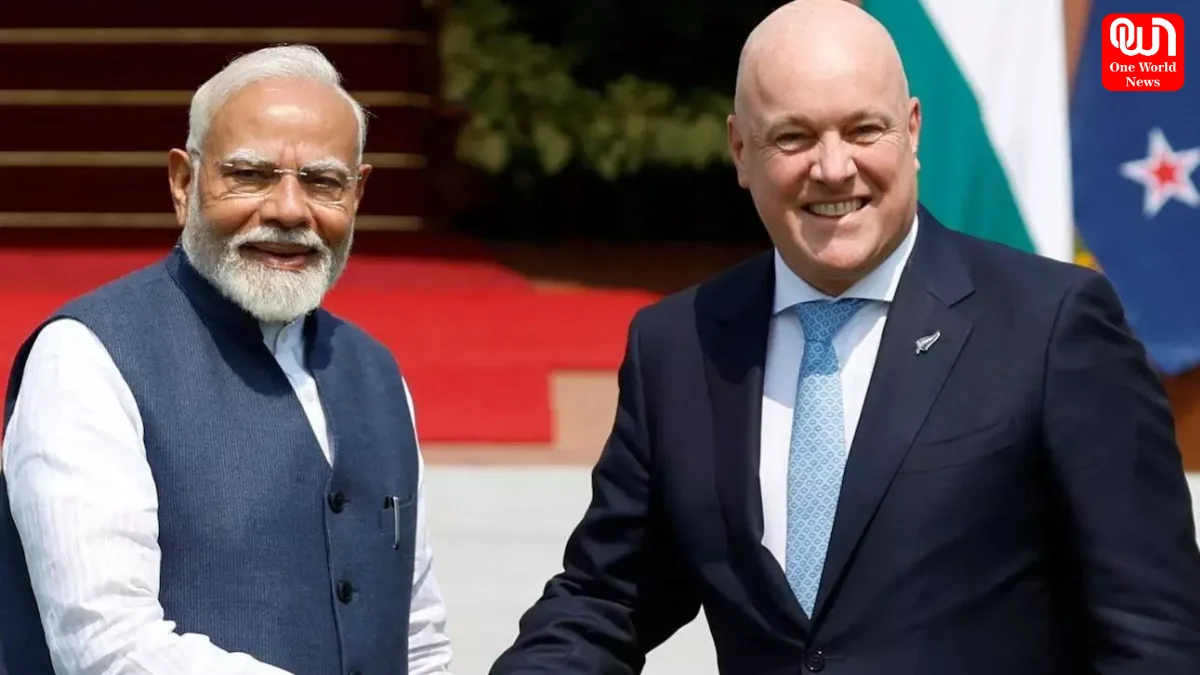
India-New Zealand FTA Explained: Six Key Sectors That Stand to Gain from This Once-In-A-Generation Trade Deal Boosting Exports, Jobs, and Investment
The India-New Zealand FTA is being hailed as a transformative milestone in global trade, marking a new era of economic cooperation between the two nations. After years of stalled negotiations, the agreement finally unlocks unprecedented opportunities across goods, services, and investments. With 100% duty-free access for Indian exports and significant tariff reductions for New Zealand goods, the deal is poised to reshape bilateral trade dynamics.
What makes this agreement truly “once-in-a-generation” is not just its scale, but its deep structural impact on multiple industries. From traditional manufacturing to high-growth services, several sectors stand to gain significantly.
1. Textiles and Apparel: A Massive Export Boost
India’s textile and apparel sector is among the biggest beneficiaries of the India-New Zealand FTA. With tariffs eliminated, Indian exporters gain a strong price advantage in the New Zealand market.
Labour-intensive industries like textiles and garments are expected to see increased demand, driving job creation and MSME growth.
This is especially important as the sector employs millions and plays a key role in India’s export economy.
2. Leather, Footwear, and Handicrafts
Another major winner is India’s leather and handicrafts industry. These sectors, often driven by small businesses and artisans, will benefit from easier market access and improved competitiveness.
The FTA provides zero-duty entry for products like leather goods, footwear, and handicrafts, making them more attractive to New Zealand buyers.
This could significantly boost exports while supporting traditional craftsmanship.
Read more: AAP Faces Its Toughest Test After Raghav Chadha Split: Inside Delhi Durbar Power Struggles
3. Pharmaceuticals and Healthcare
India’s pharmaceutical sector is set to gain from improved regulatory access and smoother trade processes under the agreement.
With growing global demand for affordable medicines, Indian pharma companies can expand their presence in New Zealand’s healthcare market. Additionally, the agreement includes provisions for traditional medicine and healthcare services, opening new avenues for collaboration.
This sector is expected to benefit not just from exports, but also from knowledge exchange and innovation partnerships.
4. Engineering Goods and Manufacturing
The India-New Zealand FTA strongly supports manufacturing-led exports, particularly engineering goods. Products such as machinery, auto components, and industrial equipment will now enjoy duty-free access.
This gives Indian manufacturers a competitive edge and strengthens their role in global supply chains.
For MSMEs, this is a major opportunity to scale operations and enter a developed market with fewer barriers.
5. Agriculture and Food Processing
Agriculture and food processing are also set to benefit, though with careful safeguards for sensitive sectors like dairy.
Indian exporters of processed foods, marine products, and agricultural goods can tap into new demand in New Zealand. At the same time, India has protected its domestic agriculture by excluding critical segments from full liberalization.
This balanced approach ensures growth without compromising local farmers’ interests.
6. Services, Education, and Skilled Workforce
Beyond goods, the India-New Zealand FTA places strong emphasis on services and mobility. The agreement introduces visa pathways for Indian professionals, enabling thousands to work and gain international exposure.
Sectors like IT, education, and professional services are expected to see increased collaboration. This aligns with the broader goal of enhancing skill mobility and creating global opportunities for Indian talent.
In fact, experts suggest the deal is as much about people-to-people connections as it is about trade.
Why This Deal Matters
The India-New Zealand FTA is more than just a trade agreement—it is a strategic partnership aimed at long-term growth. By eliminating tariffs, simplifying regulations, and promoting investment, the deal creates a robust framework for economic cooperation.
It is expected to boost bilateral trade significantly, strengthen MSMEs, and generate employment across multiple sectors.
At a time when global supply chains are shifting, this agreement positions India as a competitive manufacturing and export hub while giving New Zealand access to one of the world’s fastest-growing markets.
rad more: Political Roundup: Major Shift as Raghav Chadha and AAP MPs Join BJP
Final Thoughts
The India-New Zealand FTA represents a rare opportunity to accelerate growth across diverse sectors. From textiles and pharmaceuticals to services and agriculture, the benefits are widespread and long-term.
As implementation begins, businesses that adapt quickly and leverage the new trade environment will be best positioned to gain. In many ways, this deal is not just about trade—it’s about shaping the future of economic collaboration between two dynamic economies.
We’re now on WhatsApp. Click to join.
Like this post?
Register at One World News to never miss out on videos, celeb interviews, and best reads.