Political Roundup: Mumbai Traffic Clash Sparks Debate on Public Accountability
Political roundup: Mumbai protest traffic row sparks debate on accountability, citizens’ rights & political rallies disrupting daily life.

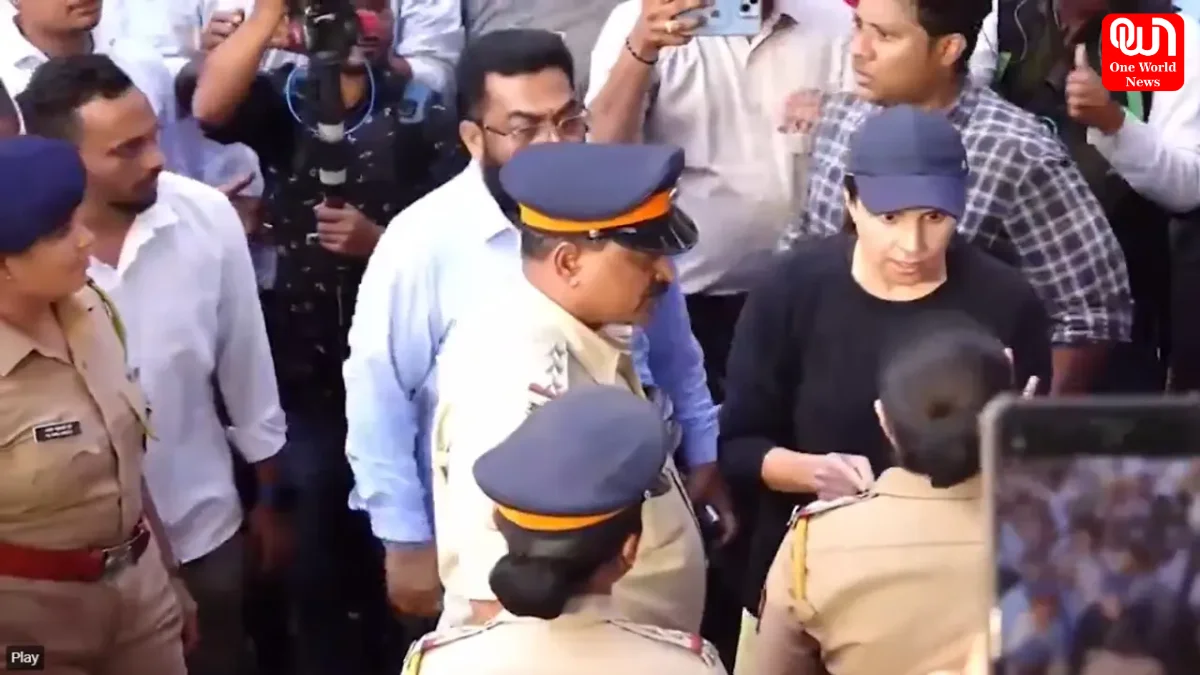
Political Roundup: Viral Mumbai Traffic Clash with Girish Mahajan Raises Big Questions on Protests, Democracy & Public Accountability
Let’s dive into a developing story that’s not just making headlines—but also triggering a nationwide conversation about public accountability in a democracy.
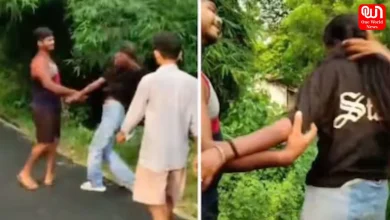
In a moment that quickly went viral, a woman in Mumbai confronted Maharashtra minister Girish Mahajan over massive traffic disruptions caused by a political morcha earlier this week. What followed wasn’t just a heated exchange—it became a symbol of growing public frustration.
The protest, organized by members of the Bharatiya Janata Party, led to significant traffic snarls across key parts of Mumbai, particularly in the busy Worli area. Thousands of commuters were left stranded, many for over an hour, as roads were blocked to accommodate the rally.
But what truly caught the nation’s attention wasn’t just the disruption—it was the voice of one citizen asking a question many have silently carried for years:
Why should the common public suffer for political demonstrations?
Videos of the confrontation spread rapidly across social media platforms. In them, the visibly frustrated woman can be seen demanding that protests be shifted to open grounds rather than public roads. Her anger reflected a larger sentiment—that civic inconvenience should not be normalized in the name of political expression.
Interestingly, even Girish Mahajan acknowledged that the rally caused inconvenience, though he also commented on the tone of the confrontation.
Meanwhile, authorities have reportedly taken note of procedural violations related to the protest.
A Debate Bigger Than One Incident
Now, let’s zoom out.
This isn’t just about one party.
This isn’t just about the BJP.
Across India, almost every political party—regardless of ideology—has, at some point, organized rallies, protests, or roadshows that disrupt daily life. From reservation protests to political marches, traffic jams and diversions have become almost routine in urban centers.
In fact, similar disruptions have been seen in past movements, where large gatherings brought entire city zones to a standstill.
So, the real question is not who is responsible—but what should be acceptable.
Read more: Gold And Silver Prices Surge: Latest Bullion Market Update
Democracy vs Daily Life
India, as a democracy, guarantees the right to protest. It’s a fundamental part of political expression. But it also guarantees citizens the right to movement, safety, and dignity.
In fast-paced cities like Mumbai, where time is currency, even a delay of 30 minutes can have cascading effects—missed work, delayed emergencies, or disrupted daily routines.
And that brings us to a critical dilemma:
Should public inconvenience be the cost of political expression?
Or is it time to rethink how protests are conducted in urban spaces?
The Rise of the Vocal Citizen
Perhaps the most significant takeaway from this incident is not the disruption—but the response.
The woman’s confrontation has resonated with millions because it represents a shift. A shift from silent frustration to vocal accountability.
Social media reactions have been sharply divided. Some have applauded her courage, calling it a necessary wake-up call for political leaders. Others argue that protests are essential tools in a democracy and occasional inconvenience is inevitable.
But one thing is undeniable—citizens are no longer passive observers.
They are questioning.
They are demanding.
They are participating.
Read more: India Will Never Bow To Terror: PM Modi Honours Victims Pahalgam Attack
What Comes Next?
As this debate continues to trend, it raises important questions for policymakers:
- Should stricter permissions be required for road-based protests?
- Can designated protest zones be enforced more effectively?
- How can authorities balance democratic rights with urban functionality?
The answers are not simple—but the conversation is necessary.
Because accountability in public spaces is no longer optional—it’s expected.
We’re now on WhatsApp. Click to join.
Like this post?
Register at One World News to never miss out on videos, celeb interviews, and best reads.