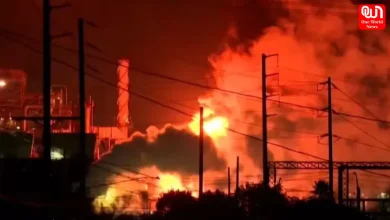
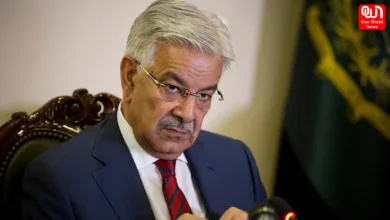
Iran Hits Back At Trump Over Hormuz Blockade Claims
Iran Hits Back At Trump over Hormuz Blockade claims, calling 7 statements false amid tensions over Strait of Hormuz control.

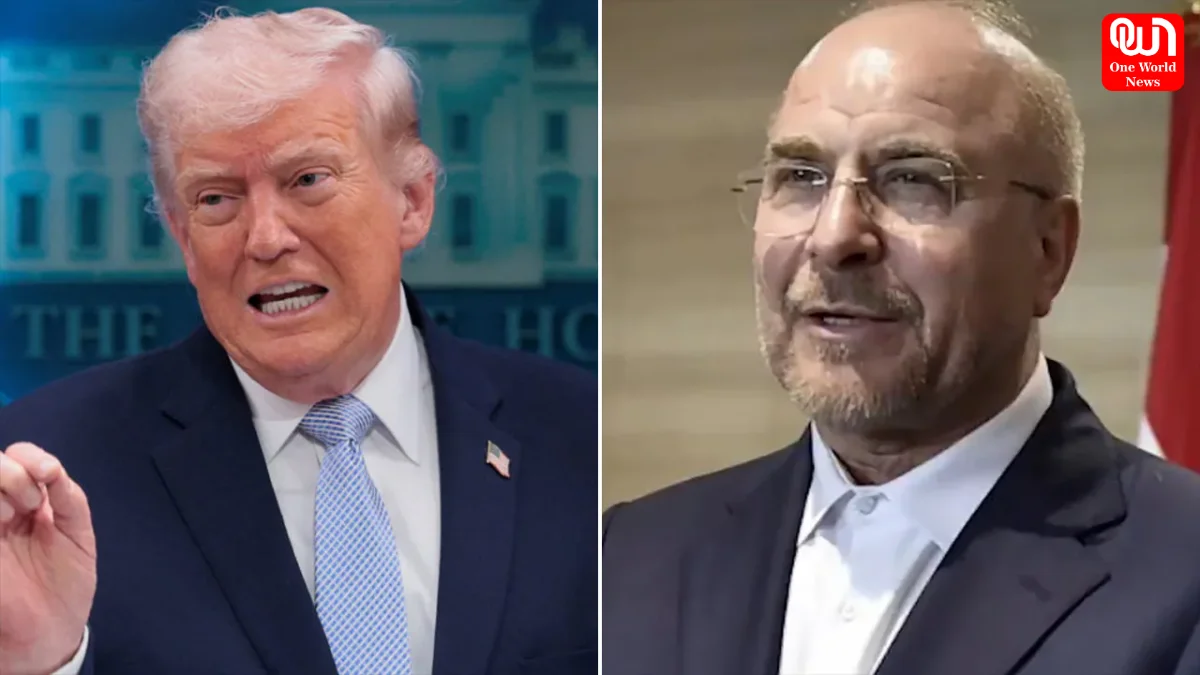
Iran Hits Back At Trump Over Hormuz Blockade, Calls ‘7 Claims In 1 Hour’ False Amid Rising Middle East Tensions
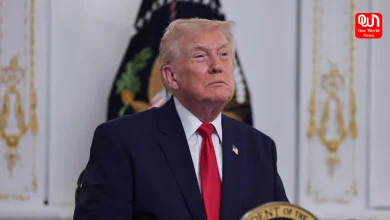
The geopolitical tension between the United States and Iran has once again intensified, with Tehran strongly rejecting a series of statements made by former U.S. President Donald Trump regarding the Strait of Hormuz and an alleged blockade. In a sharp rebuttal, Iran claimed that “seven claims made in one hour were all false,” directly challenging Trump’s narrative around the Hormuz situation and ongoing negotiations.
This latest exchange highlights the fragile and often contradictory nature of communication during high-stakes international conflicts—especially one centered around the Strait of Hormuz, a critical global oil chokepoint through which nearly a fifth of the world’s oil supply passes.
Read more: Lucknow Slum Blaze: 1,000+ Homeless After Massive Fire Guts 280 Shanties
What Did Trump Claim?
Donald Trump recently made a series of bold assertions regarding Iran and the status of the Hormuz Strait. Among his key claims were that Iran had agreed not to block the strait again, that a form of agreement on nuclear issues was progressing, and that the U.S. blockade strategy was working effectively.
He also indicated that the Strait of Hormuz was “open” and functioning normally, while emphasizing that the U.S. would continue its blockade targeting Iranian maritime activity until a comprehensive deal was finalized.
However, these claims were quickly disputed—not just in tone, but in substance.
Iran’s Strong Rebuttal: ‘All False’
Iranian officials reacted swiftly and decisively. According to Tehran, the statements made by Trump were not only misleading but entirely baseless. The Iranian leadership emphasized that no such agreements had been reached and that the situation in the Strait of Hormuz remains conditional and tightly controlled.
One of the most striking responses came in the form of a direct accusation: “Seven claims in one hour, all false.”
Iran further clarified that any movement through the Strait is being managed under its own rules and authorization, contradicting the notion that the passage is freely open or permanently secured.
Reality of the Hormuz Situation
While Iran has indicated that the strait is technically open for commercial vessels, it has also imposed restrictions, including designated routes and oversight mechanisms. This means that while shipping may resume in a limited capacity, it is far from “business as usual.”
Moreover, Iran has issued warnings that the situation could quickly change. Officials have made it clear that continued U.S. pressure—especially in the form of a naval blockade—could lead to renewed restrictions or even closure of the strait.
This contradicts Trump’s more optimistic portrayal of stability and agreement.
The Blockade Factor
At the heart of the dispute lies the U.S. naval blockade imposed on Iran following the collapse of peace talks. The blockade targets ships entering or leaving Iranian ports, aiming to pressure Tehran into concessions over its nuclear program and regional policies.
Trump has repeatedly defended the blockade as a strategic success. However, Iran views it as an act of aggression and has warned that it could retaliate if the blockade continues.
This creates a paradox: while the U.S. claims progress and control, Iran insists that sovereignty over the Strait of Hormuz remains firmly in its hands.
Conflicting Narratives and Global Impact
The stark contrast between U.S. and Iranian narratives has created confusion among global observers and markets. On one hand, statements suggesting stability have briefly calmed oil prices. On the other, Iran’s warnings and denials have kept uncertainty alive.
International stakeholders—including European nations and regional mediators—have urged caution, emphasizing that no formal agreement has been reached and that the situation remains volatile.
This inconsistency also underscores a broader issue: the role of political messaging in shaping global perception, even when facts on the ground remain disputed.
Why the Strait of Hormuz Matters
The importance of the Strait of Hormuz cannot be overstated. It serves as a vital artery for global energy supply, and any disruption can have immediate and far-reaching economic consequences.
Read more: How ‘Gopal’ Became ‘Gulshan’: Inside the Modus Operandi of the TCS Conversion Case
Even minor restrictions or conflicting claims about its status can trigger fluctuations in oil prices and impact economies worldwide.
Conclusion
The latest clash between Iran and Trump over the Hormuz blockade is more than just a war of words—it reflects deeper geopolitical tensions and unresolved conflicts. Iran’s sharp dismissal of Trump’s claims as “all false” highlights the lack of trust and transparency between the two sides.
As the situation continues to evolve, one thing remains clear: the reality on the ground is far more complex than political statements suggest. Until concrete agreements are reached, the Strait of Hormuz will remain a focal point of global uncertainty—and a symbol of ongoing U.S.-Iran tensions.
We’re now on WhatsApp. Click to join.
Like this post?
Register at One World News to never miss out on videos, celeb interviews, and best reads.