
Can Fatty Liver Come Back After Recovery?
Can Fatty Liver return after recovery? Learn causes, risks, and prevention tips to stop Fatty Liver from coming back effectively.

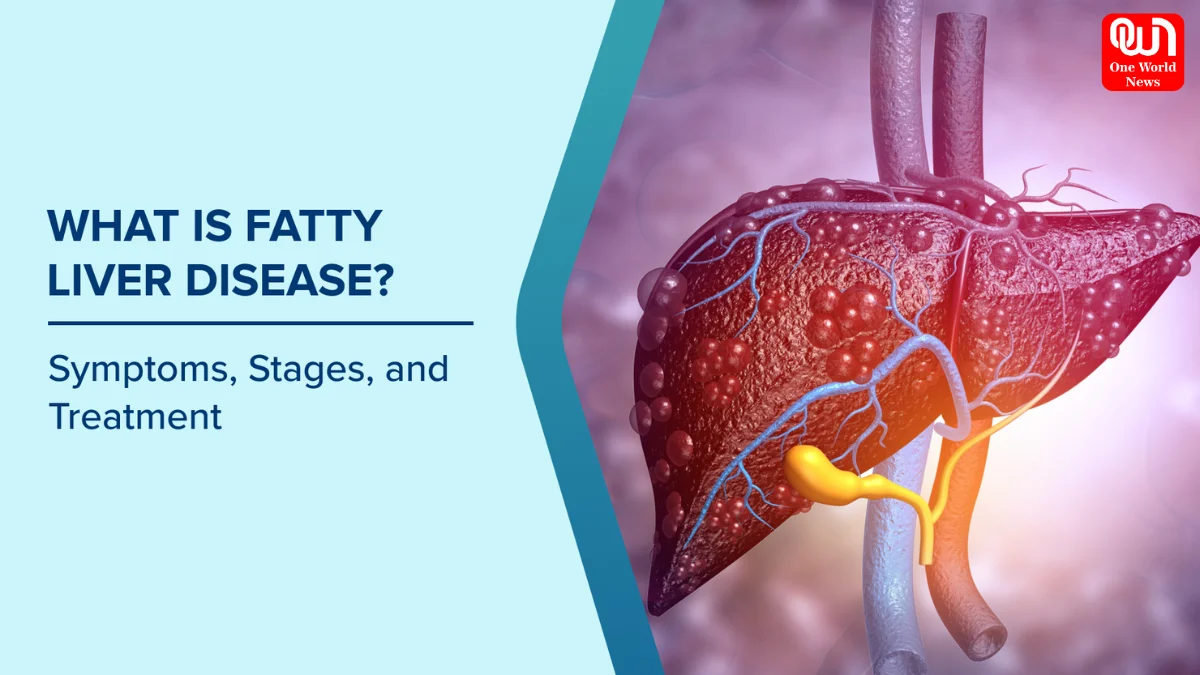
Can Fatty Liver Come Back After Recovery? Causes, Risks & Prevention Tips for Fatty Liver Recurrence
Fatty liver disease has become increasingly common due to modern lifestyle habits, poor diet, and lack of physical activity. The good news is that fatty liver can often be reversed with proper lifestyle changes. However, one important question many people ask is: Can fatty liver come back after recovery?
The short answer is yes, fatty liver can return, especially if the underlying causes are not addressed permanently. Let’s explore why this happens and how you can prevent it.
Understanding Fatty Liver Recovery
Fatty liver, particularly non-alcoholic fatty liver disease (NAFLD), occurs when excess fat accumulates in liver cells. Recovery usually involves:
- Weight loss
- Healthy diet
- Regular exercise
- Controlling blood sugar and cholesterol
When these changes are followed consistently, liver fat reduces, and liver function improves. In many cases, the liver can return to normal or near-normal condition.
Read more: World Brain Tumor Day 2026 – Awareness, Importance, and Global Impact
Why Fatty Liver Can Come Back
Even after successful recovery, fatty liver can recur. This is mainly because the condition is strongly linked to lifestyle habits. If old habits return, so can the disease.
1. Return to Unhealthy Eating Habits
A diet high in sugar, refined carbs, and unhealthy fats can quickly lead to fat buildup in the liver again. Junk food, sugary drinks, and processed snacks are major triggers.
2. Weight Gain
Weight regain is one of the biggest reasons for fatty liver recurrence. Even a small increase in weight can increase liver fat significantly.
3. Lack of Physical Activity
Exercise plays a key role in maintaining liver health. A sedentary lifestyle slows metabolism and promotes fat storage, including in the liver.
4. Poor Metabolic Health
Conditions like:
- Diabetes
- High cholesterol
- Insulin resistance
can cause fatty liver to return if not properly managed.
5. Alcohol Consumption
Even moderate alcohol intake can worsen liver health, especially in people who previously had fatty liver.
How Quickly Can Fatty Liver Return?
Fatty liver can return faster than many people expect. In some cases, it may redevelop within weeks to months if lifestyle habits worsen significantly. The liver is resilient, but it is also sensitive to metabolic changes.
Signs That Fatty Liver May Be Returning
Fatty liver often has no obvious symptoms, but some warning signs include:
- Fatigue
- Mild discomfort in the upper right abdomen
- Unexplained weight gain
- Elevated liver enzymes (detected via blood tests)
Because symptoms are subtle, regular health checkups are important.
How to Prevent Fatty Liver from Coming Back
The key to preventing recurrence is long-term lifestyle commitment, not short-term fixes.
1. Maintain a Healthy Weight
Aim for gradual, sustainable weight management. Avoid crash diets, as they are not effective long term.
2. Follow a Liver-Friendly Diet
Focus on:
- Fruits and vegetables
- Whole grains
- Lean proteins
- Healthy fats (like nuts and olive oil)
Avoid excess sugar and processed foods.
3. Exercise Regularly
At least 30 minutes of moderate exercise (like walking, cycling, or strength training) most days of the week helps keep liver fat under control.
4. Manage Blood Sugar and Cholesterol
Regular monitoring and proper medical care are essential if you have diabetes or lipid disorders.
5. Limit or Avoid Alcohol
Reducing alcohol intake significantly lowers the risk of liver damage and recurrence.
Read more: World Food Safety Day 2026
Is Fatty Liver Recurrence Dangerous?
If fatty liver returns and is left untreated, it can progress to more serious conditions such as:
- Non-alcoholic steatohepatitis (NASH)
- Liver fibrosis
- Cirrhosis
This is why prevention and early action are critical.
Final Thoughts
Yes, fatty liver can come back after recovery, but it is largely preventable. Recovery is not a one-time achievement—it requires ongoing commitment to healthy living.
Think of fatty liver as a lifestyle-related condition rather than a temporary illness. By maintaining healthy habits consistently, you can not only prevent recurrence but also protect your overall health in the long run.
If you’ve recovered from fatty liver, consider it a second chance to build a healthier lifestyle—one that keeps your liver safe for years to come.
We’re now on WhatsApp. Click to join.
Like this post?
Register at One World News to never miss out on videos, celeb interviews, and best reads.