Grade 2 Fatty Liver: Causes, Symptoms, Diagnosis, and Treatment
Grade 2 Fatty Liver: learn causes, symptoms, diagnosis, and treatment options to manage and reverse moderate fatty liver disease.

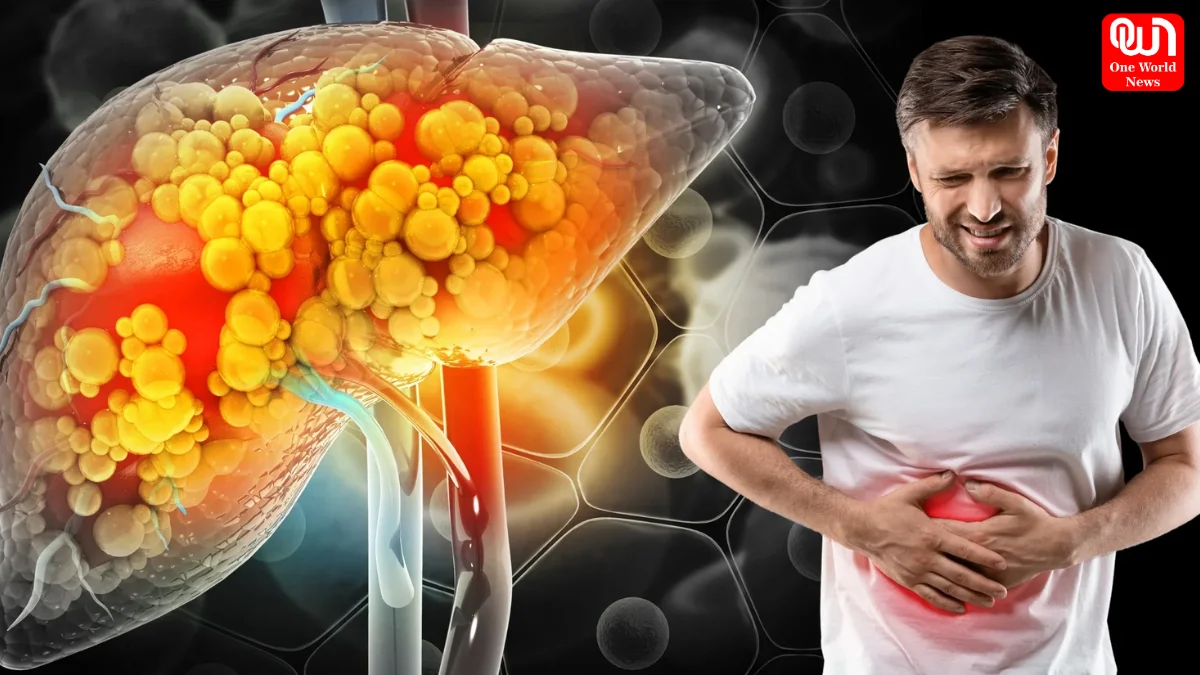
Grade 2 Fatty Liver Explained: Causes, Symptoms, Diagnosis Methods, and Effective Treatment Options
Grade 2 fatty liver, also known as moderate fatty liver disease, is a condition where excess fat accumulates in liver cells beyond normal levels. While mild fatty liver (Grade 1) may not cause noticeable harm, Grade 2 indicates progression and requires medical attention to prevent further complications such as liver inflammation or cirrhosis.
What is Grade 2 Fatty Liver?
Grade 2 fatty liver is characterized by a moderate buildup of fat in liver tissues, visible through imaging tests like ultrasound. At this stage, the liver may start showing signs of stress, although severe damage is usually not yet present. However, if ignored, it can progress to more serious conditions like non-alcoholic steatohepatitis (NASH) or fibrosis.
Causes of Grade 2 Fatty Liver
Several factors contribute to the development of Grade 2 fatty liver. The most common causes include:
1. Poor Diet
A diet high in processed foods, sugars, and unhealthy fats increases fat accumulation in the liver.
2. Obesity
Excess body weight, especially abdominal fat, is strongly linked to fatty liver disease.
3. Insulin Resistance
Conditions like type 2 diabetes reduce the body’s ability to regulate blood sugar, leading to fat storage in the liver.
4. Alcohol Consumption
Even moderate alcohol intake can worsen fatty liver in some individuals.
5. Sedentary Lifestyle
Lack of physical activity slows metabolism and promotes fat buildup.
6. High Cholesterol and Triglycerides
Elevated lipid levels in the blood contribute to fat deposition in liver cells.
Symptoms of Grade 2 Fatty Liver
Grade 2 fatty liver may not always show obvious symptoms, but some individuals experience:
- Persistent fatigue
- Mild discomfort or pain in the upper right abdomen
- Weakness
- Slight weight gain or difficulty losing weight
- Enlarged liver (in some cases)
Since symptoms are often subtle, many people remain unaware of the condition until diagnosed through tests.
Read more: International Tabletop Day 2026
Diagnosis of Grade 2 Fatty Liver
Early diagnosis is crucial to prevent progression. Common diagnostic methods include:
1. Ultrasound
The most widely used imaging technique to detect fatty infiltration in the liver.
2. Blood Tests
Liver function tests (LFTs) help evaluate enzyme levels and liver health.
3. CT Scan or MRI
Advanced imaging methods provide more detailed information about fat accumulation.
4. FibroScan
Measures liver stiffness and helps assess the risk of fibrosis.
5. Liver Biopsy (Rare)
Used in severe or unclear cases to confirm diagnosis and assess damage.
Treatment of Grade 2 Fatty Liver
There is no single medication specifically approved for Grade 2 fatty liver, but the condition can often be reversed with lifestyle changes and proper management.
1. Weight Loss
Losing 5–10% of body weight can significantly reduce liver fat.
2. Healthy Diet
Focus on:
- Fruits and vegetables
- Whole grains
- Lean protein
- Healthy fats (like nuts and olive oil)
Avoid sugary drinks, fried foods, and processed snacks.
3. Regular Exercise
At least 30 minutes of moderate exercise (like walking or cycling) most days of the week.
4. Control Blood Sugar
Managing diabetes and insulin resistance is essential.
5. Reduce Alcohol Intake
Limiting or completely avoiding alcohol helps prevent further liver damage.
6. Medications (if needed)
Doctors may prescribe medications to control cholesterol, diabetes, or inflammation.
Prevention Tips
Preventing Grade 2 fatty liver is possible with simple lifestyle habits:
- Maintain a healthy weight
- Eat a balanced diet
- Exercise regularly
- Avoid excessive alcohol
- Monitor cholesterol and blood sugar levels
Read more: Can Men Get an Infection from Sex During Period?
Conclusion
Grade 2 fatty liver is a warning sign that the liver is under stress due to fat accumulation. While it is a reversible condition, ignoring it can lead to serious liver diseases. Early diagnosis, lifestyle modifications, and consistent medical guidance play a key role in managing and reversing the condition.
If you suspect symptoms or have risk factors, it is important to consult a healthcare professional for proper evaluation and treatment.
We’re now on WhatsApp. Click to join.
Like this post?
Register at One World News to never miss out on videos, celeb interviews, and best reads.