Pedro Pascal Chanel Ambassador Signals a New Era in Luxury Fashion
Pedro Pascal Chanel Ambassador marks a shift in luxury fashion, highlighting inclusivity, male representation, and modern brand storytelling.

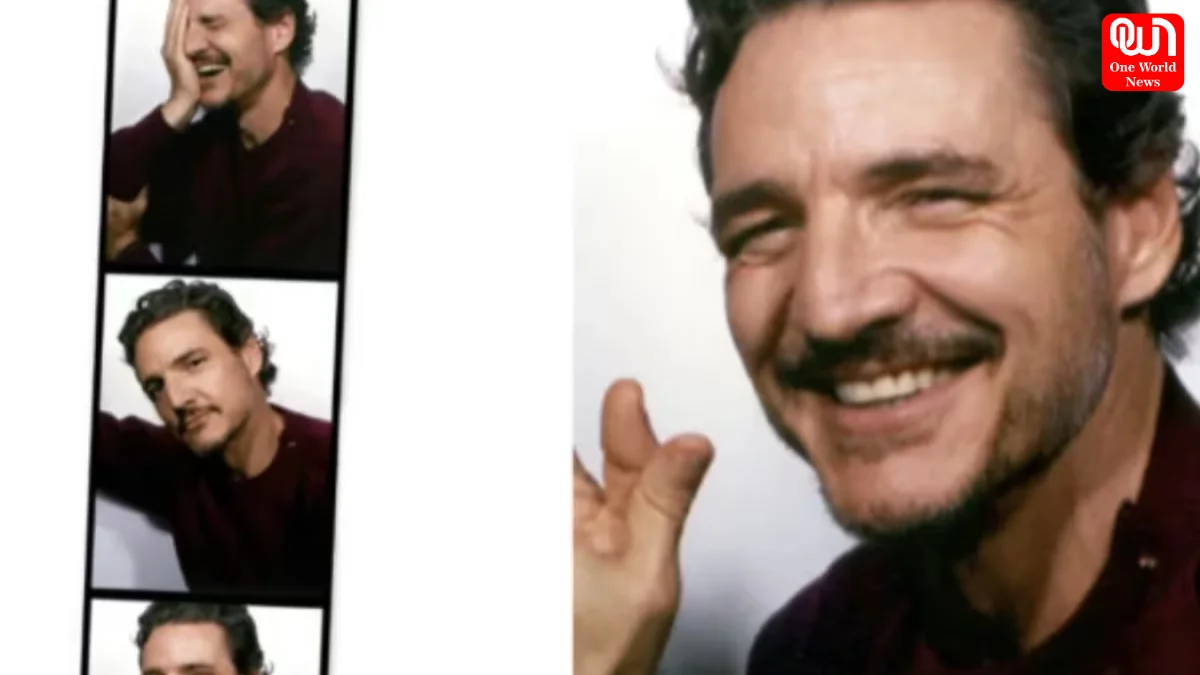
Pedro Pascal Chanel Ambassador: How His Appointment Signals a Major Shift in Luxury Fashion and Gender-Fluid Style
The announcement of Pedro Pascal as the newest ambassador for Chanel is more than just another celebrity endorsement—it represents a deeper transformation within the luxury fashion industry. This strategic move reflects changing consumer values, evolving gender norms, and a broader push toward inclusivity and cultural relevance.
According to recent reports, Chanel officially named Pascal as a house ambassador in April 2026 after a series of appearances that aligned him closely with the brand’s identity. His presence at major events, including the Oscars and Paris Fashion Week, signaled a growing relationship that has now been formalized into a global partnership.
A Strategic Shift Toward Male Representation
Historically, Chanel has been synonymous with womenswear, built on the legacy of Coco Chanel. However, Pascal’s appointment highlights a significant shift. The brand is increasingly embracing male ambassadors—even without a dedicated menswear line.
This evolution aligns with a broader industry trend where luxury houses are redefining traditional boundaries. By bringing in Pascal, Chanel taps into a demographic that values authenticity, versatility, and modern masculinity. His personal style—often blending classic tailoring with unconventional elements—fits perfectly into Chanel’s updated narrative.
Read more: Namrata Malla Sexy Figure Photos Go Viral in Front-Open Backless Top
The Rise of Gender-Fluid Fashion
One of the most important signals behind the “Pedro Pascal Chanel Ambassador” move is the growing acceptance of gender-fluid fashion. Pascal has become known for his bold and sometimes unconventional fashion choices, including relaxed silhouettes and non-traditional red carpet looks.
Chanel’s decision reflects a deliberate effort to embrace unisex appeal and challenge outdated fashion norms. This is particularly relevant in a time when younger audiences expect brands to stand for inclusivity and self-expression rather than rigid categories.
By aligning with Pascal, Chanel positions itself at the forefront of this cultural shift—showing that luxury can be both timeless and progressive.
Cultural Relevance and Star Power
Pascal’s global popularity also plays a crucial role. Known for major roles in hit series and films, he brings a massive and diverse fan base. His appeal goes beyond fashion—he represents a cultural moment.
Luxury brands today are no longer just selling products; they are selling identity and storytelling. Pascal embodies relatability, charisma, and emotional connection—qualities that resonate strongly with modern consumers.
His association with Chanel enhances the brand’s ability to remain relevant in a competitive market where attention is driven by personality as much as product.
Alignment with Chanel’s New Creative Direction
Another key factor behind this partnership is Chanel’s evolving creative leadership under Matthieu Blazy. His debut collections have emphasized modernity, craftsmanship, and inclusivity, blending heritage with innovation.
Pascal has publicly praised Blazy’s vision, calling it “powerful, elegant, and warm.” This alignment suggests that the collaboration is not just commercial but also creatively driven.
The pairing of a forward-thinking designer and a culturally relevant ambassador signals a cohesive strategy—one that aims to redefine Chanel for a new generation.
Redefining Luxury for the Modern Consumer
The “Pedro Pascal Chanel Ambassador” moment ultimately reflects a broader transformation in luxury fashion. Today’s consumers are looking for brands that represent diversity, authenticity, and inclusivity.
Chanel’s move shows an understanding of these expectations. By choosing an ambassador who defies traditional norms, the brand sends a clear message: luxury is no longer about exclusivity alone—it’s about connection and relevance.
This shift is not limited to Chanel. Across the industry, brands are rethinking their approach to representation, storytelling, and identity. Pascal’s appointment is simply one of the most visible examples of this change.
Read more: Assi OTT Release Date: When and Where To Watch Taapsee Pannu’s Hard-Hitting Courtroom Drama
Conclusion
The appointment of Pedro Pascal as a Chanel ambassador is a defining moment in luxury fashion. It signals a move toward inclusivity, gender-fluid style, and cultural relevance—key elements shaping the future of the industry.
As fashion continues to evolve, partnerships like this will become increasingly important. They not only reflect changing consumer values but also help redefine what luxury means in the modern world.
In this context, the phrase “Pedro Pascal Chanel Ambassador” is more than a headline—it’s a symbol of transformation.
We’re now on WhatsApp. Click to join.
Like this post?
Register at One World News to never miss out on videos, celeb interviews, and best reads.