
Developmental Dysplasia Hip: Causes, Symptoms, Diagnosis, and Treatment Explained
Developmental Dysplasia Hip is a condition where the hip joint forms abnormally in babies. Learn causes, symptoms, diagnosis, and treatment.

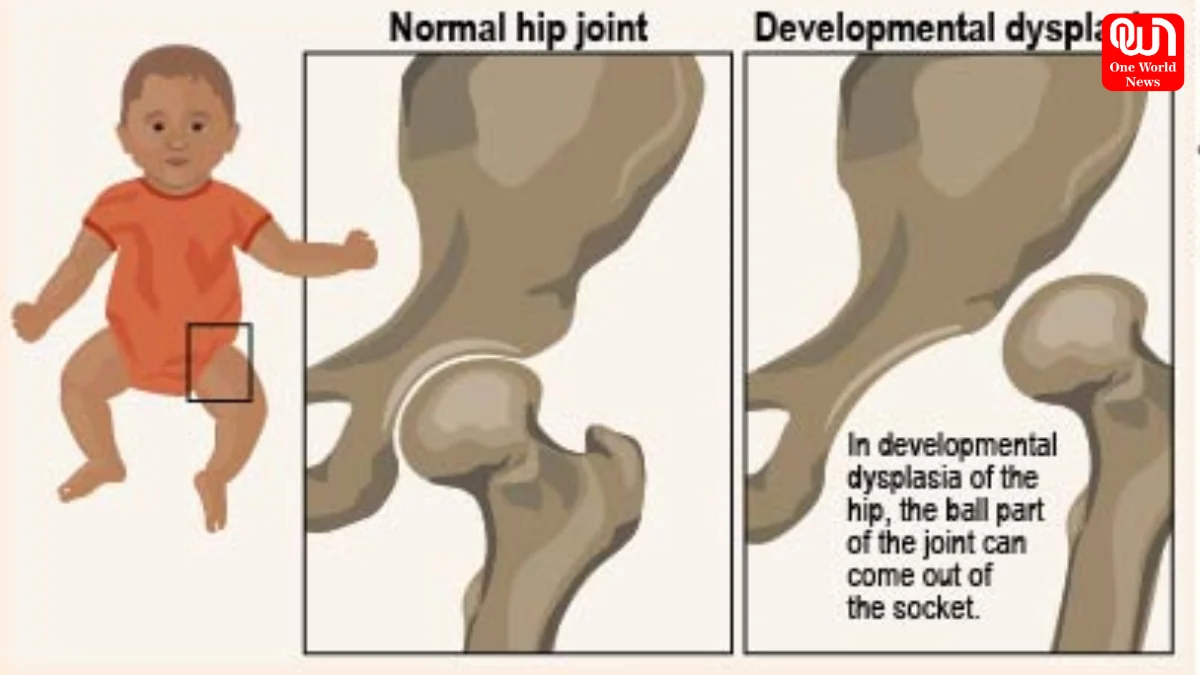
What is Developmental Dysplasia Hip? A Complete Guide to Causes, Symptoms, Diagnosis, and Treatment of Developmental Dysplasia of the Hip
Developmental Dysplasia Hip, medically known as Developmental Dysplasia of the Hip (DDH), is a condition in which the hip joint does not develop properly, most commonly in babies and young children. In a healthy hip, the ball-shaped head of the thigh bone (femur) fits securely into a cup-shaped socket (acetabulum) in the pelvis. However, in this condition, the socket may be too shallow or the ball may not fit correctly, leading to instability or even dislocation.
This condition can range from mild instability to complete dislocation of the hip joint. In some cases, the hip may appear normal at birth but becomes abnormal as the child grows, which is why it is termed “developmental.”
Understanding Developmental Dysplasia Hip
Developmental Dysplasia Hip is considered one of the most common musculoskeletal disorders in infants. It occurs in approximately 1 in 1,000 births, although mild cases may go undiagnosed initially.
The hip joint is a ball-and-socket structure, and proper alignment is essential for smooth movement. When this alignment is disrupted, it can affect mobility, stability, and long-term joint health. If untreated, it may lead to complications such as limping, chronic pain, or early arthritis later in life.
Causes of Developmental Dysplasia Hip
The exact cause of Developmental Dysplasia Hip is not always clear, but several risk factors are associated with its development:
- Genetic factors: Family history increases the risk
- Breech position: Babies positioned feet-first in the womb are more prone
- First-born babies: Due to tighter uterine space
- Gender: More common in females
- Limited space in the womb: Can affect hip positioning
In many cases, the condition develops before or shortly after birth due to improper positioning or joint development.
Symptoms of Developmental Dysplasia Hip
Symptoms vary depending on age and severity. In infants, signs may be subtle and often detected during routine medical examinations. Common symptoms include:
In Babies:
- Uneven leg lengths
- Limited movement in one hip
- Clicking or popping sounds in the hip
- Difficulty spreading legs during diaper changes
In Children and Adults:
- Limping or abnormal walking
- Hip pain or stiffness
- Feeling of instability in the joint
Sometimes, mild cases show no symptoms early and are only diagnosed later in adolescence or adulthood when pain develops.
Diagnosis of Developmental Dysplasia Hip
Early diagnosis is crucial for effective treatment. Doctors typically screen newborns during routine check-ups. Diagnostic methods include:
- Physical examination: Checking hip movement and stability
- Ultrasound: Used in infants to view soft tissues
- X-rays: Used in older children once bones develop
Regular screening ensures that the condition is detected before complications arise.
read more: World Health Day 2026: Theme, Significance, and Global Impact
Treatment of Developmental Dysplasia Hip
Treatment depends on the age of the patient and the severity of the condition. Early treatment is highly effective and often prevents long-term problems.
Common Treatment Options:
- Bracing (Pavlik harness): Keeps the hip in proper position in infants
- Physical therapy: Strengthens muscles and improves flexibility
- Closed reduction: Repositioning the hip joint without surgery
- Surgery: Required in severe or untreated cases
Most infants respond well to non-surgical treatments if diagnosed early, especially within the first six months of life.
Complications if Left Untreated
If Developmental Dysplasia Hip is not treated, it can lead to serious complications, including:
- Chronic hip pain
- Difficulty walking
- Joint instability
- Early-onset osteoarthritis
These complications highlight the importance of early detection and timely treatment.
read more: World Thyroid Day 2026: Raising Awareness for Better Thyroid Health
Conclusion
Developmental Dysplasia Hip is a treatable condition that affects the proper formation of the hip joint, mainly in infants and young children. While it may seem serious, early diagnosis and appropriate treatment can lead to normal hip development and prevent long-term complications. Parents should ensure regular pediatric check-ups so that any signs of hip abnormalities are detected early.
Understanding Developmental Dysplasia Hip is essential for timely care, better outcomes, and ensuring healthy growth and mobility in children.
We’re now on WhatsApp. Click to join.
Like this post?
Register at One World News to never miss out on videos, celeb interviews, and best reads.