Jaipur Pink Elephant Dies: Viral Photoshoot Sparks Serious Animal Safety Concerns
Jaipur Pink Elephant Dies after viral photoshoot, raising concerns about animal safety, ethics, and use of animals in tourism.

Jaipur Pink Elephant Dies After Viral Photoshoot, Igniting Debate on Animal Welfare, Ethics, and Tourism Practices in India
The shocking news that a Jaipur Pink Elephant Dies after a viral photoshoot has triggered a nationwide debate on animal safety, ethics, and the use of animals in creative industries. The incident, which first gained attention through social media, has now evolved into a serious discussion about how animals are treated in tourism and artistic projects.
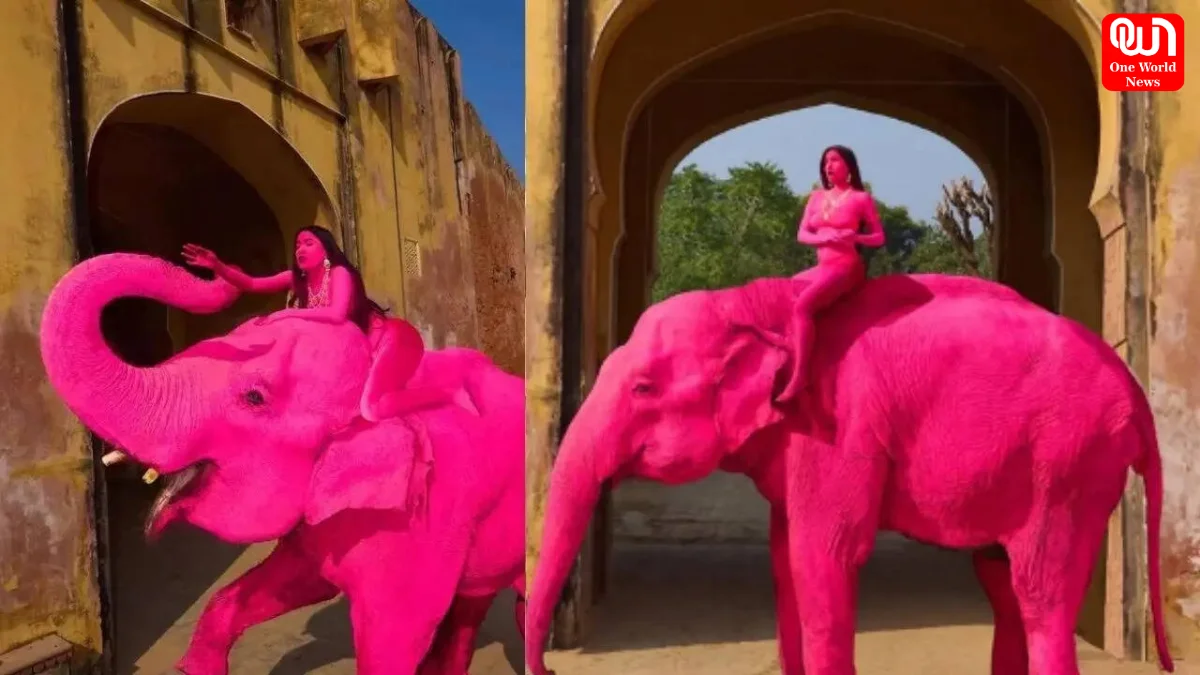
The controversy began when images of a female elephant named Chanchal, painted bright pink for a photoshoot in Jaipur, went viral online. The striking visuals, captured by a foreign photographer, featured a model sitting atop the painted elephant. While some viewers appreciated the artistic expression, many others strongly criticized the act, calling it insensitive and harmful to animal welfare.
The Viral Photoshoot That Sparked Outrage
The photoshoot took place in late 2025 but resurfaced recently, rapidly spreading across social media platforms. The elephant was painted using pink-colored powder, reportedly similar to gulal, commonly used during Indian festivals like Holi. According to the handlers, the paint was applied briefly and washed off within minutes.
However, the visuals of a large animal being artificially colored raised immediate red flags. Animal rights activists and the general public questioned whether such practices were ethical, even if the materials used were claimed to be safe.
Critics argued that animals cannot consent to such activities and may experience stress, discomfort, or long-term harm. The incident quickly became symbolic of a larger issue—the exploitation of animals for aesthetics, tourism, and social media attention.
Jaipur Pink Elephant Dies: What Actually Happened?
The situation escalated further when reports confirmed that the elephant, Chanchal, had died about a month before the controversy went viral. She was estimated to be around 65–70 years old, which is considered an advanced age for elephants.
Handlers and officials clarified that there is no proven link between the photoshoot and the elephant’s death, stating that she likely died of natural causes related to age.
Despite these clarifications, the timing of the news intensified public concern. Many people found it difficult to separate the viral imagery from the elephant’s death, leading to widespread speculation and emotional reactions online.
Animal Welfare Concerns and Public Reaction
The Jaipur Pink Elephant Dies controversy has reignited discussions about animal welfare in India, especially in regions where elephants are used for tourism, ceremonies, and entertainment.
Animal rights organizations, including groups like PETA India, have strongly condemned such practices. They argue that even seemingly harmless acts—like painting an elephant—can contribute to a broader culture of exploitation.
Key concerns raised include:
- Physical health risks: Chemicals or powders may irritate the skin or eyes
- Psychological stress: Unnatural environments and handling can distress animals
- Ethical concerns: Animals are used without consent for human benefit
- Normalization of misuse: Viral content may encourage similar practices
Social media users also played a significant role in amplifying the issue. Many called for stricter laws and accountability, while others demanded a complete ban on using animals for commercial or artistic purposes.
Defence from Handlers and Creators
On the other side, the elephant’s handlers and the photographer defended the photoshoot. They claimed that:
- The color used was organic and non-toxic
- The shoot lasted only a short duration
- The elephant appeared calm and comfortable
- The death occurred months later and was unrelated
Some also highlighted that elephants in Rajasthan have traditionally been decorated during festivals and cultural events, suggesting that the practice is not entirely new.
However, critics argue that tradition should not justify practices that may harm animals, especially in modern times when awareness about animal rights is increasing.
A Larger Debate on Tourism and Ethics
The Jaipur Pink Elephant Dies incident is not just about one elephant—it reflects a deeper issue within wildlife tourism and entertainment industries.
In cities like Jaipur, elephants are often used for rides, weddings, and photoshoots. While these activities generate income for local communities, they also raise ethical questions about the balance between livelihood and animal welfare.
Experts suggest that India needs clearer regulations, better enforcement of existing animal protection laws, and sustainable alternatives—such as eco-tourism or virtual experiences—that do not involve live animals.
Conclusion
The viral case where the Jaipur Pink Elephant Dies has become a powerful reminder of the ethical responsibilities humans have toward animals. Even if the photoshoot did not directly cause the elephant’s death, it has exposed gaps in awareness, regulation, and sensitivity.
Read more: Alia Bhatt Embraces A Bold 90s-Inspired Style Shift With Grunge Glam
As public consciousness grows, such incidents are likely to face stronger backlash. The challenge now lies in finding a balance between cultural practices, artistic freedom, and the fundamental rights of animals to live without exploitation.
Ultimately, the debate is clear: beauty and creativity should never come at the cost of an animal’s dignity or well-being.
We’re now on WhatsApp. Click to join.
Like this post?
Register at One World News to never miss out on videos, celeb interviews, and best reads.