Gustav Klimt: The Golden Visionary Who Redefined Modern Art
Gustav Klimt revolutionized modern art with gold, symbolism, and emotion. Discover how Gustav Klimt created timeless masterpieces like The Kiss

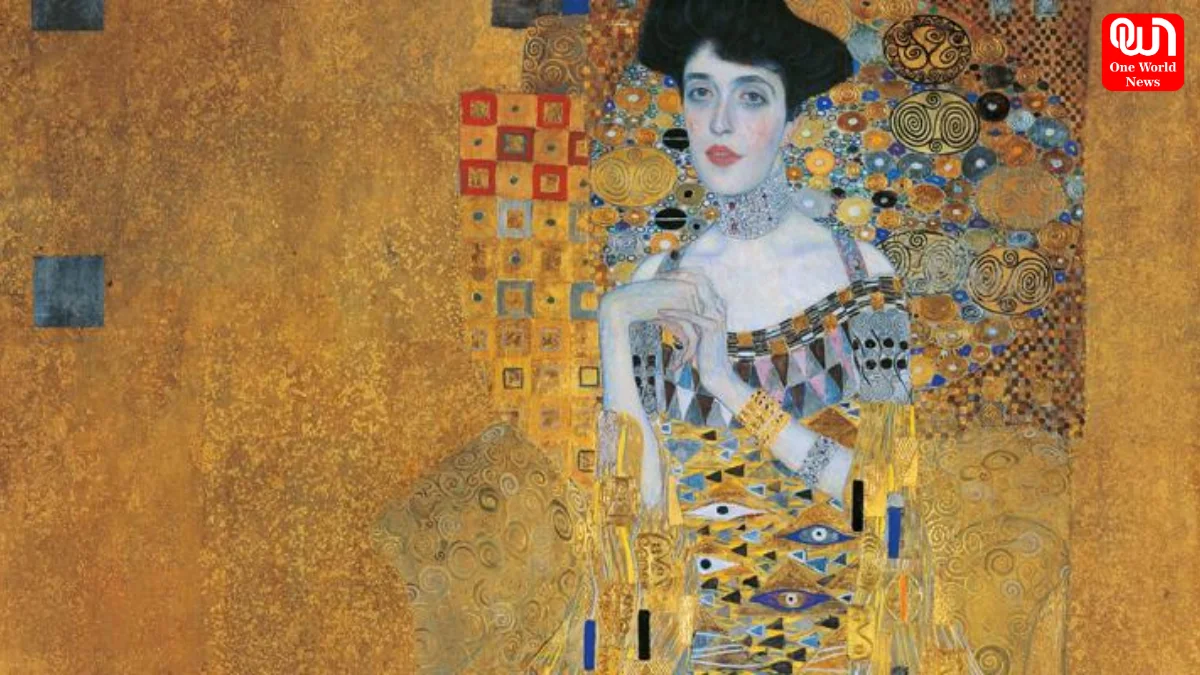
Gustav Klimt – The Austrian Painter Who Turned Gold Into Art and Created Timeless Masterpieces Like The Kiss
As of 2026, the world continues to celebrate artists whose work reshaped the course of creativity. Among them stands Gustav Klimt, an Austrian painter whose golden masterpieces transformed modern art forever. Known for blending symbolism, emotion, and dazzling gold leaf, Gustav Klimt created paintings that still captivate art lovers more than a century later.
Hello, I am Apoorva, and today on One World News – History & Forgotten Legends, we travel back in time to rediscover a man whose brush painted not just art… but emotion, mystery, and eternity. Today’s forgotten legend is Gustav Klimt — the visionary Austrian painter who turned gold into poetry on canvas.
Early Life of Gustav Klimt
Gustav Klimt was born on July 14, 1862, in Vienna, Austria, during a time when the city was becoming a cultural hub of Europe. His father, Ernst Klimt, worked as a gold engraver, and this early exposure to craftsmanship played a major role in shaping the young artist’s future style.
Growing up in a modest household, Gustav Klimt displayed artistic talent from an early age. He later studied at the Vienna School of Arts and Crafts, where he trained in architectural painting and decorative arts. These early experiences helped him master intricate patterns, rich textures, and detailed compositions that would later define his unique artistic identity.
Gustav Klimt and the Vienna Secession
Although Gustav Klimt began his career painting traditional murals and historical scenes, he soon grew frustrated with the conservative expectations of the art establishment. Determined to break free from rigid academic traditions, Klimt became one of the founding members of the Vienna Secession movement in 1897.
The Vienna Secession represented a rebellion against traditional art institutions. Klimt and fellow artists believed that art should evolve with modern society rather than remain trapped in classical forms. Through this movement, Gustav Klimt helped introduce new artistic styles, symbolism, and experimental techniques that reshaped the European art world.
His motto for the movement reflected this spirit: “To every age its art, to every art its freedom.”
The Golden Phase of Gustav Klimt
One of the most remarkable chapters in Gustav Klimt’s career is known as his Golden Phase. During this period, he began incorporating gold leaf into his paintings, creating luminous works that seemed to glow with spiritual and emotional intensity.
Read more: India Weighs Naval Escorts for Tankers & Cargo Ships for Safe Passage Through Hormuz
This distinctive style was inspired partly by Byzantine mosaics that Klimt saw during a visit to Ravenna, Italy. Fascinated by the brilliance of gold in religious art, Gustav Klimt adapted the technique into modern painting, blending decorative patterns with deeply emotional human figures.
The result was a series of extraordinary paintings that combined sensuality, symbolism, and visual splendor.
The Kiss: Gustav Klimt’s Most Famous Masterpiece
Among all of Gustav Klimt’s works, none is more iconic than “The Kiss.” Created between 1907 and 1908, the painting depicts a couple locked in a passionate embrace, surrounded by shimmering gold and intricate patterns.
The artwork captures intimacy, love, and timeless emotion in a way few paintings ever have. The glowing gold background and delicate detailing create a dreamlike atmosphere, making the moment appear suspended in eternity.
Today, The Kiss remains one of the most recognized paintings in the world and is displayed at the Belvedere Museum in Vienna. The masterpiece continues to symbolize romance, artistic brilliance, and the golden legacy of Gustav Klimt.
Controversy and Criticism
Despite his artistic genius, Gustav Klimt’s work was not always accepted during his lifetime. Many critics considered his paintings provocative and controversial. His bold depictions of sensuality, femininity, and human vulnerability shocked conservative audiences of the early 20th century.
Several of his university ceiling paintings were heavily criticized and even rejected for being too radical. Yet Klimt refused to compromise his artistic vision. Instead, he continued exploring themes of desire, life, death, and human emotion through symbolism and decorative beauty.
Over time, the very qualities once criticized became the reasons his art was celebrated.
Read more: Political Roundup: Key Developments Shaping India and Global Politics
The Lasting Legacy of Gustav Klimt
Today, Gustav Klimt is remembered as one of the greatest pioneers of modern art. His work helped bridge the gap between classical painting and modern artistic expression. By combining decorative elegance with emotional storytelling, Klimt created a style that remains instantly recognizable.
His paintings continue to influence artists, designers, and art lovers across the world. Museums, galleries, and collectors still celebrate the brilliance of Gustav Klimt’s golden imagination.
He transformed canvas into emotion, gold into light, and rebellion into timeless beauty.
And that is why today, on History & Forgotten Legends, we remember the golden genius — Gustav Klimt.
We’re now on WhatsApp. Click to join.
Like this post?
Register at One World News to never miss out on videos, celeb interviews, and best reads.