Geronimo: The Fearless Apache Leader Who Defied Empires
Geronimo, the legendary Apache warrior, became a symbol of indigenous resistance and courage while defending his people and land.

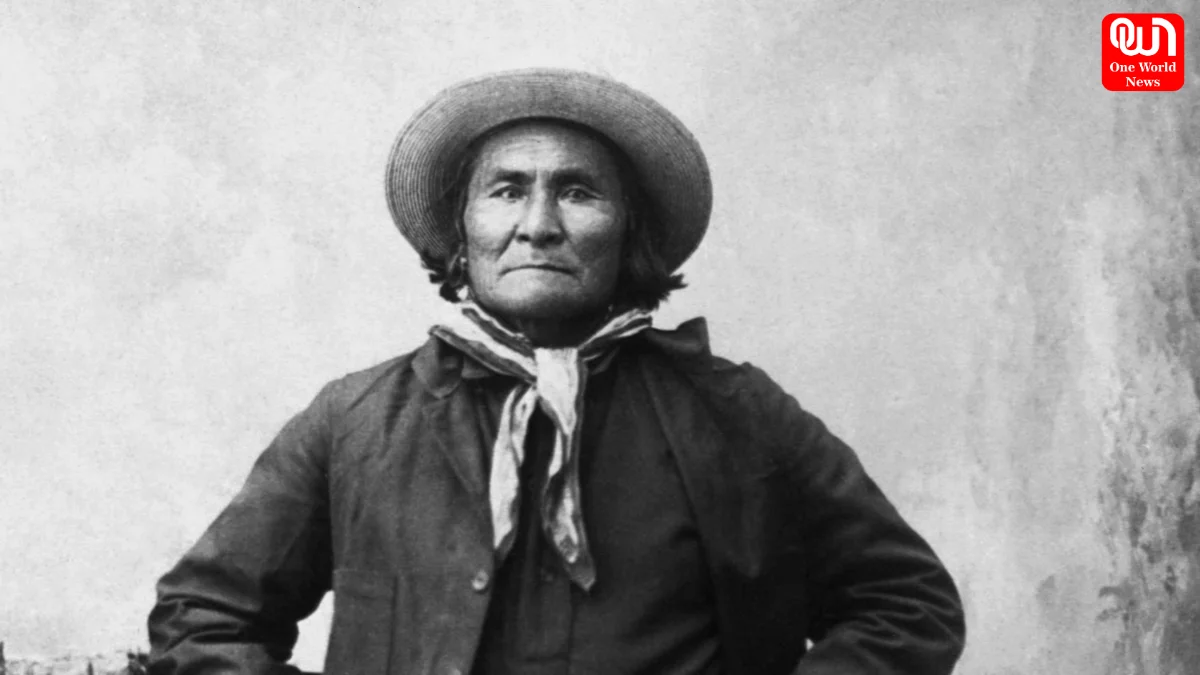
Geronimo: The Legendary Apache Warrior Who Became a Symbol of Indigenous Resistance and Courage
On March 9, 2026, we remember the powerful legacy of Geronimo, the legendary Apache leader whose courage and resilience turned him into one of the most iconic figures in the history of indigenous resistance. His story is not just about battles fought in deserts and mountains — it is about identity, survival, and the enduring struggle for freedom.
Born in 1829 in what is now the state of Arizona, Geronimo belonged to the Bedonkohe band of the Apache people. His birth name was Goyaałé, which roughly translates to “the one who yawns.” At the time, the region was part of Mexico, and the Apache tribes lived across vast territories stretching through modern-day Arizona, New Mexico, and northern Mexico.
Geronimo’s early life was relatively peaceful. Like many young Apache men, he grew up learning the traditions of his people — hunting, farming, and protecting the land that sustained his community. But his life changed forever after a devastating tragedy.
Read more: Political Roundup: Key Political Developments Making Headlines Today
The Tragedy That Changed His Life
In 1858, Mexican soldiers attacked an Apache camp while many of the men were away trading. During this brutal assault, Geronimo lost his wife, children, and mother. The loss shattered him and transformed his path entirely.
From that moment, Geronimo dedicated his life to resisting those he believed responsible for the suffering of his people. What began as a personal quest for justice soon evolved into a broader struggle against encroachment on Apache land.
This turning point marked the beginning of a legend.
The Rise of a Fearless Warrior
Geronimo quickly became known for his courage and tactical brilliance. He led daring raids and resistance campaigns against Mexican forces and later against the United States military.
What made Geronimo particularly formidable was his deep knowledge of the rugged desert landscapes of the American Southwest. The mountains, canyons, and deserts served as both shelter and strategy. With small groups of fighters, he managed to evade capture for years, often disappearing into terrain that was nearly impossible for outsiders to navigate.
Stories of Geronimo’s daring escapes spread rapidly. His reputation grew among both allies and enemies. To the Apache people, he was a protector of their way of life. To opposing forces, he was a relentless and elusive opponent.
Resistance Against Expanding Powers
During the late 19th century, tensions between Native American tribes and expanding colonial powers intensified. As settlers and military forces pushed westward, many indigenous communities were forced off their ancestral lands.
Geronimo became one of the most recognizable leaders resisting this expansion. Alongside other Apache leaders, he fought to preserve the independence and traditions of his people.
For decades, American and Mexican troops attempted to capture him. Military campaigns involving thousands of soldiers were launched, yet Geronimo and his followers repeatedly evaded them. His ability to survive under constant pursuit turned him into a legendary figure even during his lifetime.
The Final Surrender
Despite his resilience, the relentless pressure of military forces eventually took its toll. In 1886, after years of pursuit and dwindling resources, Geronimo surrendered to U.S. authorities.
His surrender marked the end of major Apache armed resistance in the region. Geronimo and his remaining followers were taken as prisoners of war and relocated far from their homeland.
Even in captivity, however, his story did not fade.
From Prisoner to Symbol
During the later years of his life, Geronimo became a public figure in an unexpected way. He appeared at fairs, exhibitions, and public events where people came to see the once-feared warrior whose name had become legendary.
While these appearances were complex and often controversial, they ensured that his story continued to be told. Geronimo eventually became a symbol not only of resistance but also of cultural survival.
Today, historians and indigenous communities remember him as a representation of strength, dignity, and perseverance.
The Legacy of Geronimo
The legacy of Geronimo extends far beyond the battles he fought. His life represents a broader narrative about indigenous identity, resilience, and the struggle to preserve culture and land.
Across generations, his story has been retold in books, documentaries, and historical discussions. For many Native American communities, he remains a reminder of the courage required to defend heritage and autonomy.
Read more: Gold and Silver Prices Today: MCX and Global Bullion Market Update
Geronimo’s name has become synonymous with bravery and defiance. Yet his story also invites reflection on the complex history of indigenous peoples and the challenges they faced.
Remembering a Legend
History often moves forward quickly, but certain names endure. Geronimo is one of them.
He was not just a warrior of the Apache people — he was a symbol of resistance against overwhelming odds, a figure whose determination continues to inspire conversations about justice, identity, and freedom.
Legends like Geronimo remind us that courage can echo across generations, ensuring that the stories of those who fought for dignity and survival are never forgotten.
We’re now on WhatsApp. Click to join.
Like this post?
Register at One World News to never miss out on videos, celeb interviews, and best reads.